

What is a Concrete Material Pneumatic Conveyor? What Are Its Design Principles?
HeadPowder, a leading engineering company based in Shandong, China, specializes in the design and manufacturing of advanced pneumatic conveying systems for various industrial applications. This article explores the concept of a concrete material pneumatic conveyor and delves into its fundamental design principles, providing a comprehensive understanding of this essential equipment in material handling.
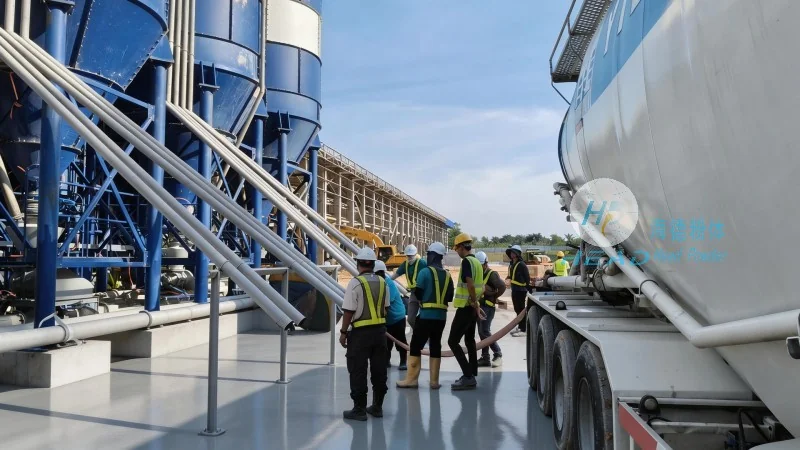
Understanding Concrete Material Pneumatic Conveyors
A concrete material pneumatic conveyor is a type of equipment used to transport bulk materials, such as concrete mixtures, powders, and granules, through a pipeline using air pressure or suction. Unlike traditional mechanical conveyors, which rely on mechanical components like belts or screws, pneumatic conveyors utilize the force of air to move materials, offering advantages like flexibility, low maintenance, and the ability to handle a wide range of materials, including those that are dusty or have high moisture content.
Key Components of a Concrete Material Pneumatic Conveyor
The design of a concrete material pneumatic conveyor involves several critical components that work together to ensure efficient material transport. These components include:
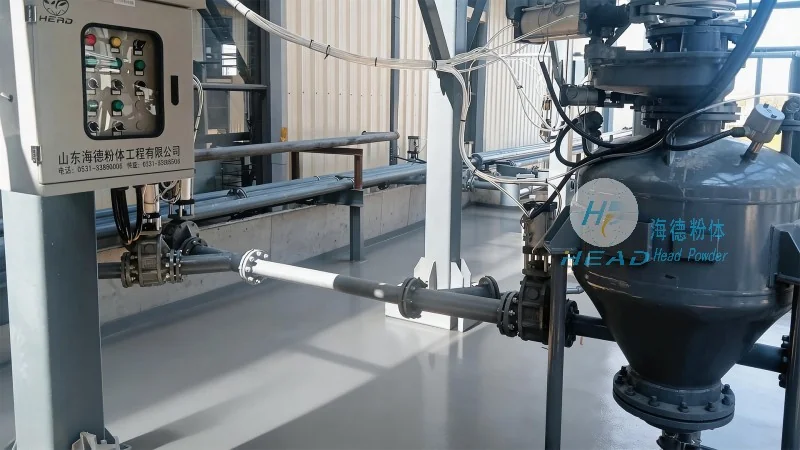
- Feeder: The feeder is responsible for introducing the concrete material into the conveying system. It can be a rotary valve, a screw feeder, or a hopper with a discharge valve, depending on the material characteristics and flow rate requirements.
- Conveying Line: The conveying line is the main pipeline through which the material and air travel. It is typically made of stainless steel or other corrosion-resistant materials to withstand the abrasive nature of concrete and prevent clogging.
- Air Supply System: This system generates the necessary air pressure or vacuum to move the material. It includes a blower or vacuum pump, air filters, and pressure regulators to ensure consistent and efficient air flow.
- Control System: The control system monitors and regulates the operation of the conveyor, including the air pressure, material flow rate, and system pressure. It may include sensors, valves, and a control panel to ensure safe and efficient operation.
- Receiver: The receiver is the end of the conveying line where the material is deposited. It is typically a hopper or silo designed to collect the conveyed material and prevent spillage.
Design Principles for Concrete Material Pneumatic Conveyors
The design of a concrete material pneumatic conveyor is based on several key principles to ensure optimal performance and efficiency. These principles include:
- Material Characteristics: The design must consider the specific properties of the concrete material, such as particle size, density, moisture content, and abrasiveness. These factors influence the choice of feeder, conveying line diameter, and air velocity required for effective transport.
- Air Velocity and Pressure: The air velocity and pressure are critical parameters that determine the conveying capacity and efficiency. The air velocity must be high enough to lift and transport the material but not so high as to cause excessive wear on the conveying line or excessive energy consumption.
- System Sizing: The conveying line diameter and length are determined based on the required flow rate and the material's properties. Proper sizing ensures that the system operates within its optimal range, minimizing pressure drop and energy consumption.
- Material Handling Efficiency: The design aims to minimize material degradation, such as caking or segregation, and reduce the risk of blockages or system failures. This is achieved through proper air distribution, smooth pipeline design, and regular maintenance.
- Energy Efficiency: Modern concrete material pneumatic conveyors are designed to be energy-efficient, using advanced blower technology and optimized system designs to reduce operational costs.
Applications of Concrete Material Pneumatic Conveyors
Concrete material pneumatic conveyors are widely used in various industries, including construction, cement production, and concrete mixing plants. They are particularly useful in applications where traditional conveyors are not suitable, such as transporting materials over long distances, through complex layouts, or in environments with limited space.
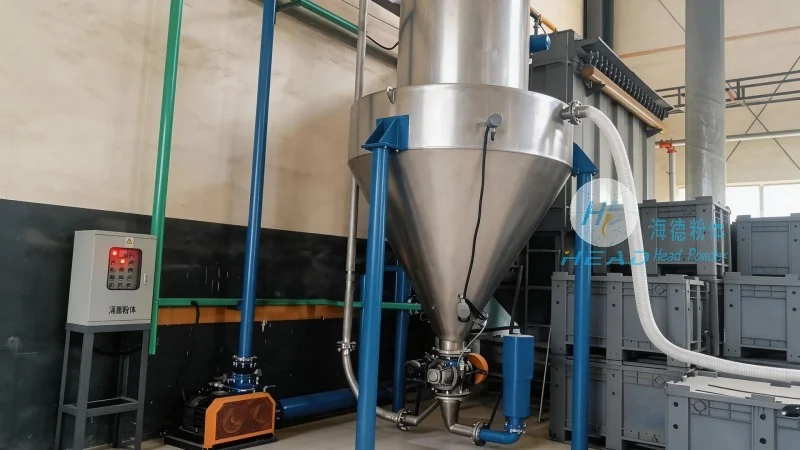
In construction projects, these conveyors are used to transport concrete mixtures from the mixing plant to the construction site, reducing the need for manual handling and improving safety. In cement production, they are used to transport raw materials and finished products between different stages of the production process. In concrete mixing plants, they are used to transport raw materials like sand, gravel, and cement to the mixing equipment, ensuring a consistent and efficient production process.
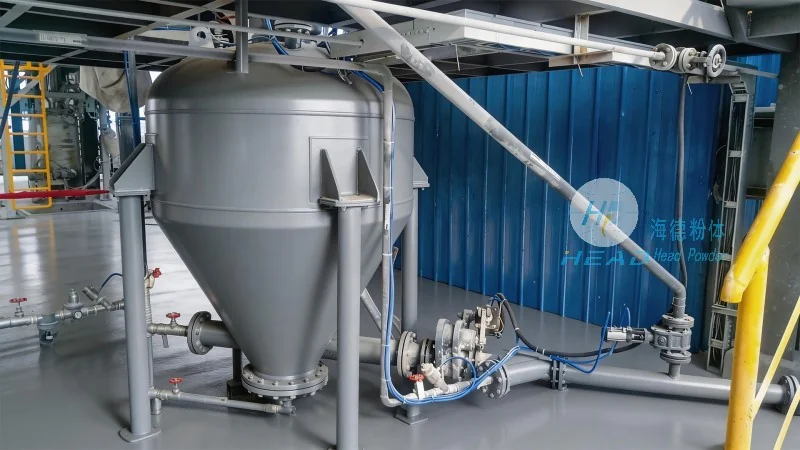
Advantages of Using Concrete Material Pneumatic Conveyors
Compared to traditional mechanical conveyors, concrete material pneumatic conveyors offer several advantages that make them a preferred choice for many industrial applications:
- Flexibility: Pneumatic conveyors can be easily reconfigured to accommodate changes in material flow or layout, making them suitable for dynamic industrial environments.
- Low Maintenance: With fewer moving parts compared to mechanical conveyors, pneumatic conveyors require less maintenance and have a longer service life.
- Reduced Downtime: The absence of mechanical components reduces the risk of breakdowns and minimizes downtime, improving overall operational efficiency.
- Improved Safety: Pneumatic conveyors eliminate the need for manual handling of materials, reducing the risk of accidents and improving workplace safety.
- Energy Efficiency: Advanced designs and technologies have made pneumatic conveyors more energy-efficient, reducing operational costs and environmental impact.
Conclusion
Concrete material pneumatic conveyors are essential equipment in modern industrial operations, providing efficient and reliable transport of bulk materials. The design principles and components of these systems are carefully engineered to ensure optimal performance, energy efficiency, and safety. As a leading provider of engineering solutions, HeadPowder continues to innovate and develop advanced pneumatic conveying systems that meet the evolving needs of the industry.