

Operation Process and Working Principle of Automatic Bulk Bag Feeding Pneumatic Conveying Equipment
HeadPowder, a leading manufacturer based in Shandong, China, specializes in advanced industrial equipment for material handling. The company's flagship product, the automatic bulk bag feeding pneumatic conveying system, is designed to streamline the process of transferring bulk materials from large bags into processing systems efficiently and reliably.
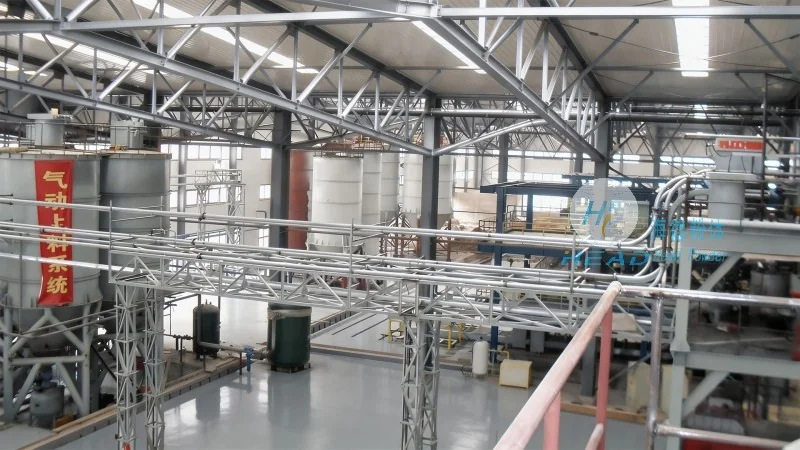
Overview of the Automatic Bulk Bag Feeding Pneumatic Conveying System
This equipment is engineered to automate the material transfer from bulk bags, commonly used in industries such as chemicals, food processing, and pharmaceuticals. The system integrates several key components, including a bulk bag discharger, a pneumatic conveying line, and a control unit, all working in tandem to ensure seamless operation. The primary goal is to reduce manual labor, minimize material loss, and enhance overall production efficiency.
Key Components and Their Functions
The automatic bulk bag feeding system comprises several critical parts, each playing a vital role in the operation. The bulk bag discharger, often equipped with a hopper and a discharge valve, is responsible for opening the bag and allowing the material to flow into the conveying line. The pneumatic conveying line, typically made of stainless steel or other corrosion-resistant materials, transports the material using compressed air. The control unit, which may include sensors and a programmable logic controller (PLC), monitors the process and adjusts parameters as needed to maintain optimal performance.
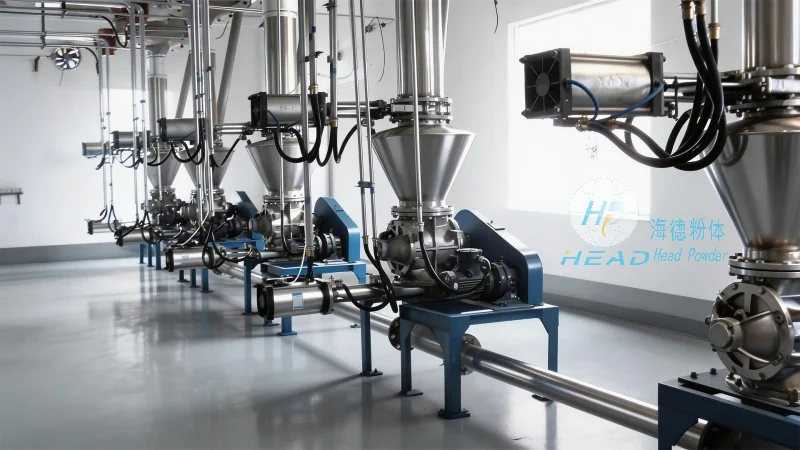
Operation Process: Step-by-Step
The operation of the automatic bulk bag feeding pneumatic conveying system follows a systematic sequence to ensure efficient material transfer. The process begins with the placement of a bulk bag onto the discharger's frame. Once the bag is secured, the system automatically opens the bag's top, allowing the material to fall into the hopper. The control unit then activates the pneumatic conveying line, which uses compressed air to draw the material from the hopper and transport it to the processing equipment. As the material is conveyed, the system continuously monitors the flow rate and pressure, adjusting the air supply to maintain a stable and consistent flow. The process continues until the bulk bag is empty, at which point the system automatically closes the discharge valve and signals the end of the cycle.
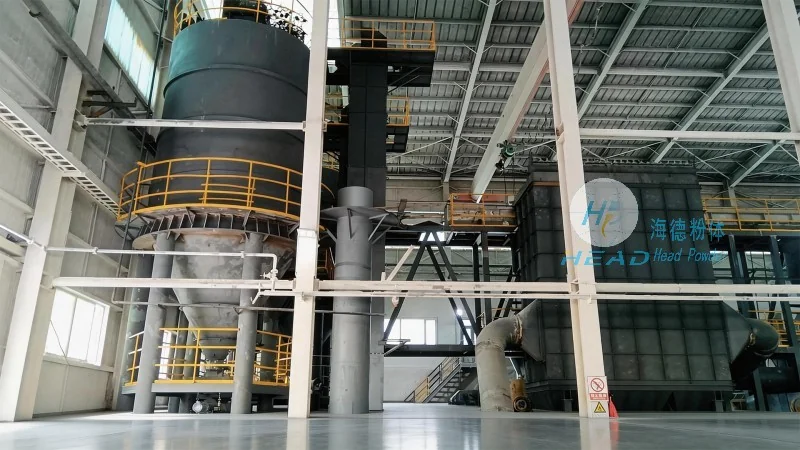
Working Principle: How It Works
The working principle of the automatic bulk bag feeding pneumatic conveying system is based on the principles of pneumatic transport, where material is moved through a pipeline using compressed air. The system operates by creating a pressure differential between the hopper and the processing equipment. Compressed air is introduced into the conveying line, creating a low-pressure zone that draws the material from the hopper into the line. The material is then carried through the pipeline by the air stream, reaching the destination where it is discharged into the processing system. The control unit plays a crucial role in regulating the air pressure and flow rate, ensuring that the material is transported efficiently without clogging or loss.
Benefits and Applications
The automatic bulk bag feeding pneumatic conveying system offers numerous benefits to industrial operations. It significantly reduces the need for manual handling, minimizing the risk of material spillage and contamination. The automated process also increases production efficiency by eliminating downtime associated with manual bag emptying. Additionally, the system can handle a wide range of materials, including powders, granules, and fine particles, making it suitable for various industries. HeadPowder's system is particularly valuable in applications where material purity and consistency are critical, such as in food and pharmaceutical manufacturing.