

Operation Process and Working Principle of Adjustable Weighing Pneumatic Conveying Equipment
Shandong HeadPowder Engineering Co., Ltd. specializes in the design, manufacturing, and application of advanced pneumatic conveying systems, including adjustable weighing models. This article provides a detailed overview of the operation process and working principles of such equipment, highlighting its key components, operational flow, and technical advantages.
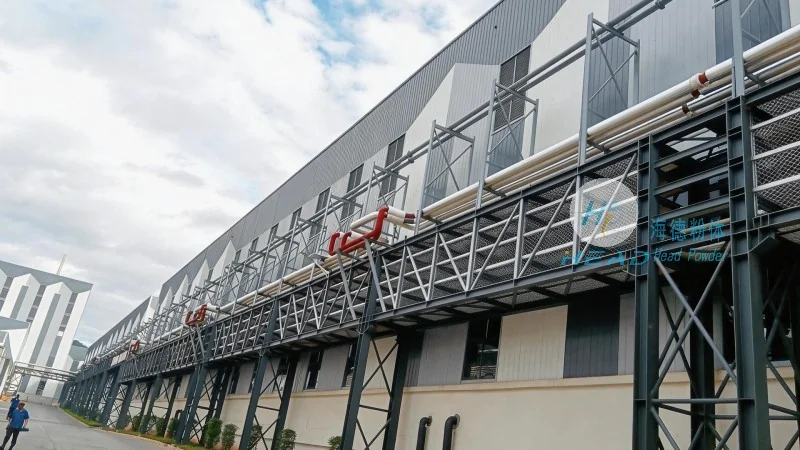
Overview of Adjustable Weighing Pneumatic Conveying Equipment
Adjustable weighing pneumatic conveying equipment is a sophisticated system engineered to transport bulk materials through a pressurized or vacuum air stream while simultaneously measuring the material flow rate. The system integrates pneumatic conveying technology with precise weighing mechanisms, enabling accurate control and monitoring of material transfer in industrial processes. HeadPowder, a leading manufacturer based in Shandong, China, has developed these systems to meet the demanding requirements of various industries, such as food processing, chemical manufacturing, and pharmaceutical production.
Key Components and Their Functions
The core components of an adjustable weighing pneumatic conveying system include the material hopper, air compressor or vacuum pump, conveying pipeline, weighing hopper, control panel, and material discharge outlet. Each component plays a critical role in the overall operation:
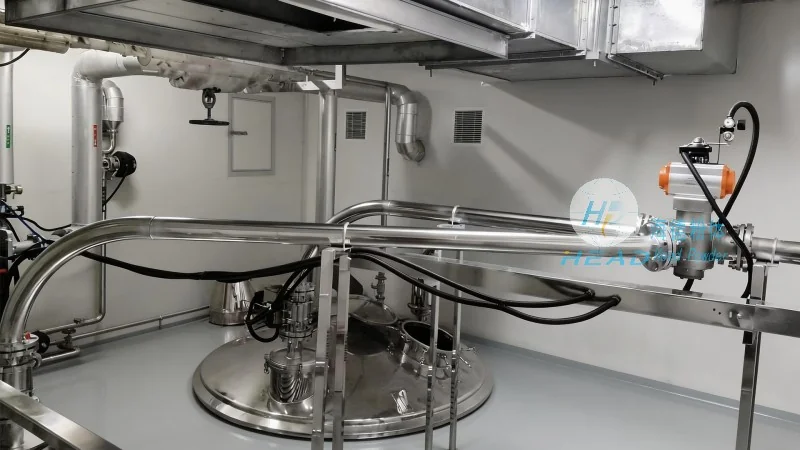
- Material Hopper: Stores the bulk material to be conveyed. It is equipped with a feeder that regulates the material flow into the conveying system, ensuring a consistent feed rate.
- Air Compressor/Vacuum Pump: Provides the necessary air pressure or vacuum to move the material through the pipeline. The system can operate in either positive pressure (air pushing the material) or negative pressure (air pulling the material) modes, depending on the application.
- Conveying Pipeline: Transports the material and air mixture from the hopper to the weighing hopper. The pipeline is typically made of stainless steel to prevent material contamination and corrosion.
- Weighing Hopper: A specialized hopper integrated with load cells or other weighing sensors. It measures the mass of the material being conveyed in real-time, allowing for precise control of the flow rate.
- Control Panel: Houses the electronic control system that monitors and adjusts the conveying parameters. It includes sensors for pressure, flow rate, and weight, as well as a user interface for operators to set and adjust parameters.
- Material Discharge Outlet: The point where the conveyed material is discharged into the receiving container or process line. It is designed to minimize material loss and ensure smooth transfer.
Operation Process: Step-by-Step
The operation of adjustable weighing pneumatic conveying equipment follows a systematic sequence to ensure efficient and accurate material transfer. The process can be broken down into the following stages:
- Material Loading: The bulk material is loaded into the material hopper. The feeder is adjusted to maintain a steady flow rate, preventing overloading or underloading of the system.
- System Initialization: The air compressor or vacuum pump is activated, establishing the required pressure or vacuum in the pipeline. The control panel is set to the desired conveying mode (positive or negative pressure) and flow rate.
- Conveying Start: The feeder starts feeding material into the pipeline, and the air stream transports the material to the weighing hopper. The weighing system begins to record the mass of the material entering the hopper.
- Weighing and Control: As material accumulates in the weighing hopper, the load cells transmit real-time weight data to the control panel. The system continuously adjusts the feeder speed or air pressure to maintain the target flow rate. If the weight deviates from the setpoint, the control system automatically corrects the parameters to ensure accurate measurement.
- Material Discharge: Once the target weight is reached or the conveying cycle is complete, the material is discharged from the weighing hopper into the receiving container. The system then resets and prepares for the next cycle.
Working Principle: How It Works
The working principle of adjustable weighing pneumatic conveying equipment is based on the interaction between the material and the air stream. The system uses either positive pressure (where air is forced through the pipeline) or negative pressure (where air is drawn from the pipeline) to move the material. The key to its functionality lies in the integration of the weighing hopper with the control system:
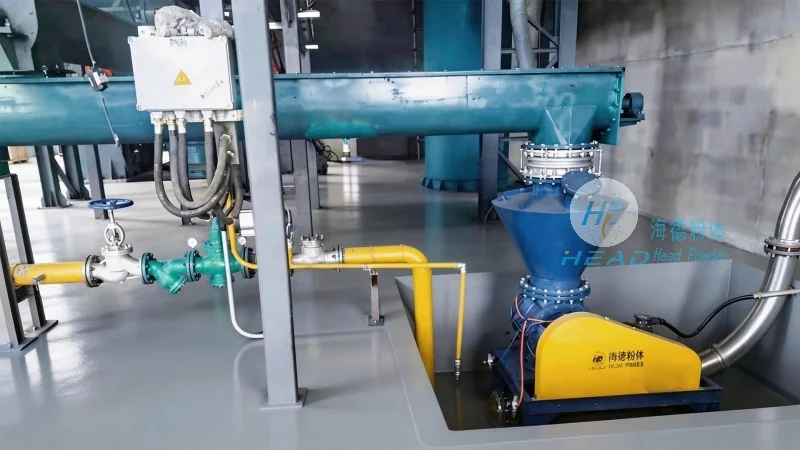
1. Pneumatic Conveying: The air compressor or vacuum pump generates a pressure differential that propels the material particles through the pipeline. The velocity of the air stream is critical; it must be sufficient to lift and transport the material without causing excessive wear or degradation.
2. Weighing Mechanism: The weighing hopper, equipped with load cells, measures the mass of the material as it is conveyed. The load cells convert the mechanical force (weight) into an electrical signal, which is processed by the control panel. This allows for real-time monitoring of the flow rate and ensures that the material is conveyed at the desired rate.
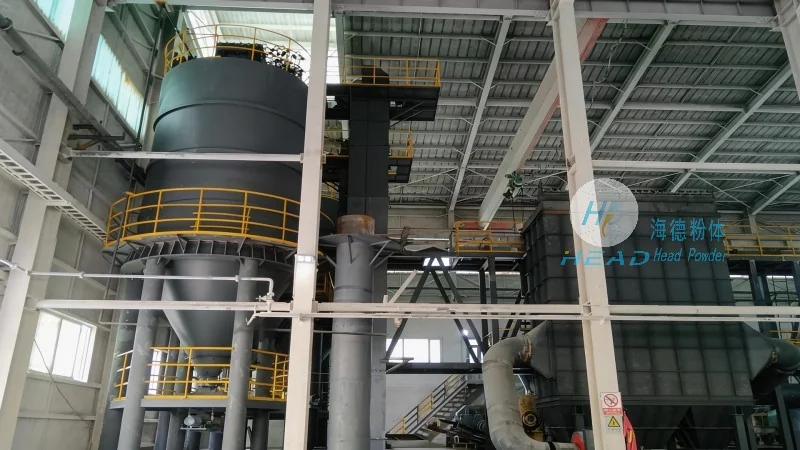
3. Feedback Control: The control panel uses the weight data from the load cells to adjust the feeder speed or air pressure. This feedback loop maintains the target flow rate, preventing over or under-conveying. The system can be programmed to operate in continuous or batch mode, depending on the application requirements.
Technical Advantages and Applications
Adjustable weighing pneumatic conveying equipment offers several advantages over traditional conveying methods, making it suitable for a wide range of industrial applications: