

What is a Desulfurization Sodium Bicarbonate Material Pneumatic Conveyor? And What Are Its Design Pr
For industrial applications involving flue gas desulfurization (FGD) processes, the efficient handling of sodium bicarbonate material is critical. A specialized pneumatic conveyor designed for this purpose is essential to ensure smooth material transport. This article explores the concept of a desulfurization sodium bicarbonate material pneumatic conveyor and delves into its core design principles, highlighting how these systems are engineered to meet the unique demands of this application. The solutions are provided by Shandong HeadPowder Engineering Co., Ltd., a leading manufacturer in the field of industrial material handling equipment.
Understanding the Role of Desulfurization Sodium Bicarbonate Material
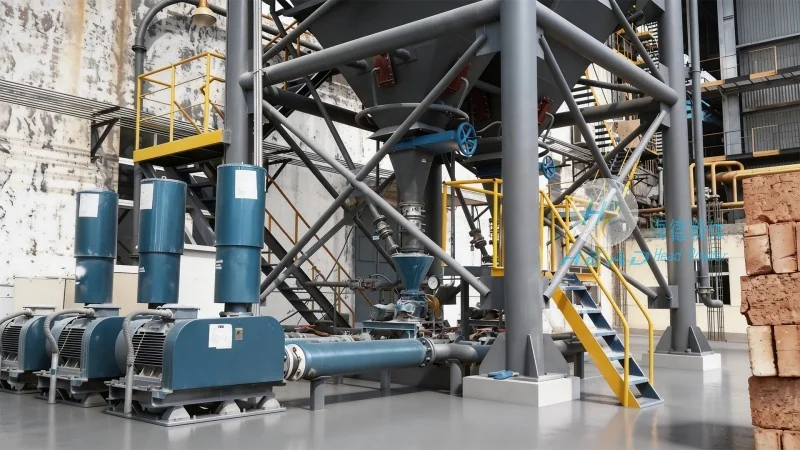
Sodium bicarbonate serves as a key reagent in FGD systems, used to neutralize sulfur dioxide emissions from industrial exhaust. In bulk handling operations, this material requires reliable and efficient transport solutions. The physical properties of sodium bicarbonate, including its particle size distribution, density, and flow characteristics, influence the choice of material handling equipment. A pneumatic conveyor tailored for this application provides a dust-free, enclosed system that minimizes material loss and contamination, ensuring compliance with environmental standards.
Introduction to Pneumatic Conveying Systems
Pneumatic conveying is a method of transporting bulk materials using a gas stream, typically air, to move particles through a pipeline. There are two primary system types: positive pressure and negative pressure. Positive pressure systems employ a blower to generate air pressure that pushes material through the pipeline, while negative pressure systems utilize a vacuum to draw material into the system. The selection of a system type depends on factors such as the distance to be covered, the volume of material to be transported, and the specific characteristics of the material being handled.
Design Principles for Desulfurization Sodium Bicarbonate Material Pneumatic Conveyors
The design of a pneumatic conveyor for desulfurization sodium bicarbonate material involves several key considerations to ensure optimal performance and reliability. These principles are tailored to the unique properties of the material and the operational requirements of the desulfurization process.
System Components and Their Functions
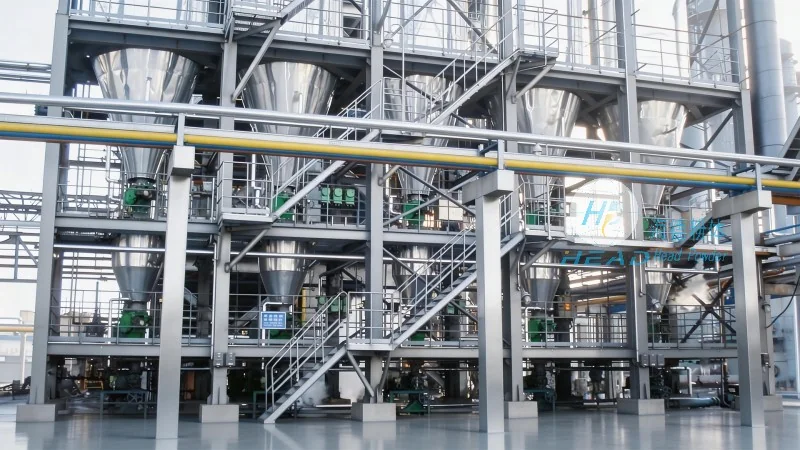
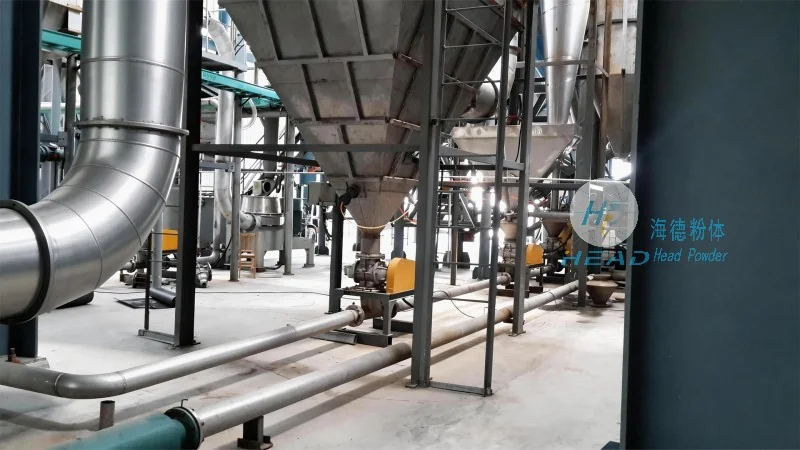
The core components of a pneumatic conveyor include the feeding device, the conveying pipeline, the separation system, and the air source. The feeding device, such as a rotary valve or a hopper with a feeder, ensures a consistent and controlled flow of sodium bicarbonate into the system. The conveying pipeline is typically constructed from materials resistant to corrosion and wear, such as stainless steel or special alloys, to withstand the chemical and mechanical stresses of the material. The separation system, often a cyclone or a bag filter, separates the material from the air stream, allowing the material to be collected at the destination and the air to be discharged or recirculated.
Pressure and Flow Rate Optimization
Pressure and flow rate are critical parameters in pneumatic conveying. The design must determine the appropriate air pressure and volume to achieve the desired material velocity and ensure that the material remains suspended in the air stream. For sodium bicarbonate, which has relatively low bulk density and can be prone to agglomeration, higher air velocities may be required to maintain particle suspension. Engineers must calculate the necessary pressure and flow rate based on the material's particle size, density, and the length of the conveying line.
Material Handling Considerations
The design must account for the potential for sodium bicarbonate to form clumps or agglomerates, which can affect flow and cause blockages. To mitigate this, the system may include features such as vibration feeders or pre-drying steps to improve material flowability. Additionally, the conveyor's components must be designed to minimize wear from abrasive particles, as sodium bicarbonate can be abrasive under certain conditions. This may involve using wear-resistant materials for the pipeline and components, as well as regular maintenance to prevent damage.
Energy Efficiency and Environmental Impact
Modern pneumatic conveyor designs prioritize energy efficiency and environmental considerations. The use of high-efficiency blowers and optimized air flow reduces energy consumption, while the enclosed system minimizes dust emissions and improves workplace safety. The design may also incorporate features such as air recycling or energy recovery systems to further enhance efficiency. These considerations are essential for industries aiming to meet environmental regulations and reduce operational costs.
Conclusion
A desulfurization sodium bicarbonate material pneumatic conveyor is a specialized piece of equipment engineered to handle the unique challenges of transporting this critical material in industrial desulfurization processes. By adhering to the design principles outlined above, manufacturers can develop systems that are efficient, reliable, and tailored to the specific requirements of the application. The integration of advanced materials, optimized flow parameters, and energy-efficient components ensures that these systems provide long-term performance and contribute to the overall effectiveness of the desulfurization process. Shandong HeadPowder Engineering Co., Ltd. continues to innovate in this field, providing high-quality solutions for industrial material handling needs.