

Working Principle and Characteristics of Dry Dust Removal Systems
For industrial operations that involve the processing of powders or particulate materials, effective dust control is crucial for maintaining a safe and efficient working environment. Dry dust removal systems represent a critical technology in this field, offering a non-water-based approach to capturing and removing airborne particles. This article explores the working principle and key characteristics of dry dust removal systems, providing insights into how they function and their advantages in various industrial applications.
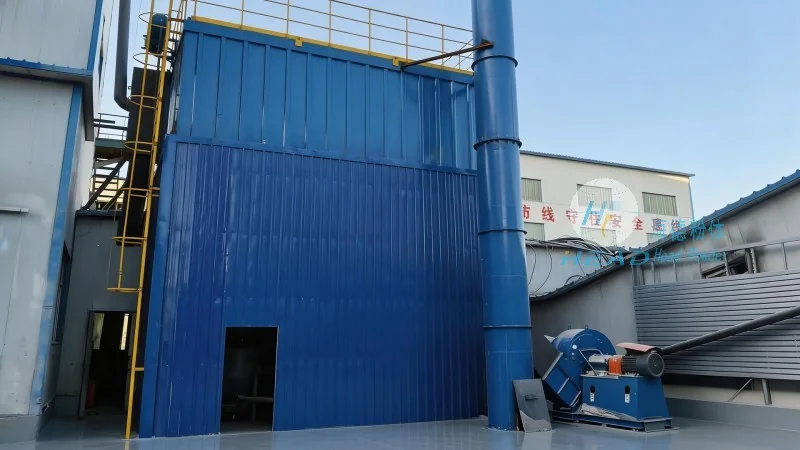
Working Principle of Dry Dust Removal Technology
The core working principle of dry dust removal systems revolves around the use of mechanical or electrostatic methods to separate dust particles from the air stream. Unlike wet dust collection methods that rely on water to trap particles, dry systems utilize filters, cyclones, or electrostatic precipitators to achieve dust capture. In a typical dry dust removal process, the air containing dust particles is drawn into the system. The air then passes through a series of components designed to separate the dust from the air. For example, in a cyclone separator, the air is subjected to centrifugal force, causing the heavier dust particles to be thrown against the walls and collected in a hopper. In electrostatic precipitators, the air passes through an electric field, charging the dust particles, which are then attracted to oppositely charged plates and collected. Filters, such as bag filters or cartridge filters, are also commonly used, where the air passes through a porous medium that traps the dust particles on its surface.
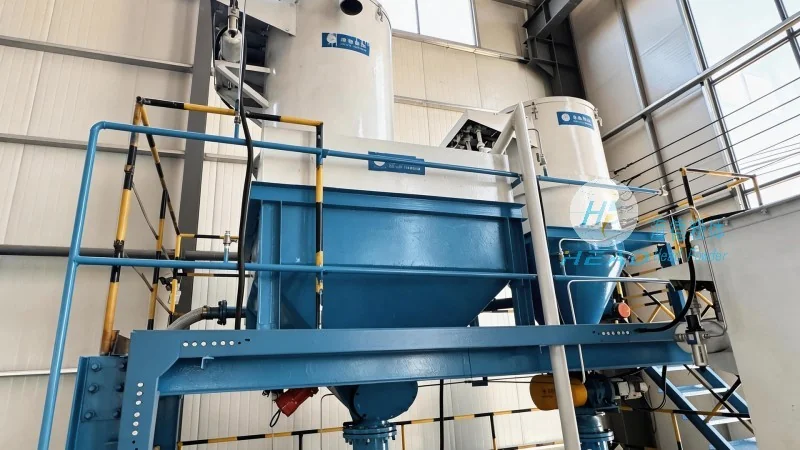
Key Characteristics of Dry Dust Removal Systems
Dry dust removal systems offer several distinct characteristics that make them suitable for a wide range of industrial applications. One of the primary advantages is their ability to handle high-temperature air streams, as they do not rely on water to cool or humidify the air. This makes them ideal for processes that generate hot dust, such as cement production, metal smelting, or biomass combustion. Another key characteristic is their low maintenance requirements compared to wet dust collection systems. Since there is no water involved, there is no need for regular cleaning of water tanks or dealing with sludge disposal. This reduces operational costs and downtime. Additionally, dry systems are more energy-efficient in some cases, as they do not require the energy to heat or treat water. They also provide better air quality control, as they can capture fine particles down to sub-micron levels, which is important for protecting both workers and the environment. The compact design of many dry dust removal systems allows for easier integration into existing industrial facilities, and they often have lower capital costs compared to large-scale wet dust collection systems.
Application Scenarios and Benefits
The application scenarios for dry dust removal systems are diverse and include industries such as mining, construction, pharmaceuticals, and food processing. In mining operations, dry dust removal is used to control dust from rock crushing and grinding processes, protecting workers from respiratory hazards and reducing the risk of dust explosions. In the construction industry, these systems are employed to manage dust from concrete mixing, sandblasting, and other activities, improving air quality on job sites and complying with environmental regulations. The pharmaceutical and food processing industries benefit from dry dust removal systems as they help maintain high standards of cleanliness and prevent contamination from dust particles. The benefits of using dry dust removal systems extend beyond just dust control; they also contribute to improved worker safety, reduced equipment wear due to less dust accumulation, and compliance with environmental regulations. By effectively capturing dust particles, these systems help minimize the impact of industrial operations on the surrounding environment and ensure a healthier working environment for employees.
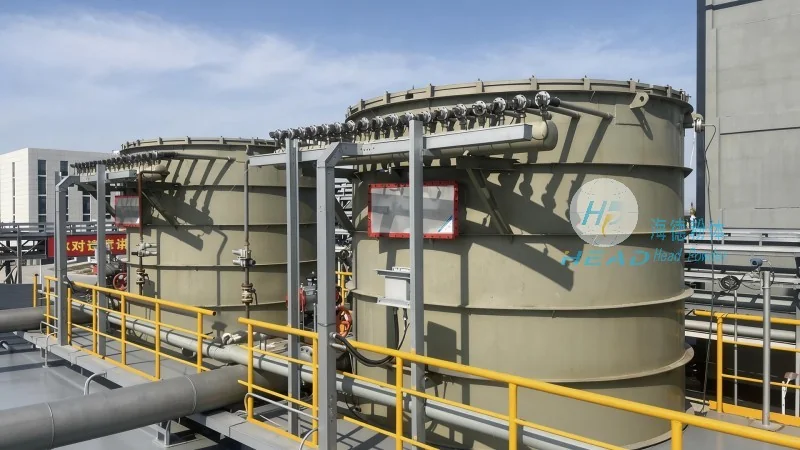
About Shandong HeadPowder Engineering Co., Ltd.
Shandong HeadPowder Engineering Co., Ltd., a leading provider of dust removal solutions, specializes in the design, manufacturing, and installation of dry dust removal systems. With a focus on innovation and customer satisfaction, the company offers tailored solutions to meet the specific needs of various industries. HeadPowder's expertise in dry dust removal technology ensures that their systems are efficient, reliable, and cost-effective. The company's commitment to quality and safety is reflected in their adherence to industry standards and rigorous testing protocols. Located in Shandong, China, HeadPowder leverages its local presence to provide timely support and service to clients across the region. By combining advanced technology with practical application, HeadPowder continues to be a trusted partner for businesses seeking effective dust control solutions.