Understanding the operation process and working principle of cotton seed material handling systems is crucial for optimizing industrial processes in the agricultural and food processing sectors. These systems are designed to efficiently transport, store, and manage cotton seed materials, ensuring smooth workflow and enhanced productivity. The following content provides a detailed overview of the key components, operational steps, and technical principles underlying such systems.
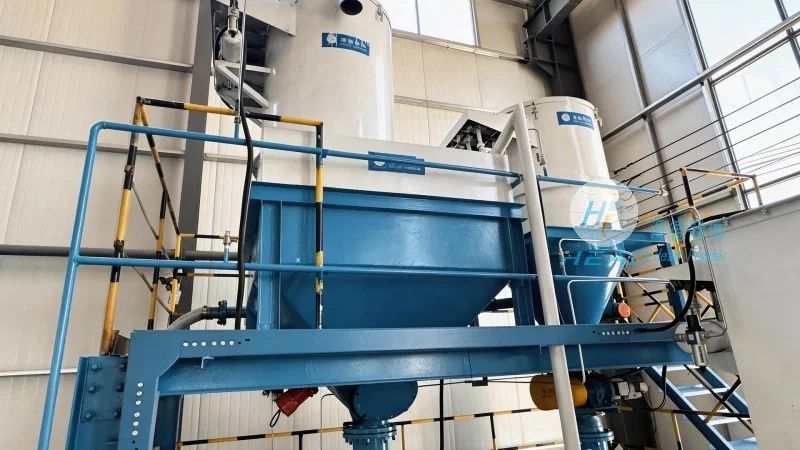
Key Components of Cotton Seed Material Handling Systems
The cotton seed material handling system typically comprises several essential components that work in tandem to facilitate the movement and processing of cotton seed. These components include conveyor belts, hoppers, feeders, elevators, and control panels. Each component plays a specific role in the overall system, contributing to the seamless flow of materials. For instance, hoppers are used to store and feed cotton seeds into the system, while conveyor belts transport the seeds to different processing stages. Feeders regulate the flow rate of cotton seeds, ensuring consistent material input. Elevators, such as bucket elevators or screw conveyors, lift the seeds vertically or horizontally, overcoming elevation changes in the processing line. Control panels monitor and control the system's operations, allowing operators to adjust parameters like speed, pressure, and flow rate as needed.
Operation Process of Cotton Seed Material Handling Systems
The operation process of a cotton seed material handling system involves several sequential steps that ensure the efficient handling of cotton seeds from raw material reception to final processing. The first step is the reception and storage of cotton seeds in hoppers or silos. Once stored, the seeds are fed into the system using feeders, which control the flow rate to match the processing capacity. The seeds then move along conveyor belts to the next processing stage, such as cleaning or sorting. If the system requires vertical movement, elevators are used to lift the seeds to higher levels or different sections of the processing line. After vertical or horizontal transport, the seeds may undergo additional processing, such as drying or grading, before being discharged into storage bins or packaging units. The entire process is monitored by control panels, which provide real-time data on system performance, including flow rates, pressure, and temperature. Operators can adjust the system parameters to optimize performance and ensure the quality of the processed cotton seeds.
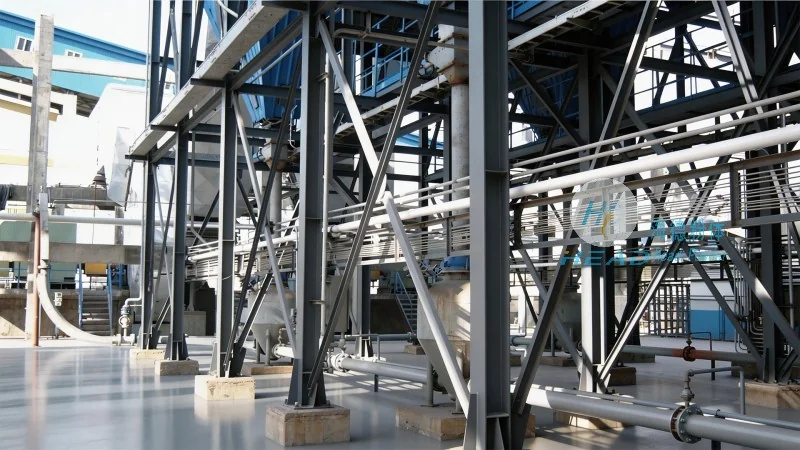
Working Principle of Cotton Seed Material Handling Systems
The working principle of cotton seed material handling systems is based on mechanical and hydraulic forces that facilitate the movement of cotton seeds through the system. The primary mechanism involves the use of conveyor belts, which are driven by motors to move the seeds along a designated path. The speed and tension of the conveyor belts are carefully controlled to ensure smooth and consistent material transport. Hoppers and feeders use gravity or mechanical force to feed cotton seeds into the conveyor system, maintaining a steady flow. Elevators, such as bucket elevators, use rotating buckets to lift cotton seeds vertically, while screw conveyors use rotating screws to move seeds horizontally. The control panels use sensors and feedback mechanisms to adjust the system's operations in real time, ensuring that the system operates within optimal parameters. The entire system is designed to minimize energy consumption and maximize efficiency, making it suitable for large-scale cotton seed processing operations.
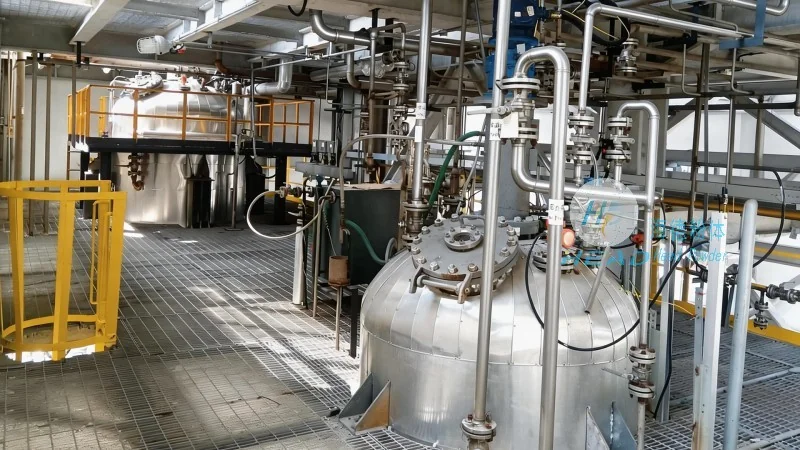
Benefits of Efficient Cotton Seed Material Handling Systems
Efficient cotton seed material handling systems offer several benefits to industrial operations, including improved productivity, reduced labor costs, and enhanced product quality. By automating the material handling process, these systems reduce the need for manual labor, minimizing the risk of human error and increasing operational efficiency. The consistent flow of cotton seeds ensures that processing equipment operates at optimal capacity, reducing downtime and increasing output. Additionally, the precise control of flow rates and speeds helps maintain the quality of cotton seeds, preventing damage or degradation during transport. The use of durable materials and robust components in the system ensures long-term reliability and low maintenance costs, making it a cost-effective solution for cotton seed processing facilities.
Conclusion
In conclusion, cotton seed material handling systems are critical components in the agricultural and food processing industries, enabling efficient and reliable transport of cotton seeds. The operation process and working principle of these systems involve a combination of mechanical and hydraulic components that work together to ensure smooth material flow. By understanding the key components and operational steps, industrial facilities can optimize their cotton seed processing operations, improving productivity and product quality. As a leading provider of cotton seed material handling systems, Shandong HeadPowder Engineering Co., Ltd. specializes in designing and manufacturing high-quality systems tailored to the specific needs of cotton seed processing facilities.




