

What is a Small Bag Unpacking Powder Pneumatic Conveying Machine? And What Are Its Design Principles
HeadPowder, a leading manufacturer of advanced powder handling equipment, specializes in the design and production of small bag unpacking powder pneumatic conveying machines. With a focus on innovation and quality, the company has developed systems that meet the stringent requirements of industries such as pharmaceuticals, food processing, and chemical manufacturing. The company's headquarters is located in Shandong, China, where it operates a state-of-the-art manufacturing facility and research and development center. These machines are designed to efficiently handle the transfer of bulk powders from sealed bags into processing systems, playing a critical role in maintaining product purity and preventing contamination in various industrial applications.
Key Components and Their Functions
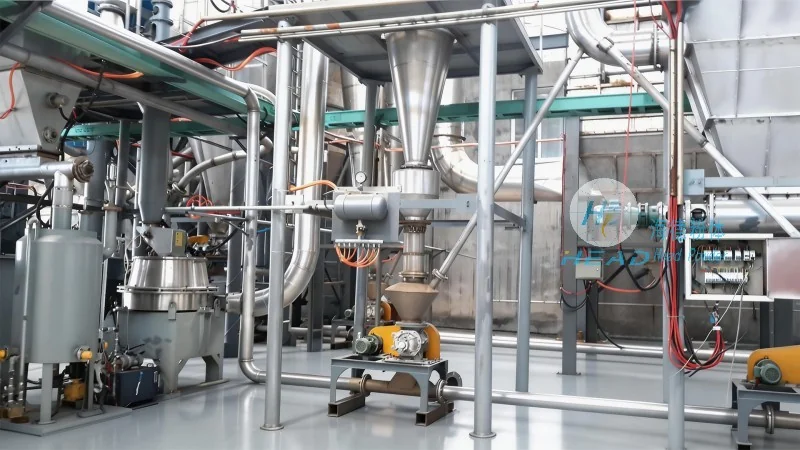
The core components of a small bag unpacking powder pneumatic conveying machine typically include a bag opening mechanism, a hopper or receiving tank, a pneumatic conveying system (often with a blower or compressor), and a control panel. The bag opening mechanism is designed to safely and efficiently open the top of the sealed bag, allowing the powder to flow into the hopper. This may involve cutting or tearing the bag's seal, depending on the design. The hopper serves as a temporary storage container, ensuring a consistent feed of powder to the conveying system. The pneumatic conveying system uses compressed air to create a flow of air and powder particles, transporting the material through a network of pipes to the processing unit. The control panel allows operators to monitor and adjust the system's parameters, such as air pressure and flow rate, to optimize performance and prevent issues like clogging or overloading.
Design Principles and Operational Efficiency
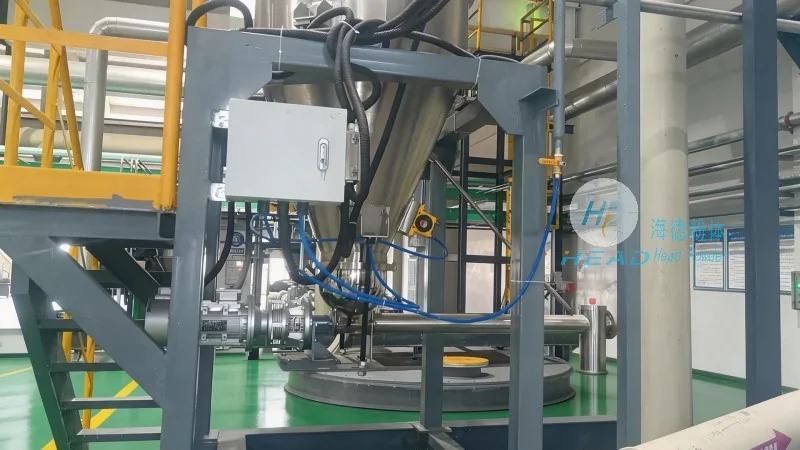
The design of small bag unpacking powder pneumatic conveying machines is guided by several key principles aimed at maximizing efficiency, safety, and product integrity. One of the primary design considerations is the need to maintain a clean and hygienic environment, which is critical in industries like pharmaceuticals and food processing. This is achieved through the use of stainless steel construction, smooth surfaces, and easy-to-clean components. The system is also designed to minimize the risk of cross-contamination by ensuring that the powder is handled in a closed loop, with minimal exposure to the air. Another important design principle is the optimization of the conveying process to reduce energy consumption and operating costs. This is achieved through the use of efficient blower or compressor systems and the selection of appropriate pipe sizes and materials to minimize pressure drop and energy loss. The design also takes into account the specific characteristics of the powder being handled, such as its particle size, density, and flowability, to ensure that the system can handle a wide range of materials effectively.
How the System Works: A Step-by-Step Overview
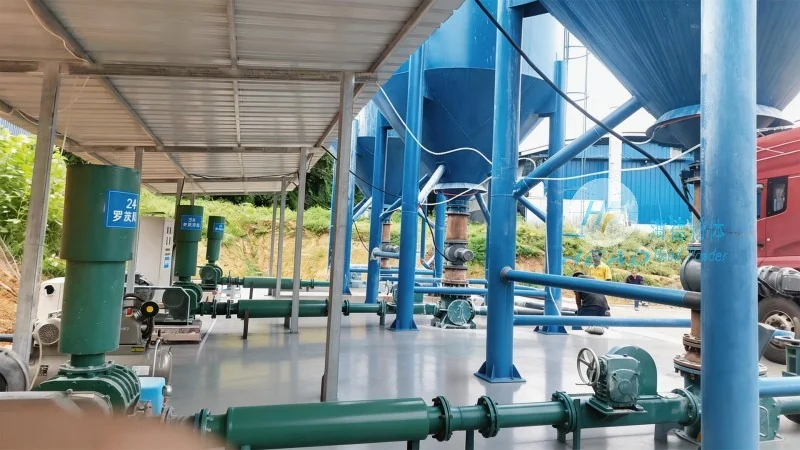
The operation of a small bag unpacking powder pneumatic conveying machine typically involves the following steps: First, the sealed bag is placed into the machine's hopper or receiving area. The bag opening mechanism then activates, cutting or tearing the bag's seal to allow the powder to flow into the hopper. The powder is then transferred to the pneumatic conveying system, where it is mixed with compressed air and transported through the pipes to the processing unit. The control panel monitors the system's performance, adjusting the air pressure and flow rate as needed to maintain a consistent flow of powder. The system is designed to stop automatically if any issues arise, such as a blockage in the pipes or a low level of powder in the hopper, to prevent damage to the equipment or product contamination. The entire process is automated, reducing the need for manual labor and minimizing the risk of human error.
Applications and Benefits in Industrial Settings
Small bag unpacking powder pneumatic conveying machines are widely used in various industrial applications where the handling of bulk powders is required. In the pharmaceutical industry, these machines are used to transfer active pharmaceutical ingredients (APIs) and excipients into processing lines, ensuring that the materials are handled in a sterile and controlled environment. In the food processing industry, they are used to transfer ingredients such as flour, sugar, and spices into production lines, maintaining product quality and safety. In the chemical industry, they are used to transfer raw materials and intermediates into reactors and processing units, improving efficiency and reducing labor costs. The benefits of using these machines include increased productivity, reduced labor costs, improved product quality, and enhanced safety in the workplace. By automating the process of bag unpacking and powder transfer, these machines help to minimize the risk of contamination and ensure that the powder is handled in a consistent and efficient manner.
Conclusion: The Importance of Advanced Powder Handling Solutions
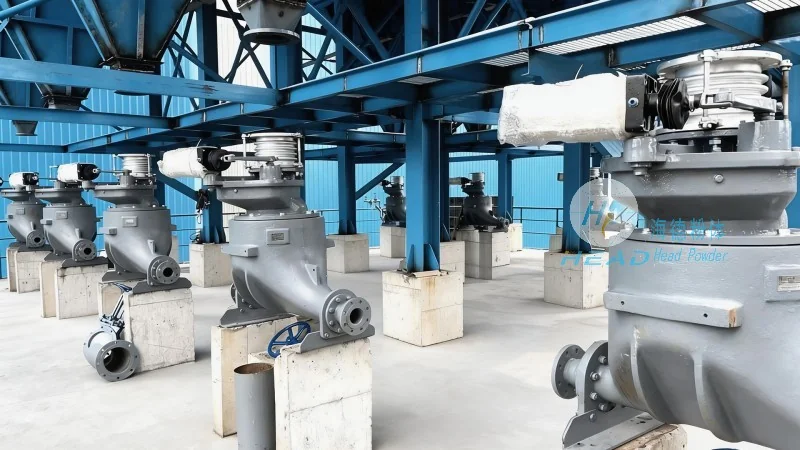
Small bag unpacking powder pneumatic conveying machines represent a significant advancement in the field of powder handling technology. By integrating advanced design principles and automation, these machines provide a reliable and efficient solution for the transfer of bulk powders in various industrial applications. The key to their success lies in their ability to handle a wide range of materials, maintain product purity, and operate with minimal human intervention. As industries continue to demand higher levels of efficiency and safety in their operations, the use of such advanced powder handling solutions will become increasingly important. Companies like Shandong HeadPowder Engineering Co., Ltd. play a crucial role in developing and manufacturing these machines, providing industrial users with the tools they need to meet their production and quality requirements.