Pneumatic conveying is a critical technology in material handling, especially for plastic materials, which require efficient and controlled transport from one location to another. This method involves using air or gas to move bulk materials through a pipeline system. For plastic materials, such as pellets, powders, or granules, pneumatic conveying offers advantages like reduced contamination, lower maintenance, and the ability to handle materials in a closed system, minimizing dust and environmental impact. The design of a pneumatic conveying system for plastic materials is complex and requires careful consideration of several key factors to ensure optimal performance and reliability.
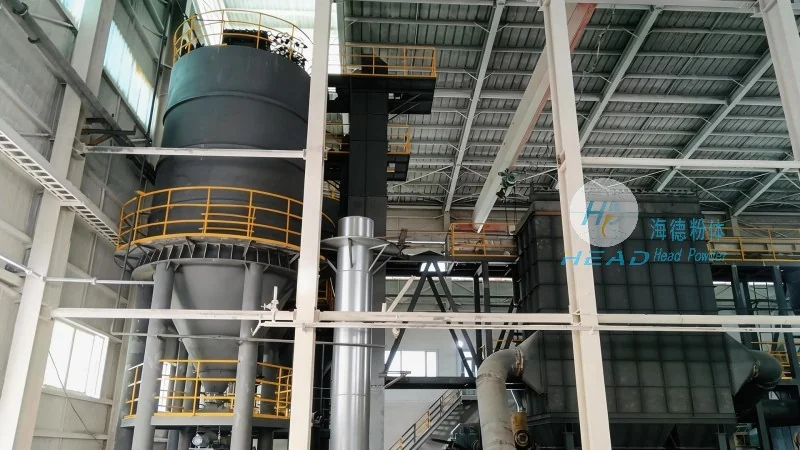
Key Design Principles for Plastic Material Pneumatic Conveying Systems
The design of a pneumatic conveying system for plastic materials must address several fundamental principles to achieve efficient material transport. First, the system must be designed to handle the specific physical properties of plastic materials, including their density, particle size, and flow characteristics. These properties affect how the material behaves in the conveying line, such as whether it will flow freely or require assistance like air pressure or vacuum. Second, the system must ensure proper air flow and pressure management. The air velocity in the pipeline must be sufficient to lift and move the plastic particles without causing excessive wear on the system components or leading to material degradation. This often involves calculating the necessary air volume and pressure based on the material's characteristics and the system's layout. Third, the system design must consider the need for a closed-loop or enclosed system to maintain cleanliness and safety. Plastic materials are often sensitive to contamination, and a closed system prevents exposure to external elements and reduces the risk of dust inhalation or environmental pollution. Fourth, the system must incorporate appropriate equipment for material loading, conveying, and unloading. This includes feeders, cyclones, filters, and discharge devices that are specifically designed for plastic materials to ensure smooth operation and prevent blockages or material loss. Finally, the design must account for energy efficiency and operational costs. Optimizing the air flow and pressure settings reduces energy consumption, while proper maintenance and component selection extend the system's lifespan and lower long-term costs.
Components and Their Roles in Plastic Material Pneumatic Conveying
A pneumatic conveying system for plastic materials consists of several key components, each playing a crucial role in the overall operation. The primary components include the material feed system, the conveying line, the air supply system, and the material discharge system. The material feed system is responsible for introducing the plastic material into the conveying line. This can be done using a variety of feeders, such as rotary valves, screw feeders, or vibratory feeders, which ensure a consistent and controlled flow of material into the system. The conveying line itself is typically made of metal or plastic, depending on the material being handled and the system's requirements. It must be designed to withstand the pressure and temperature conditions of the conveying process and resist corrosion or wear from the plastic particles. The air supply system provides the necessary air or gas to move the material through the line. This can be achieved using a blower or a vacuum pump, which generates the required pressure or vacuum to lift and transport the plastic particles. The air velocity and pressure are critical parameters that must be carefully controlled to ensure efficient conveying without damaging the material or the system components. The material discharge system is responsible for releasing the plastic material from the conveying line at the desired location. This can include cyclones, filters, or discharge hoppers, which separate the material from the air and collect it in a container or storage area. Each component must be selected and sized based on the specific characteristics of the plastic material and the system's operational requirements to ensure reliable and efficient performance.
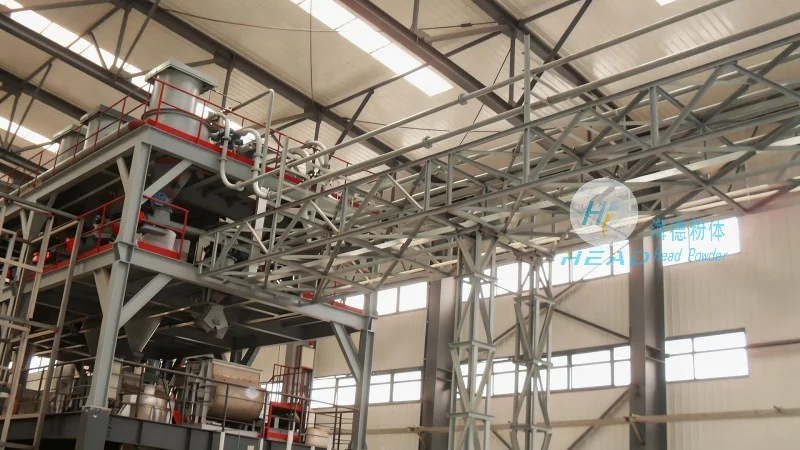
Design Considerations for Different Plastic Materials
Plastic materials vary widely in their properties, and the design of a pneumatic conveying system must be tailored to the specific material being handled. For example, lightweight and low-density plastics like polyethylene or polypropylene may require higher air velocities to maintain lift, while heavier and more abrasive materials like polycarbonate or nylon may need more robust components and higher pressure to ensure effective conveying. The particle size distribution is another critical factor, as fine powders may require different air flow patterns and equipment than larger pellets. Additionally, the moisture content and chemical properties of the plastic material can affect the system's design, as some materials may be sensitive to moisture or require special filtration to prevent clogging or degradation. The system designer must consider all these factors to create a customized solution that meets the specific needs of the application. This may involve conducting tests or simulations to determine the optimal air flow rates, pressure levels, and component sizes for the particular plastic material and conveying conditions.
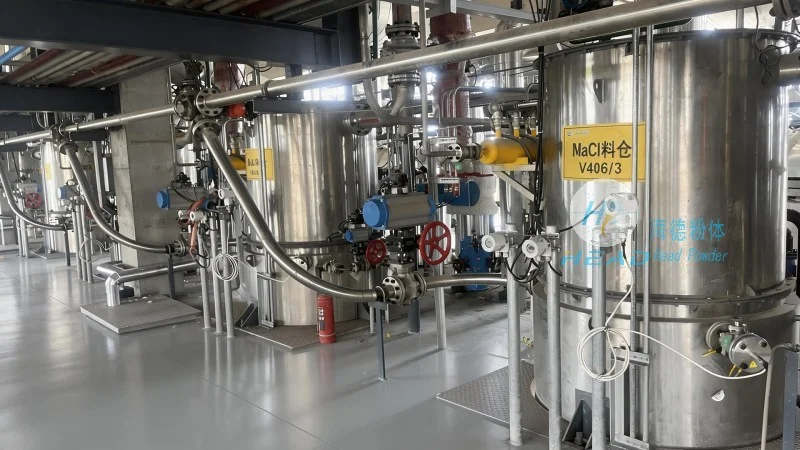
Advantages and Applications of Plastic Material Pneumatic Conveying
Pneumatic conveying offers several advantages for handling plastic materials, making it a preferred method in many industries. One of the main advantages is the ability to handle materials in a closed system, which reduces contamination and environmental impact. This is particularly important for food-grade or medical-grade plastics, where cleanliness is critical. Another advantage is the reduced risk of material degradation compared to other handling methods, such as mechanical conveying, which can cause wear and tear on the material. Pneumatic conveying also allows for precise control over the material flow rate and direction, enabling accurate dosing and processing. These advantages make pneumatic conveying suitable for a wide range of applications, including plastic recycling, manufacturing, and packaging. In plastic recycling plants, pneumatic conveying is used to transport recycled plastic pellets from storage to processing equipment. In manufacturing facilities, it is used to move plastic granules from storage silos to extrusion lines or injection molding machines. In packaging operations, it is used to transfer plastic films or sheets to packaging lines. The versatility and efficiency of pneumatic conveying make it an essential technology for the plastic industry, enabling manufacturers to handle materials safely and effectively.
Conclusion and Company Information
Designing a pneumatic conveying system for plastic materials is a complex task that requires careful consideration of the material's properties, the system's components, and the operational requirements. By following the key design principles and selecting appropriate equipment, manufacturers can achieve efficient and reliable material handling for their plastic products. Shandong HeadPowder Engineering Co., Ltd. (headpowder), a professional provider based in China, Shandong, specializes in designing and manufacturing pneumatic conveying systems tailored to the specific needs of plastic material handling. With years of experience and expertise in the field, headpowder offers customized solutions that ensure optimal performance, safety, and efficiency for plastic material transport. Whether for recycling, manufacturing, or packaging applications, headpowder's systems are designed to meet the highest standards of quality and reliability, helping companies in the plastic industry improve their operations and achieve their production goals.




