

What is the Pneumatic Conveying of Fine, Smooth Sand Materials? Exploring Design Principles
Understanding the pneumatic conveying of fine, smooth sand materials is crucial for industries that rely on efficient material handling. This process involves transporting granular materials like fine sand through a pipeline using pressurized air or a vacuum. The design principles behind such systems are intricate, balancing factors like material properties, flow rates, and system efficiency to ensure reliable operation.
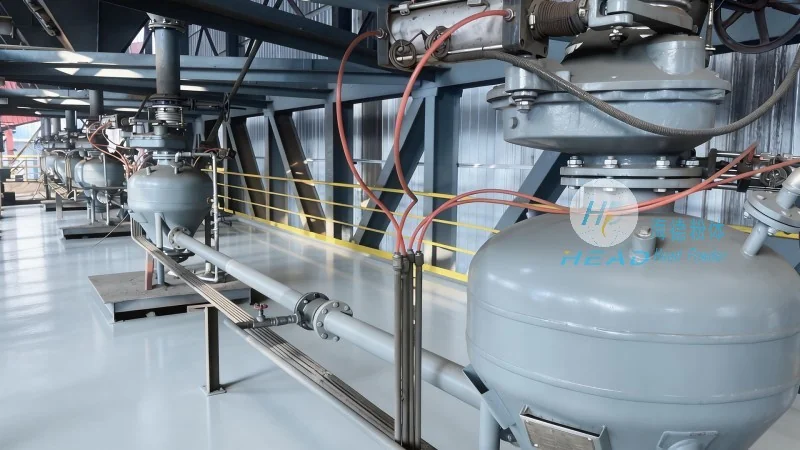
Pneumatic Conveying Fundamentals
The core of pneumatic conveying systems lies in the interaction between the material and the air stream. For fine, smooth sand, the material's low bulk density and cohesive properties require specialized design considerations. The system typically consists of a feeding device, a conveying line, and a discharge mechanism. The feeding device ensures a consistent flow of sand into the pipeline, while the conveying line may use either positive pressure (pressure conveying) or negative pressure (vacuum conveying) to move the material. The discharge mechanism then collects the sand at the destination point.
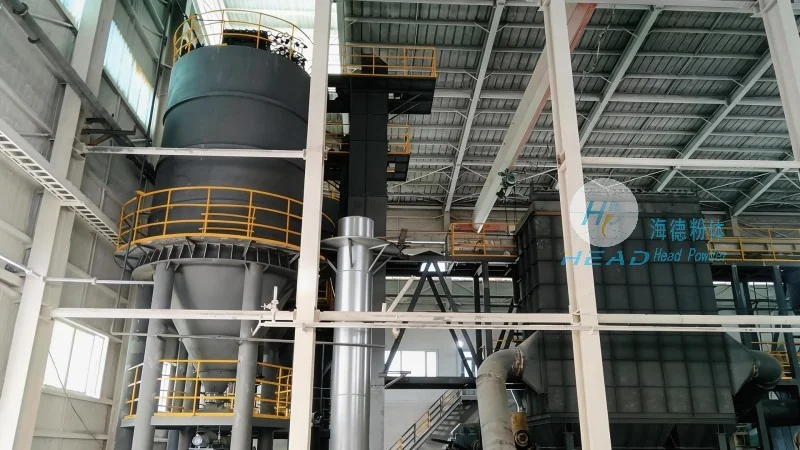
Design Principles for Fine, Smooth Sand Conveying
Designing a pneumatic conveying system for fine, smooth sand demands a thorough analysis of several key factors. First, the material's particle size distribution and shape are critical. Fine sand particles are prone to agglomeration, which can lead to blockages in the pipeline. Therefore, system designers often incorporate features like inline mixers or air classifiers to maintain particle separation and prevent clogging. Second, the air velocity within the pipeline must be optimized. Excessive velocity can cause particle attrition or erosion of the pipeline walls, while insufficient velocity may result in material deposition or reduced conveying efficiency. Engineers use computational fluid dynamics (CFD) and empirical formulas to determine the optimal air velocity for a given sand type and pipeline diameter. Third, the system's pressure drop is a critical design parameter. It affects the energy consumption and overall system performance. Proper sizing of the pipeline, elbows, and other components minimizes pressure drop while ensuring adequate conveying capacity.
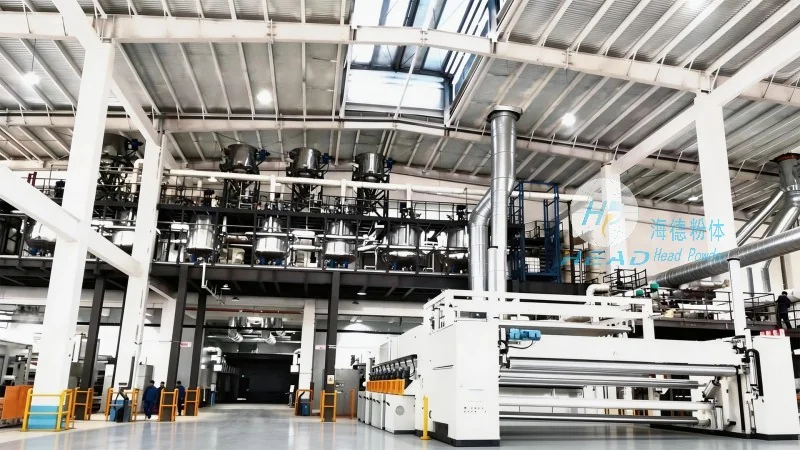
HeadPowder's Expertise in Pneumatic Conveying Solutions
Shandong HeadPowder Engineering Co., Ltd., commonly known as HeadPowder, is a leading provider of specialized pneumatic conveying systems tailored for fine, smooth sand applications. With a strong presence in China, particularly in Shandong province, the company leverages decades of industry experience to deliver customized solutions that meet the unique challenges of handling fine sand materials. HeadPowder's engineers work closely with clients to assess their specific material characteristics, operational requirements, and site constraints, ensuring that the final system is both efficient and reliable. The company's commitment to quality and innovation has made it a trusted partner for businesses in sectors such as construction, glass manufacturing, and mineral processing, where the reliable transport of fine sand is essential for production continuity.
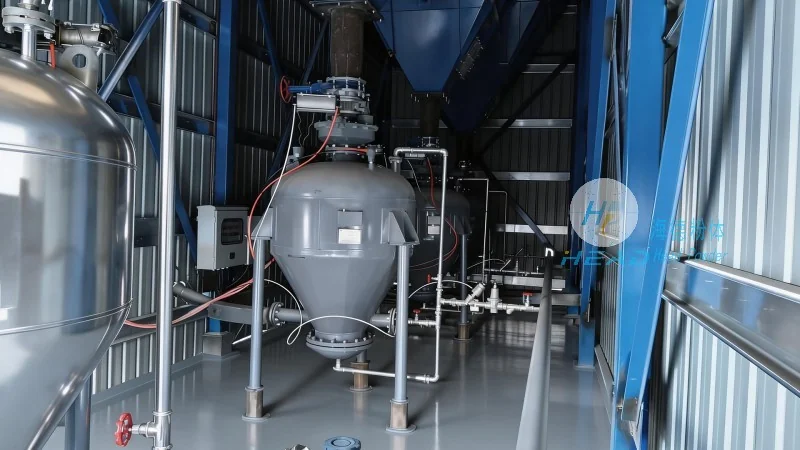
Key Considerations in System Implementation
Implementing a pneumatic conveying system for fine, smooth sand involves more than just selecting the right components. System integration and maintenance are equally important. Proper alignment of the feeding and discharge equipment with the pipeline ensures smooth material flow and reduces the risk of operational disruptions. Regular maintenance, including cleaning of filters and checking for wear in moving parts, is essential to maintain system performance and extend equipment lifespan. Additionally, monitoring system parameters such as pressure, flow rate, and temperature provides early detection of potential issues, allowing for timely intervention and minimizing downtime.