Barium sulfate, a widely used industrial material, often requires efficient and reliable transport methods for various applications. Pneumatic conveying is a key technology that enables the movement of such materials through a pipeline system using air or gas as the conveying medium. This method offers several advantages over traditional bulk material handling, including reduced dust generation, improved safety, and enhanced process control.
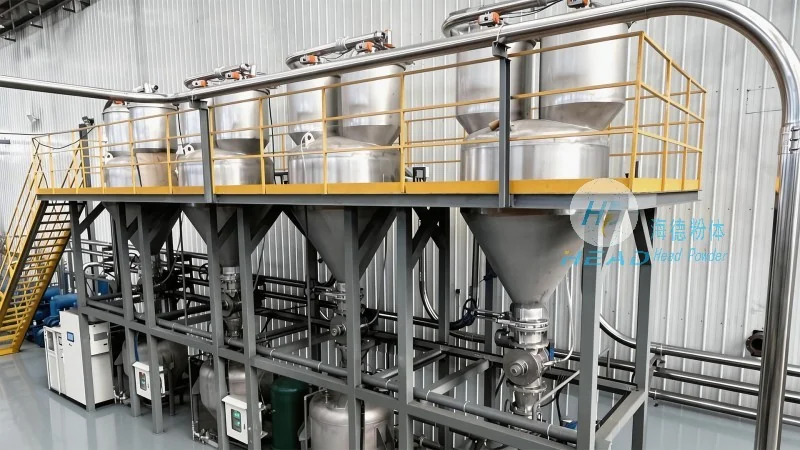
For barium sulfate, which is typically a fine powder or granular material, pneumatic conveying provides an effective solution to transport it from storage to processing units or other destinations within a facility. The design of a pneumatic conveying system for barium sulfate must consider several critical factors to ensure optimal performance, efficiency, and longevity of the equipment.
Understanding Pneumatic Conveying Systems
Pneumatic conveying systems operate by creating a pressure differential between the inlet and outlet of the conveying line. Air is introduced into the system, and the material is entrained by the moving air stream, which then transports the material through the pipeline. The system typically consists of several components, including a feeder, a conveying line, a separator, and a receiver. The feeder is responsible for introducing the material into the system at a controlled rate, while the separator separates the material from the air stream at the end of the line, allowing the material to be collected in the receiver.
Design Principles for Barium Sulfate Pneumatic Conveying
The design of a pneumatic conveying system for barium sulfate must take into account the physical properties of the material, such as its particle size, density, and flowability. These properties influence the selection of the conveying velocity, pressure, and system configuration. For example, fine barium sulfate particles may require higher conveying velocities to prevent clogging or deposition in the pipeline. The system design also needs to consider the material's abrasiveness, as barium sulfate can be abrasive to the conveying equipment, leading to increased wear and maintenance costs.
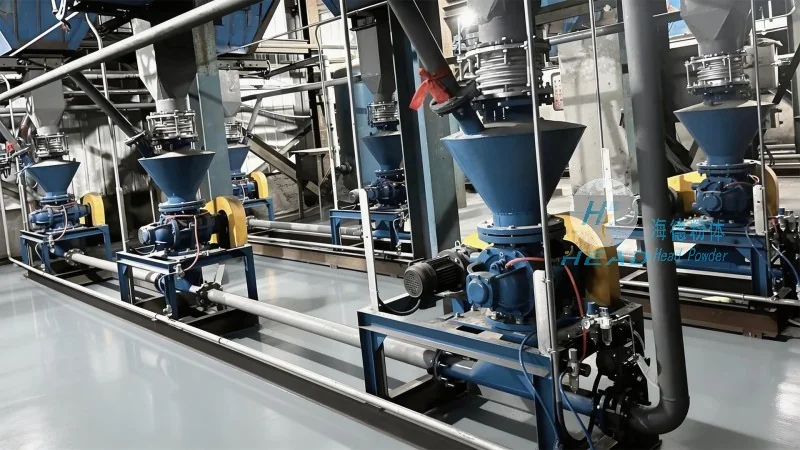
Another important design consideration is the system's capacity and throughput. The conveying system must be able to handle the required volume of barium sulfate at the desired flow rate. This involves selecting appropriate feeder types, such as rotary valves or screw feeders, and determining the appropriate pipe diameter and length. The system's pressure requirements are also critical, as higher pressures may be needed for longer conveying distances or for materials with higher resistance to flow.
HeadPowder's Expertise in Pneumatic Conveying Solutions
Shandong HeadPowder Engineering Co., Ltd. specializes in providing customized pneumatic conveying solutions for various industrial applications, including the handling of barium sulfate. With years of experience in the field, HeadPowder has developed a deep understanding of the unique challenges associated with conveying fine and abrasive materials like barium sulfate. The company's engineers work closely with clients to assess their specific needs and design systems that meet their operational requirements and budget constraints.
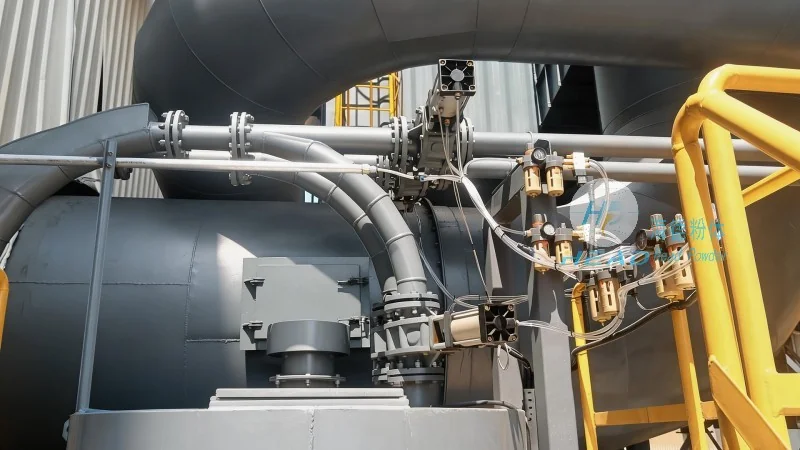
HeadPowder's approach to system design involves a comprehensive analysis of the material's properties, the conveying distance, and the desired performance metrics. The company uses advanced engineering software and methodologies to model the system and predict its behavior under different operating conditions. This allows for the optimization of the system's components, such as the feeder, pipeline, and separator, to ensure efficient and reliable operation.
The company's pneumatic conveying systems for barium sulfate are designed with durability and low maintenance in mind. The company selects high-quality materials for the conveying equipment, such as stainless steel or specialized alloys, to resist corrosion and wear from the abrasive barium sulfate particles. The system components are also designed with easy access for maintenance, reducing downtime and operational costs for the client.
The company's commitment to quality and customer satisfaction is reflected in its rigorous testing and validation processes. Each pneumatic conveying system is thoroughly tested before delivery to ensure it meets the client's specifications and operates as intended. HeadPowder also provides ongoing support and maintenance services to its clients, ensuring that the system continues to perform optimally over its service life.




