

What is Coffee Powder Material Pneumatic Conveying? And What Are Its Design Principles?
Coffee powder material pneumatic conveying is a specialized method used in the coffee processing industry to transport coffee powder efficiently and safely. This technology involves using compressed air or other gases to move coffee powder from one location to another, often within a production facility. The process is crucial for maintaining the quality and integrity of the coffee powder, as it prevents contamination and ensures consistent flow rates. As a leading provider in this field, Shandong HeadPowder Engineering Co., Ltd. specializes in designing and implementing such systems tailored to the unique needs of coffee processing plants.
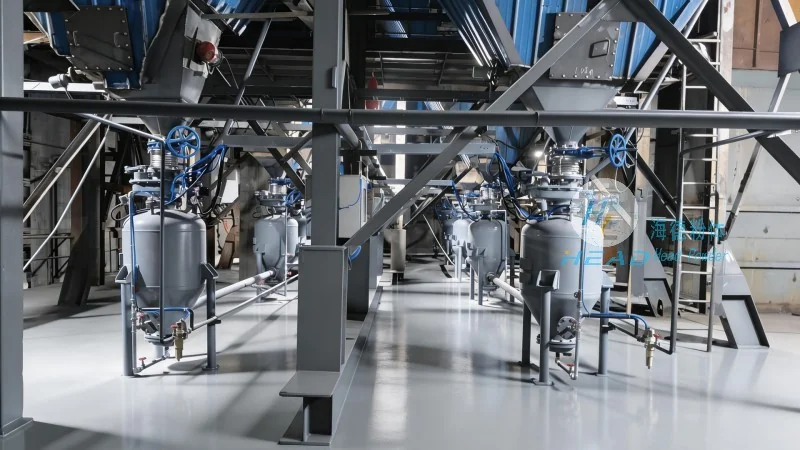
Understanding Coffee Powder Material Pneumatic Conveying
Pneumatic conveying for coffee powder involves the use of air or gas to create a flow that transports the powder through a pipeline system. Unlike traditional mechanical conveying methods, which rely on belts or screws, pneumatic systems use pressure differentials to move the material. This approach is particularly advantageous for coffee powder because it minimizes product degradation, reduces the risk of cross-contamination, and allows for flexible system layouts. The system typically consists of a hopper, a conveyor line, and a receiver, all connected by a network of pipes. Compressed air is introduced at one end of the line, creating a pressure difference that propels the coffee powder through the system. The design of the conveying line, including the size of the pipes and the placement of bends and valves, is critical to ensuring smooth and efficient operation.
Key Design Principles for Coffee Powder Pneumatic Conveying Systems
The design of a coffee powder pneumatic conveying system must consider several key factors to optimize performance and maintain product quality. First, the system must be designed to handle the specific properties of coffee powder, such as its particle size, moisture content, and flow characteristics. These properties affect how the powder behaves under pressure and in the presence of air, making it essential to select the appropriate conveying method (e.g., dilute-phase or dense-phase) and equipment. For coffee powder, dilute-phase conveying is often preferred because it allows for higher flow rates and better control over the powder's movement. The system must also be equipped with proper filtration and cleaning mechanisms to prevent the buildup of coffee residue in the pipes, which could affect the quality of subsequent batches. Additionally, the design must incorporate safety features, such as pressure relief valves and explosion-proof components, to protect both the equipment and the personnel operating the system.
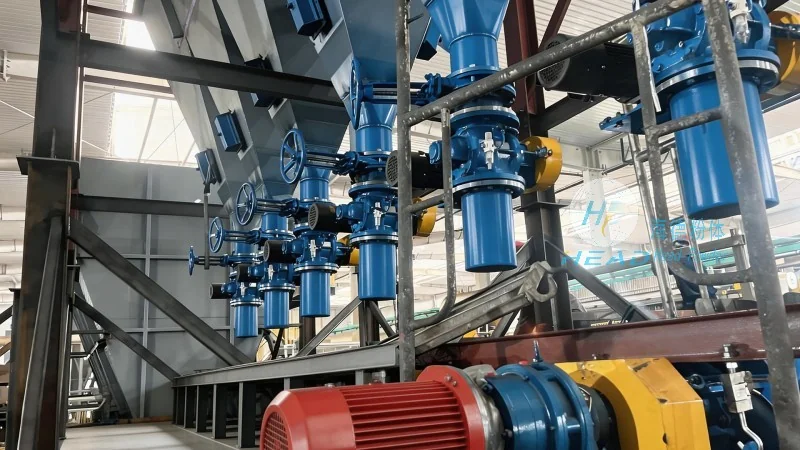
Components and Their Roles in Coffee Powder Pneumatic Conveying
A typical coffee powder pneumatic conveying system includes several key components, each playing a vital role in the overall operation. The hopper, where the coffee powder is stored before being conveyed, is designed to maintain the powder's quality by preventing exposure to air and moisture. The feeder, which can be a rotary valve or a vibratory feeder, controls the flow rate of the coffee powder into the conveyor line. The conveyor line itself, made of materials resistant to coffee powder and cleaning agents (such as stainless steel or PTFE-coated pipes), ensures that the powder is transported without sticking or degradation. The receiver, where the coffee powder is deposited, is equipped with a dust collection system to capture any particles that may escape during the process. The compressed air system, which provides the necessary pressure to move the powder, includes an air compressor, filters, and regulators to maintain consistent air quality and pressure. Each component must be carefully selected and integrated to ensure the system operates efficiently and reliably.
Benefits of Using Coffee Powder Pneumatic Conveying Systems
Implementing a coffee powder pneumatic conveying system offers numerous benefits for coffee processing facilities. One of the primary advantages is the ability to maintain the quality of the coffee powder throughout the conveying process. By using compressed air, the system minimizes the risk of physical damage to the powder particles, which can affect their flavor and aroma. Additionally, pneumatic conveying reduces the need for manual handling, which not only improves safety but also increases operational efficiency. The flexibility of the system allows for easy integration with existing production lines and the ability to expand or modify the system as production needs change. Furthermore, the system's ability to handle high volumes of coffee powder at a consistent rate helps to streamline production processes and reduce downtime. Overall, the use of coffee powder pneumatic conveying systems contributes to higher product quality, improved operational efficiency, and enhanced safety in coffee processing facilities.
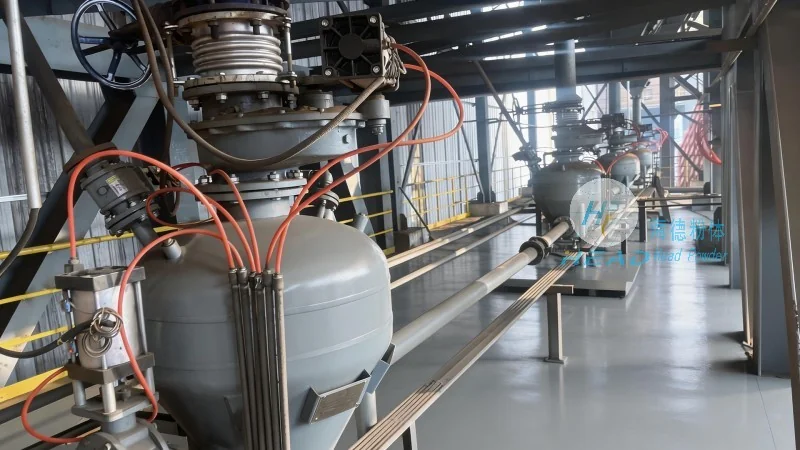
Customization and Application in Coffee Processing
Shandong HeadPowder Engineering Co., Ltd. understands that each coffee processing facility has unique requirements, and therefore, they offer customized pneumatic conveying solutions tailored to specific applications. Whether the facility processes roasted coffee beans into powder or handles different types of coffee blends, the system can be designed to meet the specific needs of the operation. The company's engineers work closely with clients to assess their production volumes, powder characteristics, and facility layout to design a system that maximizes efficiency and minimizes costs. Customization may include adjustments to the conveying line diameter, the type of air compressor, or the addition of specialized components such as cyclones or filters. By providing tailored solutions, Shandong HeadPowder Engineering Co., Ltd. ensures that coffee processing facilities can achieve optimal performance and maintain the high standards required in the industry.
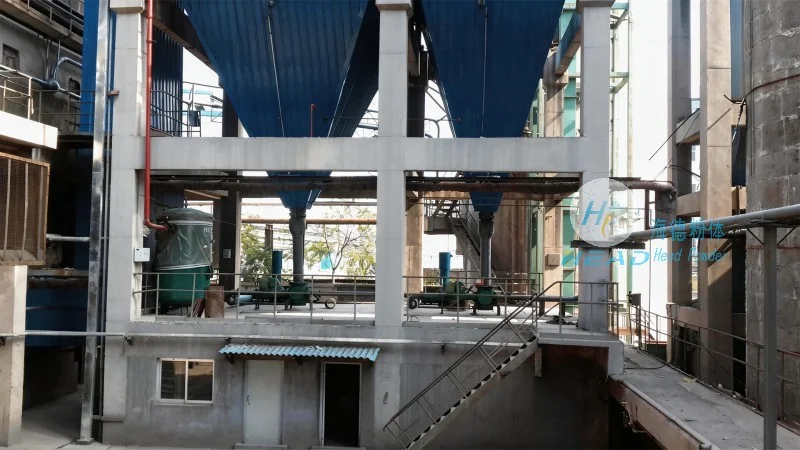
Maintenance and Longevity of Coffee Powder Pneumatic Conveying Systems
Proper maintenance is essential to ensure the longevity and reliability of coffee powder pneumatic conveying systems. Regular maintenance activities include cleaning the conveyor lines to prevent the buildup of coffee residue, inspecting and replacing worn parts, and checking the air compressor and filtration system for optimal performance. The hopper and feeder components should also be cleaned regularly to maintain the quality of the coffee powder and prevent contamination. Shandong HeadPowder Engineering Co., Ltd. provides maintenance services and spare parts to support their clients, ensuring that the systems operate at peak performance. By following a regular maintenance schedule, coffee processing facilities can minimize downtime, reduce repair costs, and extend the life of their conveying systems. The company's expertise in maintenance and support helps to ensure that the systems continue to deliver high-quality performance over the long term.
Conclusion: The Importance of Coffee Powder Pneumatic Conveying in Coffee Processing
Coffee powder material pneumatic conveying is a critical technology in the coffee processing industry, enabling efficient and safe transportation of coffee powder while maintaining its quality. The design principles and components of such systems are carefully engineered to meet the specific needs of coffee powder, ensuring optimal performance and reliability. With the expertise of companies like Shandong HeadPowder Engineering Co., Ltd., coffee processing facilities can implement and maintain effective pneumatic conveying systems that enhance their operational efficiency and product quality. As the industry continues to evolve, the importance of advanced conveying technologies like pneumatic systems will only grow, making them essential for the success of coffee processing operations.