

What is Corn Starch Material Pneumatic Conveying? And What Are Its Design Principles?
Corn starch, a widely used industrial and food-grade material, often requires efficient and reliable transportation methods to move it from one location to another within processing facilities. Pneumatic conveying is a key technology in this regard, offering a solution that can handle fine powders like corn starch with precision and minimal contamination. This article explores the concept of corn starch material pneumatic conveying and delves into the underlying design principles that make such systems effective.
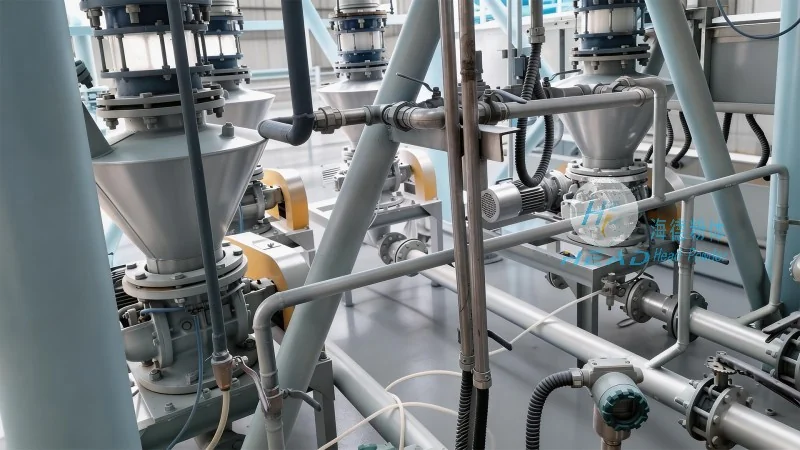
Introduction to Corn Starch Material Pneumatic Conveying
Pneumatic conveying, also known as air conveying, is a method of transporting bulk materials through a pipeline using compressed air or other gas. In the context of corn starch, which is a fine powder with specific handling characteristics, this technology is particularly valuable. Corn starch particles are typically small and can be prone to dusting or caking if not handled properly. Pneumatic systems address these challenges by using air to move the material, reducing the risk of product degradation and ensuring a clean, controlled transfer process.
About HeadPowder: A Leading Provider in Material Handling Solutions
HeadPowder, or Shandong HeadPowder Engineering Co., Ltd., is a reputable company based in Shandong, China, specializing in engineering solutions for material handling and processing. With a focus on innovative and efficient systems, HeadPowder has established itself as a trusted partner for industries dealing with fine powders, including food, pharmaceuticals, and chemicals. The company's expertise lies in designing and manufacturing pneumatic conveying systems tailored to the unique needs of corn starch and other similar materials.
Design Principles of Corn Starch Material Pneumatic Conveying Systems
The design of a corn starch pneumatic conveying system involves several critical components and principles to ensure optimal performance. The primary goal is to move the material efficiently while maintaining product quality and system reliability. Key design considerations include:
1. **System Type Selection**: There are two main types of pneumatic conveying systems—positive pressure and negative pressure. For corn starch, positive pressure systems are often preferred as they can handle fine powders more effectively and are less susceptible to blockages. These systems use a blower to generate compressed air that pushes the material through the pipeline.
2. **Airflow and Velocity**: The velocity of the air in the pipeline is a crucial factor. It must be high enough to keep the corn starch particles suspended and prevent them from settling or caking. However, excessive velocity can lead to increased energy consumption and potential wear on the system components. Proper velocity calculation is essential to achieve a balance between material transport efficiency and system longevity.
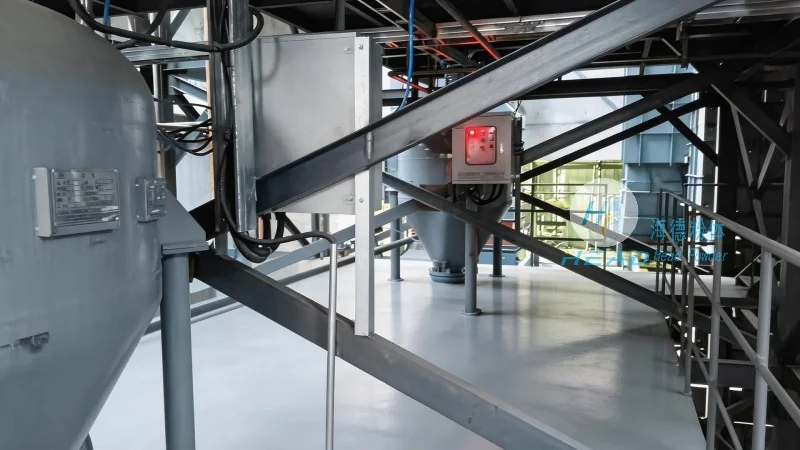
3. **Pipeline Design and Layout**: The design of the conveying pipeline is critical. The pipeline should be sized appropriately to accommodate the volume of corn starch being transported and the required air velocity. The layout should minimize bends and changes in direction to reduce pressure losses and prevent material buildup. Additionally, the use of smooth, corrosion-resistant materials for the pipeline is important to avoid product contamination and ensure long-term durability.
4. **Dust Control and Filtration**: Corn starch is a fine powder that can generate dust during the conveying process. Effective dust control measures are necessary to prevent environmental contamination and maintain a safe working environment. This includes the use of filters and dust collectors at the end of the conveying line to capture any airborne particles. Proper filtration systems also help in maintaining the purity of the corn starch, which is vital for its use in food and other applications.
5. **Material Handling Equipment Integration**: The pneumatic conveying system must be integrated with other equipment in the processing facility, such as hoppers, feeders, and storage tanks. The design must ensure smooth transfer between these components to avoid material loss or blockages. For example, the use of rotary valves or feeders at the inlet of the conveying line can help control the flow of corn starch and prevent overloading the system.
Key Components and Their Roles in Corn Starch Pneumatic Conveying
A typical corn starch pneumatic conveying system consists of several key components, each playing a vital role in the overall operation. These components include:
1. **Air Supply Unit**: This is the heart of the system, providing the compressed air needed to move the material. The air supply unit typically includes a blower, which can be a centrifugal or positive displacement type, depending on the system requirements. The blower's capacity and pressure must be matched to the conveying system's needs to ensure efficient material transport.
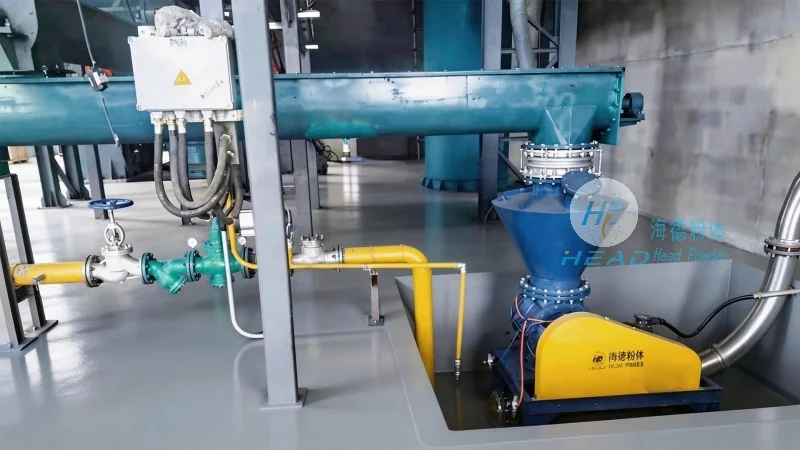
2. **Conveying Pipeline**: The pipeline is where the corn starch is transported. It is usually made of materials like stainless steel or plastic, chosen for their resistance to corrosion and compatibility with the material being conveyed. The pipeline is designed with appropriate diameters and lengths to accommodate the system's flow rates and pressure requirements.
3. **Inlet and Outlet Equipment**: The inlet equipment, such as a hopper or feeder, is used to introduce the corn starch into the conveying line. The outlet equipment, including a receiver or silo, collects the material at the end of the line. These components are designed to handle the fine powder without causing blockages or contamination.
4. **Dust Collection System**: As mentioned earlier, dust control is essential. The dust collection system typically includes a filter and a dust collector that captures any airborne particles. The filter may be a bag filter or a cartridge filter, depending on the system's capacity and the required filtration efficiency. The collected dust is then disposed of or recycled as needed.
5. **Control and Monitoring Systems**: Modern pneumatic conveying systems often include control and monitoring equipment to ensure optimal operation. This may include sensors to measure pressure, flow rate, and temperature, as well as control panels to adjust the system's parameters in real-time. These systems help in maintaining the efficiency and reliability of the conveying process.
Benefits of Using Corn Starch Material Pneumatic Conveying
Implementing a pneumatic conveying system for corn starch offers several benefits that make it an attractive choice for many industries. These benefits include:
1. **Efficient Material Transport**: Pneumatic systems can transport corn starch quickly and over long distances, reducing the need for manual handling and increasing overall productivity. The system can handle large volumes of material with minimal labor.
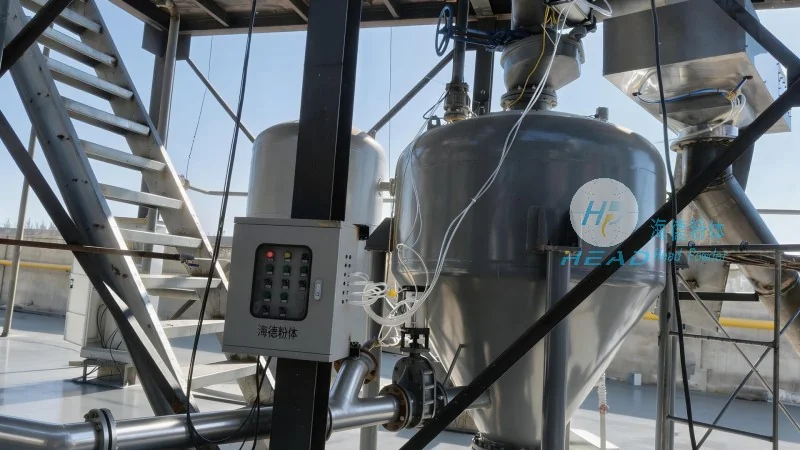
2. **Reduced Product Contamination**: Unlike mechanical systems, pneumatic conveying minimizes the risk of product contamination from external sources. The enclosed pipeline and controlled environment help maintain the purity of the corn starch, which is crucial for its use in food and pharmaceutical applications.
3. **Lower Maintenance Costs**: Pneumatic systems generally have lower maintenance requirements compared to mechanical systems. The absence of moving parts in the pipeline reduces wear and tear, leading to lower maintenance costs and longer system life.
4. **Improved Safety**: By eliminating the need for manual handling of fine powders, pneumatic systems reduce the risk of dust explosions and other safety hazards. The enclosed system also protects workers from exposure to airborne particles.
5. **Flexibility and Scalability**: Pneumatic conveying systems can be easily modified or expanded to accommodate changes in production volume or process requirements. This flexibility makes them suitable for a wide range of applications and industries.
Conclusion
Corn starch material pneumatic conveying is a sophisticated and effective method for transporting fine powders like corn starch. The design principles and components involved in such systems are carefully engineered to ensure efficient, reliable, and safe material handling. Companies like Shandong HeadPowder Engineering Co., Ltd. play a crucial role in providing these solutions, leveraging their expertise to design systems that meet the specific needs of their clients. By understanding the design principles and benefits of pneumatic conveying, industries can make informed decisions to improve their material handling processes and enhance overall operational efficiency.