When it comes to transporting polysilicon, a critical decision for many industrial operations is whether to use positive pressure or negative pressure pneumatic conveying systems. The choice significantly impacts efficiency, cost, and operational safety. Understanding the fundamental differences between these two methods is essential for selecting the most suitable solution for your specific application. This article will explore the key aspects of positive and negative pressure systems, providing insights into how to distinguish between them and make an informed decision.
Introduction to Polysilicon Pneumatic Conveying
Polysilicon, a key material in the semiconductor industry, requires reliable and efficient transport methods to move it from production sites to processing facilities. Pneumatic conveying offers a flexible and effective solution, utilizing air or gas to move bulk materials through a pipeline system. The two primary types of pneumatic conveying systems are positive pressure and negative pressure, each with distinct characteristics and applications.
Positive Pressure Pneumatic Conveying
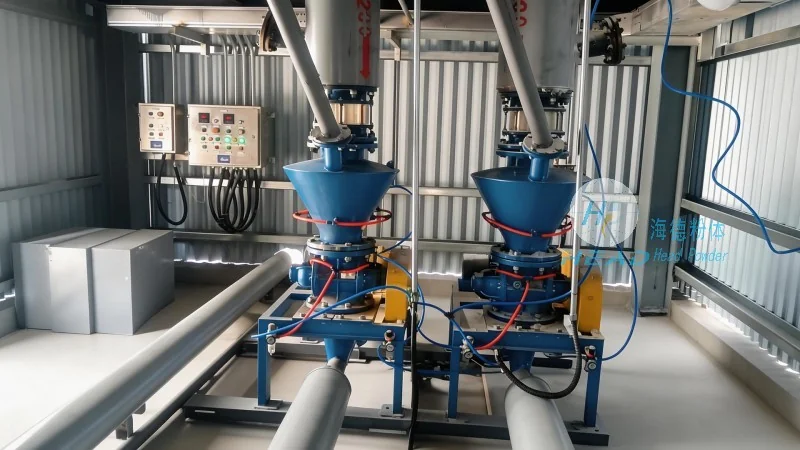
Positive pressure systems operate by blowing air or gas into the conveying line, creating a pressure higher than the ambient air pressure. This method pushes the material through the pipeline, ensuring a continuous and controlled flow. The system typically includes a blower or compressor at the inlet, which generates the necessary pressure to move the material. Positive pressure systems are often preferred for applications requiring high material throughput and long-distance transport, as they can maintain consistent pressure and flow rates.
Negative Pressure Pneumatic Conveying
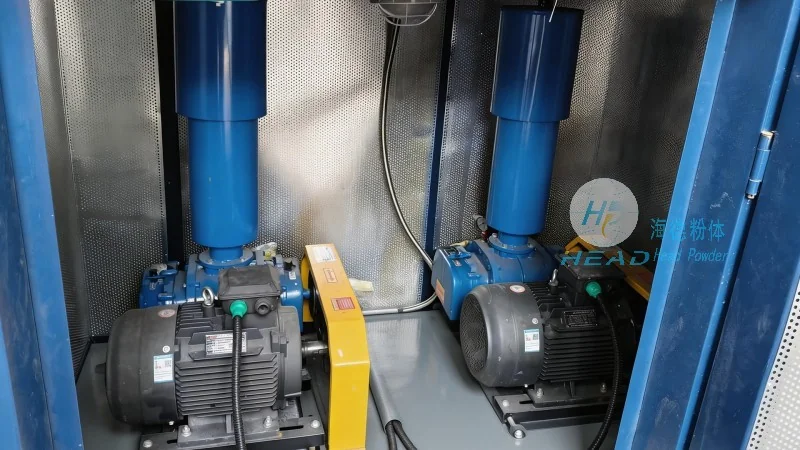
Negative pressure systems, also known as suction or vacuum systems, operate by creating a vacuum in the conveying line, drawing material from the source into the pipeline. The system uses a vacuum pump or fan to reduce the pressure inside the line, causing the material to be pulled along with the air flow. Negative pressure systems are generally more suitable for shorter distances and applications where the material is less abrasive or where dust control is a priority, as they minimize the risk of material spillage and contamination.
Distinguishing Between Positive and Negative Pressure Systems
The primary distinction between positive and negative pressure systems lies in the direction of air flow and the pressure differential. Positive pressure systems push material through the line by increasing pressure, while negative pressure systems pull material by creating a vacuum. This fundamental difference affects several operational aspects, including system complexity, energy consumption, and material handling capabilities.
Key Factors to Consider When Choosing a System
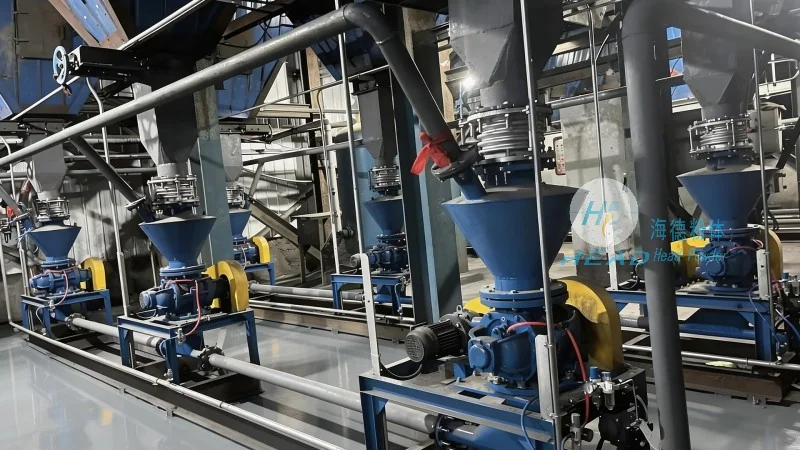
Several factors should be evaluated when deciding between positive and negative pressure for polysilicon conveying. The distance between the source and destination is a critical factor; longer distances often favor positive pressure due to its ability to maintain pressure over extended pipelines. Material characteristics, such as particle size, density, and abrasiveness, also play a role. Coarser or more abrasive materials may require positive pressure systems to prevent pipeline wear and ensure reliable transport. Additionally, the need for dust control and environmental compliance can influence the choice, as negative pressure systems are generally better at containing dust and minimizing emissions.
System Components and Design Considerations
Both positive and negative pressure systems consist of several key components, including a material feeder, conveying line, and control system. However, the specific design and configuration vary based on the system type. Positive pressure systems typically include a blower, material hopper, and sometimes a rotary valve to control the flow. Negative pressure systems may use a vacuum pump, dust filter, and a collection hopper. The choice of components impacts the overall efficiency and maintenance requirements of the system.
Advantages and Disadvantages of Each System
Positive pressure systems offer several advantages, including higher material throughput, better control over flow rates, and suitability for long-distance transport. They are also generally more robust and can handle more abrasive materials. However, they may require more energy and have higher initial costs due to the need for a blower or compressor. Negative pressure systems, on the other hand, are more energy-efficient and can be less expensive to install, especially for shorter distances. They excel in dust control and are often preferred for applications where environmental regulations are strict. The main drawback is their limited capacity for long-distance transport and handling of abrasive materials.
Case Study: Application in Polysilicon Production
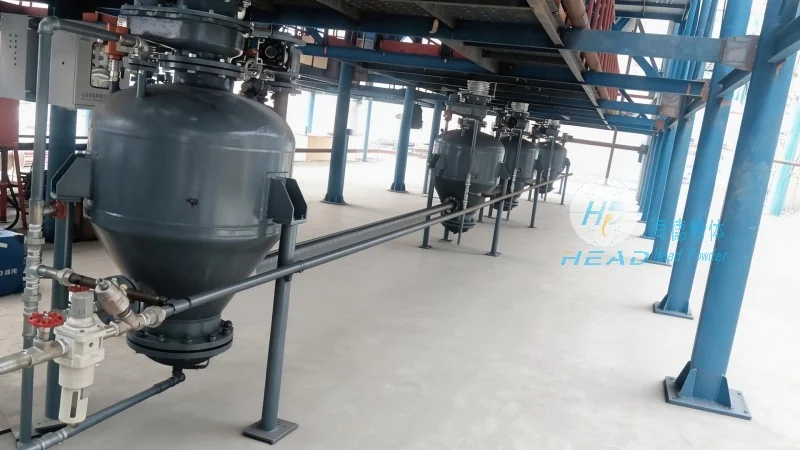
Shandong HeadPowder Engineering Co., Ltd., a leading provider of material handling solutions, has extensive experience in designing and implementing pneumatic conveying systems for polysilicon production. The company has successfully deployed both positive and negative pressure systems in various industrial settings. For instance, a polysilicon plant in China utilized a positive pressure system to transport material over a distance of 500 meters, achieving a consistent throughput of 10 tons per hour. The system's robust design and efficient blower ensured minimal downtime and high material quality. In another application, a smaller facility opted for a negative pressure system to handle fine polysilicon particles, which required strict dust control measures. The vacuum system effectively minimized emissions and maintained a clean working environment.
Conclusion
Choosing between positive and negative pressure pneumatic conveying for polysilicon transport depends on a careful evaluation of operational requirements, material characteristics, and cost considerations. Positive pressure systems are ideal for high-volume, long-distance transport and handling of abrasive materials, while negative pressure systems are better suited for shorter distances and applications requiring stringent dust control. By understanding the fundamental differences and considering the specific needs of your operation, you can select the most effective system to ensure efficient and reliable polysilicon handling. Shandong HeadPowder Engineering Co., Ltd. remains committed to providing tailored solutions that meet the unique demands of industrial clients, leveraging their expertise in material handling technology to deliver optimal performance and sustainability.




