

Choosing Between Positive Pressure and Negative Pressure for Silage Material Pneumatic Conveying: Ho
When it comes to transporting silage material via pneumatic conveying systems, selecting the right pressure type is crucial for efficiency, cost-effectiveness, and operational safety. Two primary methods are commonly used: positive pressure and negative pressure. Understanding the differences between these approaches is essential for making an informed decision that aligns with specific operational needs. This article, provided by Shandong HeadPowder Engineering Co., Ltd., will explore the key characteristics of both positive and negative pressure systems, helping you determine which option is best suited for your silage handling requirements.
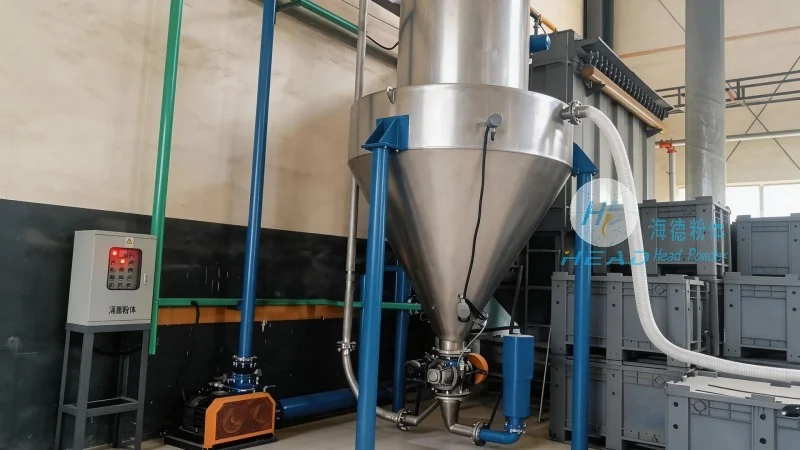
Understanding Pneumatic Conveying Basics
Pneumatic conveying systems use air or gas to transport bulk materials like silage from one location to another. The primary goal is to move the material through a pipeline using pressure differentials. The two main pressure types—positive and negative—differ in how they create this pressure differential and the resulting effects on the conveying process.
Positive Pressure Pneumatic Conveying
Positive pressure systems operate by blowing air or gas into the conveying line, creating a pressure higher than the ambient air pressure. This pressurized air pushes the silage material through the pipeline. The system typically uses a blower or compressor to generate the necessary pressure, which is then distributed through the entire conveying line.
Key advantages of positive pressure systems include their ability to handle long distances and high material loads. They are particularly effective for transporting silage over significant distances or when dealing with large volumes of material. The pressurized environment also helps maintain material integrity, reducing the risk of spoilage or degradation during transport.
However, positive pressure systems may require more energy to operate, as they need to maintain a consistent pressure throughout the system. This can increase operational costs, especially for large-scale applications. Additionally, the high pressure can sometimes lead to increased wear and tear on components, necessitating more frequent maintenance.
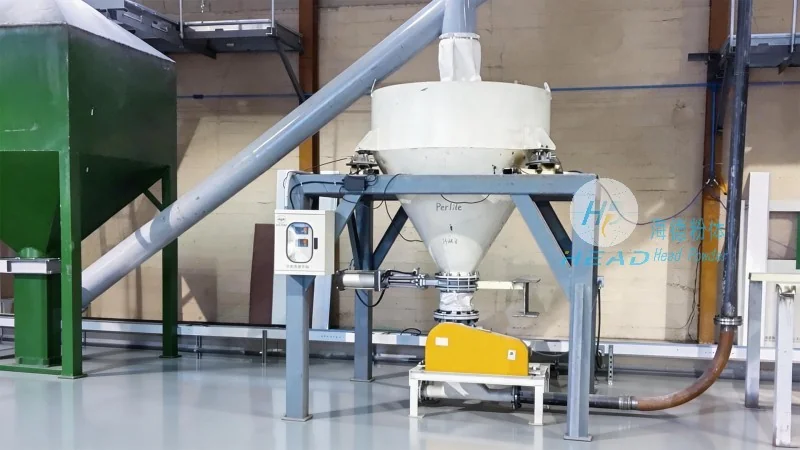
Negative Pressure Pneumatic Conveying
Negative pressure systems, also known as vacuum systems, work by creating a lower pressure inside the conveying line compared to the ambient air. This pressure differential draws the silage material into the pipeline. A vacuum pump or fan is used to create this negative pressure, which pulls the material from the source to the destination.
One of the main benefits of negative pressure systems is their lower energy consumption compared to positive pressure systems. The vacuum pump typically requires less power to operate, making it more energy-efficient. This can result in lower operational costs over time, especially for smaller or medium-sized applications.
However, negative pressure systems are generally better suited for shorter conveying distances and lower material loads. They may struggle with long-distance or high-volume transport, as the vacuum can diminish over longer distances, potentially leading to material clogging or reduced efficiency. The system also requires careful maintenance to ensure consistent vacuum levels, as any leaks can compromise the conveying process.
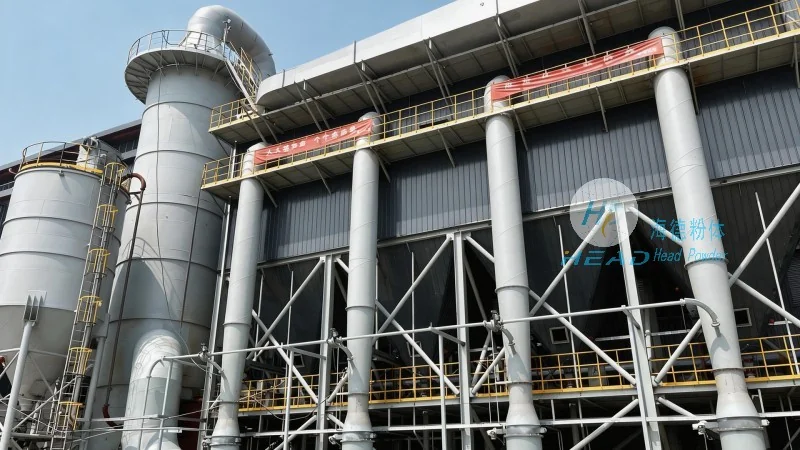
Key Differences and How to Choose
When deciding between positive and negative pressure for silage material conveying, several factors should be considered:
Conveying Distance and Material Volume: For long distances or high volumes, positive pressure is often more effective due to its ability to maintain pressure over extended pipelines. For shorter distances or lower volumes, negative pressure may be sufficient and more energy-efficient.
Energy Consumption and Costs: Negative pressure systems typically consume less energy, making them a cost-effective choice for smaller operations. Positive pressure systems, while more powerful, may incur higher energy costs, especially for large-scale applications.
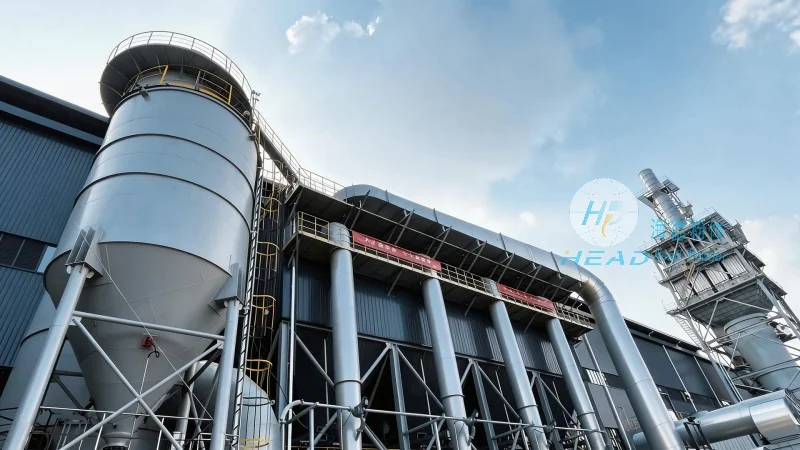
Material Properties: The characteristics of the silage material, such as moisture content and particle size, can influence the choice. Positive pressure systems are better at handling materials with higher moisture content or larger particles, as the pressurized air helps prevent clogging. Negative pressure systems may be more suitable for drier materials or those with smaller particle sizes.
System Complexity and Maintenance: Positive pressure systems often require more complex components, such as blowers and pressure regulators, which may need more frequent maintenance. Negative pressure systems, while simpler in design, still require regular checks to maintain vacuum levels and prevent leaks.
Conclusion
Choosing between positive and negative pressure for silage material pneumatic conveying depends on a variety of factors, including the distance to be covered, the volume of material, energy costs, and material properties. Positive pressure systems offer greater power and suitability for long-distance or high-volume transport, but at a higher energy cost and maintenance requirement. Negative pressure systems provide energy efficiency and simplicity for shorter distances and lower volumes, though they may have limitations in handling larger or more moisture-rich materials.
By carefully evaluating these factors, you can select the most appropriate pneumatic conveying system for your specific needs. Whether you opt for positive or negative pressure, the goal is to achieve efficient, reliable, and cost-effective transport of silage material, ensuring optimal performance and minimal operational disruptions.