When it comes to handling sodium hydroxide (NaOH), commonly known as caustic soda, through pneumatic conveying systems, selecting the right pressure type—positive or negative—is crucial for efficiency, safety, and operational longevity. This article explores the key considerations for choosing between positive and negative pressure systems, along with practical methods to distinguish them, all while highlighting the expertise of Shandong HeadPowder Engineering Co., Ltd., a leading provider of specialized material handling solutions from China.
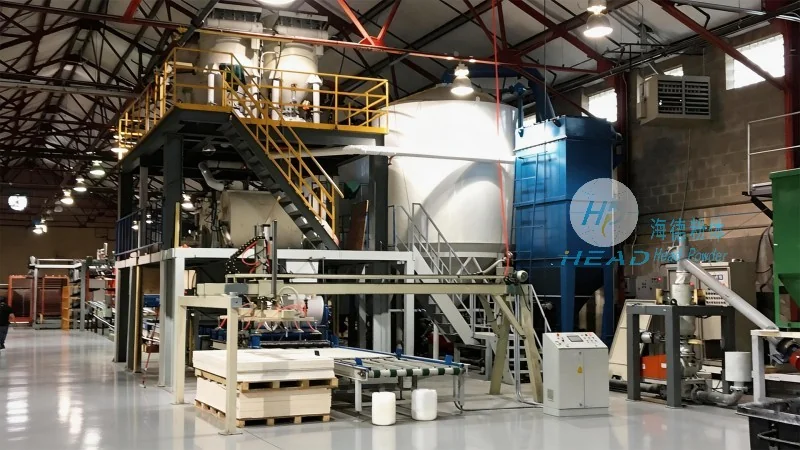
Understanding Pneumatic Conveying Basics
Pneumatic conveying is a method of transporting bulk materials, including chemicals like sodium hydroxide, using air or gas as the conveying medium. The system relies on creating a pressure differential to move material from the source to the destination. The primary types are positive pressure and negative pressure systems, each with distinct characteristics and applications.
Positive Pressure Pneumatic Conveying
Positive pressure systems operate by blowing air or gas into the conveying line, creating a pressure higher than the ambient environment. This method is often preferred for sodium hydroxide handling due to its ability to handle abrasive or corrosive materials effectively. The high-pressure air pushes the material through the pipeline, ensuring consistent flow and minimizing material degradation. Shandong HeadPowder Engineering Co., Ltd. specializes in designing positive pressure systems that can withstand the harsh conditions associated with caustic soda, including corrosion resistance and material compatibility.
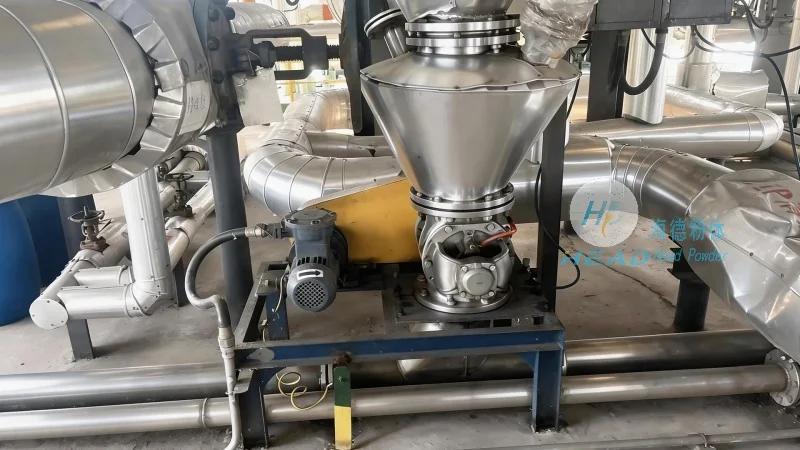
Negative Pressure Pneumatic Conveying
Negative pressure systems, on the other hand, create a vacuum or lower pressure in the conveying line compared to the ambient air. This approach draws material into the system using suction. While effective for lighter materials or applications where dust control is critical, negative pressure systems may be less suitable for sodium hydroxide due to its density and potential for clogging or blockages in the vacuum line. The design of negative pressure systems requires careful consideration of material properties and system maintenance to prevent operational issues.
Distinguishing Between Positive and Negative Pressure Systems
Differentiating between positive and negative pressure pneumatic conveying systems involves evaluating several key factors. First, consider the material characteristics: sodium hydroxide is a dense, abrasive chemical that benefits from the forceful flow of positive pressure systems. Negative pressure systems may struggle with material buildup and require more frequent maintenance. Second, assess the system's pressure requirements: positive pressure systems need robust air compressors and higher pressure ratings, while negative pressure systems rely on vacuum pumps and may have lower energy consumption but higher maintenance costs. Third, evaluate the operational environment: positive pressure systems are ideal for enclosed facilities where dust containment is essential, whereas negative pressure systems are better suited for open or outdoor applications where dust control is less critical.
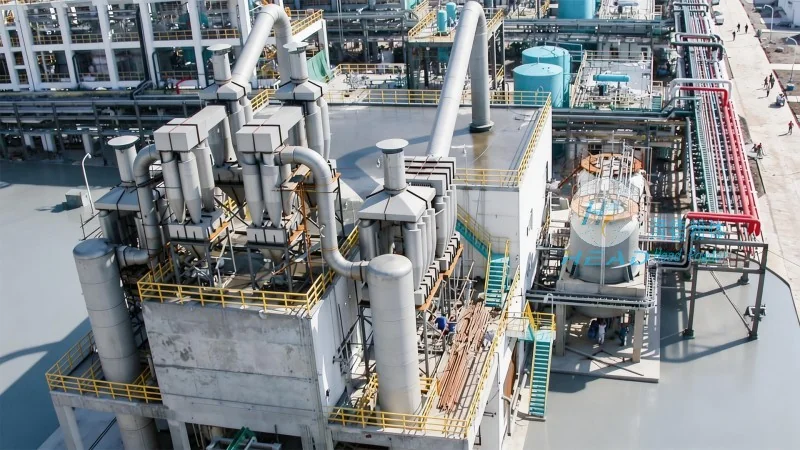
Key Considerations for Sodium Hydroxide Handling
When selecting a pneumatic conveying system for sodium hydroxide, several factors must be prioritized. The material's corrosive nature demands equipment made from materials like stainless steel or specialized coatings to prevent degradation. The system must also be designed to handle the material's hygroscopic properties, as sodium hydroxide absorbs moisture from the air, which can affect its performance and storage. Additionally, the system's scalability and flexibility are important for adapting to changing production needs. Shandong HeadPowder Engineering Co., Ltd. offers customized solutions that address these challenges, ensuring reliable and efficient handling of sodium hydroxide in various industrial applications.
Conclusion and Expert Guidance
Choosing between positive and negative pressure pneumatic conveying systems for sodium hydroxide requires a thorough understanding of material properties, operational requirements, and system capabilities. Positive pressure systems generally offer superior performance for caustic soda due to their ability to handle abrasive and corrosive materials effectively. Negative pressure systems may be considered for specific applications where dust control is less critical or where material is lighter. By evaluating factors such as material density, system pressure, and maintenance requirements, industrial facilities can select the most suitable pneumatic conveying system. Shandong HeadPowder Engineering Co., Ltd., with its headquarters in Shandong, China, provides expert consultation and tailored solutions to meet the unique needs of sodium hydroxide handling, ensuring safe and efficient material transport in industrial processes.




