

Choosing Between Positive Pressure and Negative Pressure for ABS Granule Pneumatic Conveying: How to
When it comes to transporting ABS granules, selecting the right pneumatic conveying system is crucial for efficiency, cost-effectiveness, and material integrity. The two primary methods—positive pressure and negative pressure—each offer distinct advantages and are suited to different operational requirements. Understanding the differences between these systems is essential for making an informed decision that aligns with your production needs.
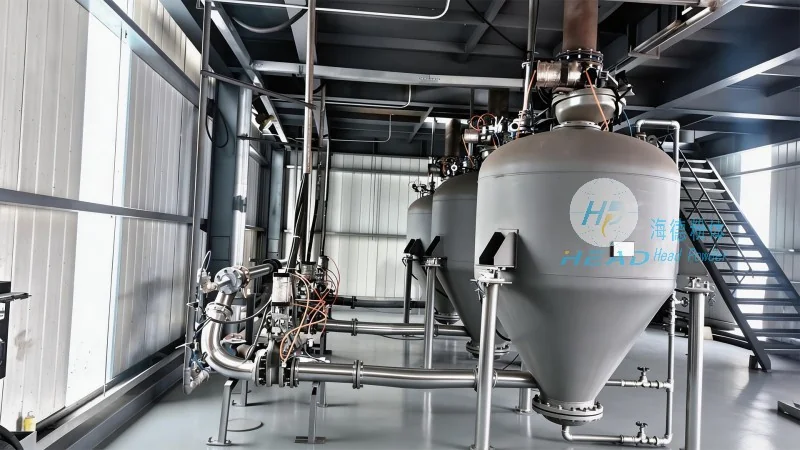
Understanding Pneumatic Conveying Systems
Pneumatic conveying uses air or gas to transport bulk materials like ABS granules through a pipeline. This method eliminates the need for mechanical components such as belts or buckets, reducing wear and maintenance costs. However, the choice between positive and negative pressure systems depends on factors like material properties, distance, and system complexity.
Positive Pressure Pneumatic Conveying
Positive pressure systems operate by blowing air or gas into the conveying line, creating a pressure higher than the ambient air. This method is ideal for transporting materials over longer distances or through complex network systems. The high pressure ensures that the material is continuously pushed through the pipeline, minimizing the risk of blockages. Shandong HeadPowder Engineering Co., Ltd., a leading provider of pneumatic conveying solutions, specializes in designing positive pressure systems tailored to the unique characteristics of ABS granules. Their expertise ensures that the system can handle the material's flowability and prevent degradation during transport.
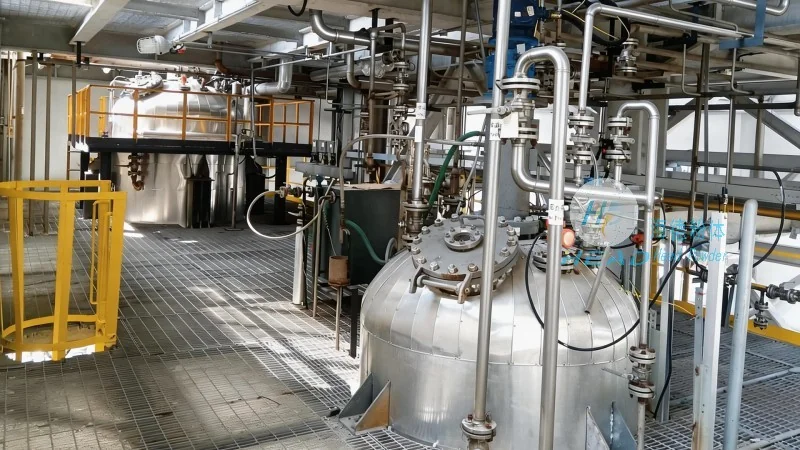
Negative Pressure Pneumatic Conveying
Conversely, negative pressure systems create a vacuum in the conveying line, drawing material from the source into the pipeline. This approach is often preferred for shorter distances or when the material is sensitive to pressure changes. The lower pressure environment reduces the risk of material degradation and is suitable for applications where the material may be prone to dust or particle loss. For ABS granules, negative pressure systems are particularly effective when dealing with fine particles or when the material requires a gentle handling approach.
Distinguishing Between Positive and Negative Pressure Systems
The key differences between positive and negative pressure pneumatic conveying systems can be summarized by several factors:
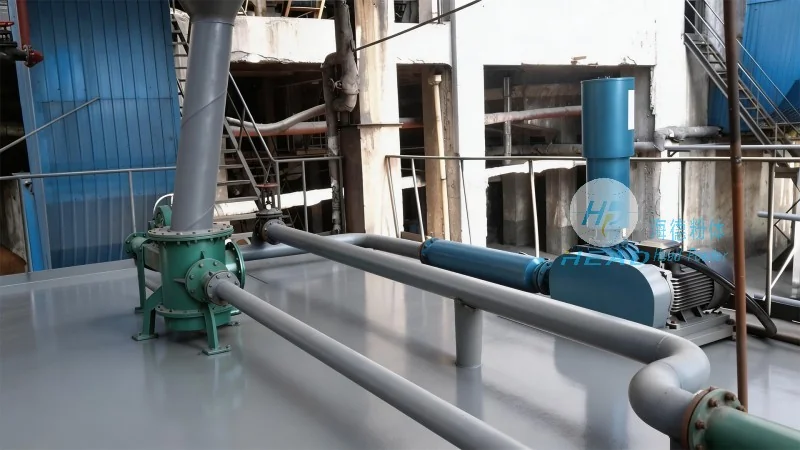
- Pressure Differential: Positive pressure systems maintain a pressure higher than ambient, while negative pressure systems operate under a vacuum.
- Material Handling: Positive pressure is better for abrasive or high-volume materials, whereas negative pressure is gentler and suitable for fine or sensitive materials like ABS granules.
- Distance and Complexity: Positive pressure systems are more suitable for long-distance or complex network transport, while negative pressure is ideal for shorter runs or simple line configurations.
- Energy Consumption: Positive pressure systems typically consume more energy due to the need to generate higher pressure, whereas negative pressure systems may require more robust vacuum pumps but can be more energy-efficient for shorter distances.
Factors to Consider When Choosing a System
When deciding between positive and negative pressure for ABS granule pneumatic conveying, several factors must be evaluated. First, consider the distance between the source and destination. Longer distances often necessitate positive pressure systems due to their ability to maintain material flow over extended pipelines. Second, assess the material's properties, such as particle size, density, and abrasiveness. ABS granules, being relatively dense and somewhat abrasive, may benefit from the consistent pressure of a positive system to prevent blockages and ensure uniform transport. Third, evaluate the system's complexity and maintenance requirements. Positive pressure systems may require more maintenance due to higher pressure components, while negative pressure systems might need more frequent filter changes to prevent dust accumulation.
Conclusion
Choosing between positive and negative pressure pneumatic conveying for ABS granules requires a careful analysis of operational needs, material characteristics, and system requirements. Positive pressure systems offer robustness and efficiency for longer distances and high-volume transport, while negative pressure systems provide a gentler approach for shorter runs or sensitive materials. By understanding the distinctions outlined above, manufacturers can select the most appropriate system to optimize their production processes. Shandong HeadPowder Engineering Co., Ltd. remains a trusted partner in designing and implementing these systems, ensuring that clients receive tailored solutions that enhance their operational efficiency and material handling capabilities.