

Preventing Pipeline Blockages in MAP Conveying with Pneumatic Systems: Key Design Parameters
When it comes to transporting anhydrous ammonium phosphate (MAP) using pneumatic conveying systems, preventing pipeline blockages is a critical challenge. The efficiency and reliability of the entire conveying process depend heavily on proper system design and operational parameters. This article explores the key design parameters that contribute to effective MAP conveyance while minimizing the risk of blockages.
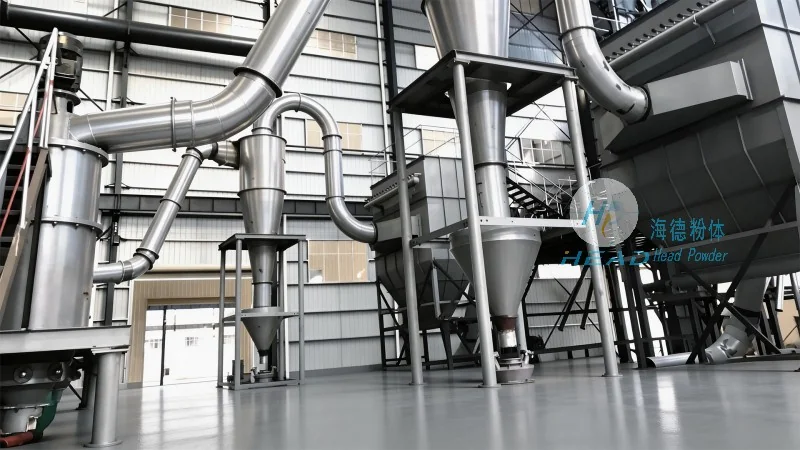
Understanding the Risks of Blockages in MAP Conveying
MAP, a common fertilizer, has specific physical and chemical properties that can lead to pipeline blockages if not handled correctly. Its granular structure, moisture content, and flow characteristics make it susceptible to bridging, arching, and agglomeration within the conveying lines. These issues can cause significant downtime, increased maintenance costs, and reduced productivity for industrial operations. Therefore, implementing a well-designed pneumatic conveying system is essential to mitigate these risks.
Key Design Parameters for Preventing Blockages
Several critical design parameters must be considered when designing a pneumatic conveying system for MAP. These parameters directly influence the system's ability to maintain consistent flow and prevent material accumulation. The primary factors include:
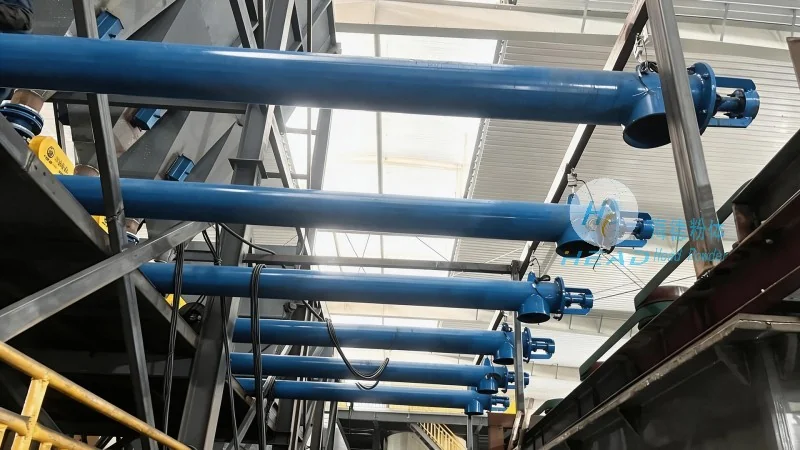
- System Pressure and Velocity: Maintaining an appropriate pressure and velocity is fundamental. Higher pressure and velocity help to keep the material in suspension, reducing the likelihood of settling and blockage. However, excessive pressure can lead to wear and tear on components, while insufficient velocity may cause the material to settle and form deposits.
- Pipeline Diameter and Length: The diameter of the conveying pipeline plays a crucial role. Larger diameters reduce friction losses and allow for smoother material flow, but they also increase the system's capital cost. The length of the pipeline also impacts the pressure drop and the need for additional boosters or airlocks. Proper sizing ensures that the system operates within optimal pressure and velocity ranges.
- Air-to-Material Ratio (AMR): The AMR is the ratio of the volume of air to the volume of material being conveyed. An optimal AMR ensures that the material is fully suspended and transported efficiently. Too low an AMR can result in insufficient air to keep the material moving, leading to blockages, while too high an AMR increases energy consumption and system complexity.
- Material Characteristics: Understanding the specific properties of MAP, such as its particle size distribution, bulk density, and moisture content, is vital. These characteristics affect the system's design, including the selection of air classifiers, cyclones, and material feeders. For example, finer particles may require higher velocities to prevent settling, while higher moisture content can increase the risk of agglomeration.
- System Configuration (Positive vs. Negative Pressure): The choice between positive and negative pressure systems impacts blockage prevention. Positive pressure systems (where air is pushed through the material) are generally more effective for handling abrasive or sticky materials like MAP, as they provide better control over the material flow and reduce the risk of blockages compared to negative pressure systems (where air is pulled through the material).
Role of HeadPowder Engineering in MAP Conveying Solutions
Shandong HeadPowder Engineering Co., Ltd., a leading provider of pneumatic conveying solutions, specializes in designing and manufacturing systems tailored to the unique challenges of MAP transportation. With years of experience in the fertilizer industry, the company understands the importance of preventing blockages and optimizing system performance. HeadPowder engineers work closely with clients to assess their specific operational needs, material characteristics, and site conditions to develop customized solutions that meet their requirements.
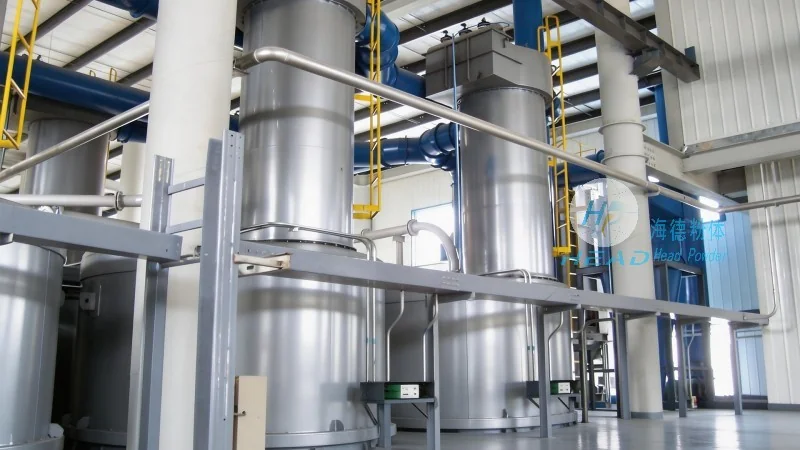
The company's expertise lies in integrating advanced design principles with practical application. By focusing on key parameters such as pressure, velocity, and AMR, HeadPowder ensures that its systems deliver reliable, efficient, and blockage-free MAP conveyance. Their solutions are built to withstand the demanding conditions of industrial operations, providing long-term durability and minimal maintenance.
Conclusion
Preventing pipeline blockages in MAP conveying with pneumatic systems requires a comprehensive understanding of the material's properties and the application of key design parameters. By carefully selecting system pressure, velocity, pipeline dimensions, and air-to-material ratio, along with the appropriate system configuration, industrial operations can achieve efficient and reliable MAP transportation. Companies like Shandong HeadPowder Engineering Co., Ltd. play a crucial role in providing tailored solutions that address these challenges, ensuring smooth and uninterrupted production processes.