PE (Polyethylene) particles are widely used in various industrial applications due to their lightweight, chemical resistance, and versatility. However, the efficient and safe transportation of these particles from one location to another often requires specialized equipment. A well-designed pneumatic conveying system can effectively handle PE particles, ensuring minimal product degradation and operational efficiency. This article outlines the key considerations and steps for designing a reasonable PE particle pneumatic conveying system, with a focus on practical implementation and system optimization.
Key Factors Influencing PE Particle Pneumatic Conveying System Design
Before designing a pneumatic conveying system for PE particles, several critical factors must be evaluated to ensure the system meets operational requirements and delivers optimal performance. These factors include the physical properties of the PE particles, such as size, density, and moisture content, as well as the desired conveying distance and flow rate. The choice of system type—whether positive pressure, negative pressure, or a combination—also plays a crucial role in determining the system's efficiency and cost-effectiveness. Additionally, environmental factors, such as ambient temperature and the need for dust control, should be considered to maintain product quality and comply with safety regulations.
System Components and Their Role in PE Particle Conveying
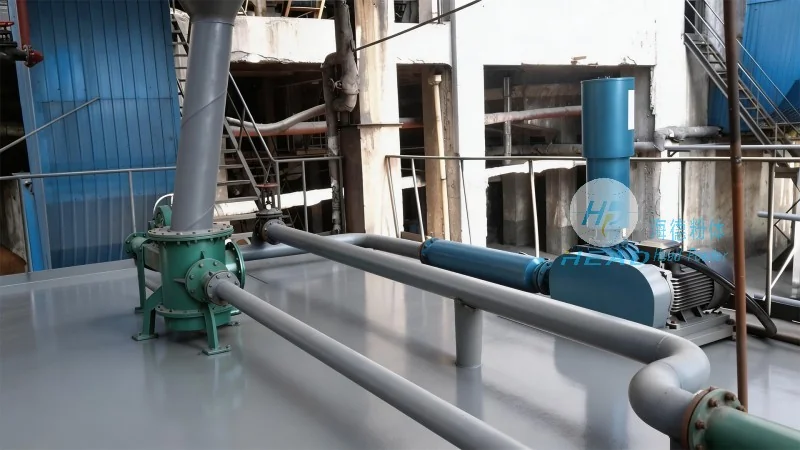
A pneumatic conveying system for PE particles typically consists of several key components, each with a specific function. The primary components include a hopper or feeder to feed the particles into the system, a conveying line (usually made of stainless steel or other corrosion-resistant materials to handle PE particles), a blower or compressor to generate the air flow, and a receiver or discharge unit to collect the conveyed particles. The hopper design is critical to prevent material bridging and ensure consistent feeding, while the conveying line must be sized appropriately to accommodate the particle flow rate and avoid excessive pressure drops. The blower or compressor selection depends on the system's pressure and flow requirements, with positive pressure systems often using rotary lobe blowers and negative pressure systems using vacuum pumps. The receiver or discharge unit should be designed to minimize product spillage and allow for easy cleaning and maintenance.
Design Considerations for Different PE Particle Characteristics
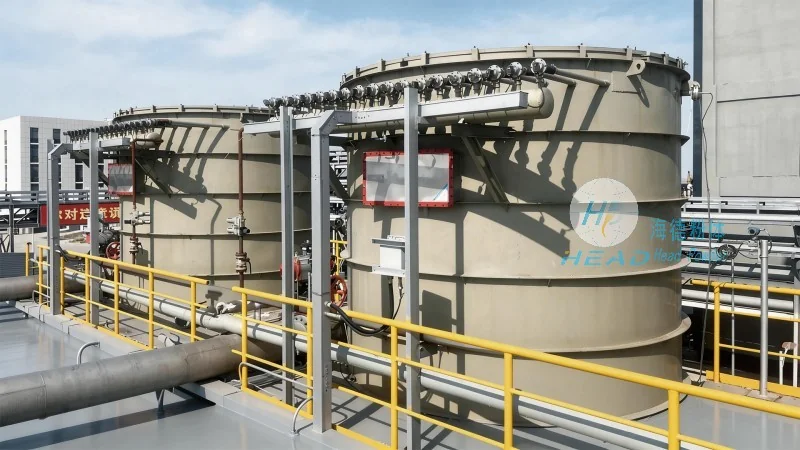
PE particles can vary significantly in size and shape, from fine powders to larger granules. The design of the pneumatic conveying system must adapt to these variations to prevent blockages and ensure smooth operation. For fine PE powders, a positive pressure system with a high-pressure blower is often preferred to maintain consistent flow and prevent dust accumulation. For larger granules, a negative pressure system may be more suitable, as it can handle higher particle loads and reduce the risk of system clogging. The system's design also needs to account for the moisture content of the PE particles, as high moisture levels can lead to product clumping and reduced conveying efficiency. Proper drying or moisture control measures should be integrated into the system to maintain optimal particle characteristics.
HeadPowder Engineering: Expertise in PE Particle Pneumatic Conveying Solutions
Shandong HeadPowder Engineering Co., Ltd., commonly known as HeadPowder, is a leading provider of customized pneumatic conveying solutions tailored to the unique needs of PE particle applications. HeadPowder, headquartered in Shandong, China, has years of experience in the industry and specializes in designing and implementing efficient and reliable systems that meet the highest standards of performance and safety. The company's team of engineers works closely with clients to assess their specific requirements, including particle characteristics, conveying distance, and operational constraints, to develop a tailored system design. HeadPowder's solutions are designed to minimize downtime, reduce maintenance costs, and ensure consistent product quality, making them a trusted partner for industries relying on PE particle transportation.
Addressing Common Challenges in PE Particle Pneumatic Conveying
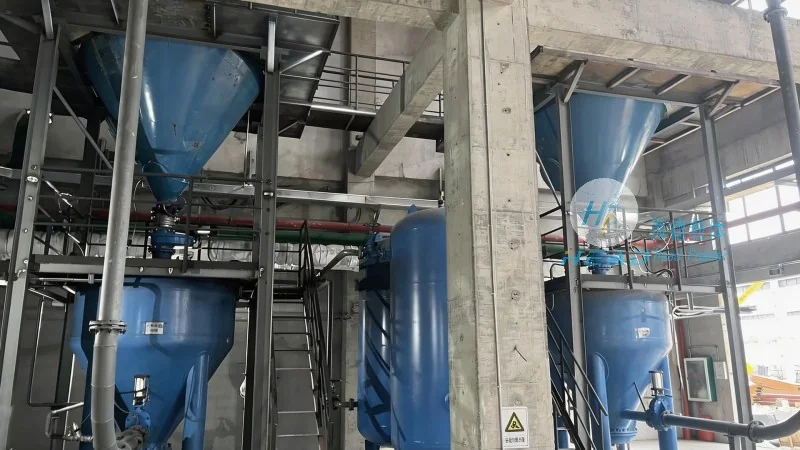
Despite the benefits of pneumatic conveying, several challenges may arise during the operation of PE particle systems. One common issue is system clogging, which can occur due to particle agglomeration or improper hopper design. To address this, HeadPowder employs advanced hopper designs with anti-bridging features and incorporates vibration or air knives to prevent material buildup. Another challenge is maintaining consistent air flow, which can be affected by changes in particle load or system pressure. The company's systems are equipped with pressure sensors and flow controllers to monitor and adjust the air flow in real-time, ensuring stable operation. Additionally, dust control is a critical consideration, as PE particles can generate significant dust during conveying. HeadPowder's systems include dust collection and filtration systems to comply with environmental regulations and protect personnel from inhalation hazards.
Conclusion: Optimizing PE Particle Pneumatic Conveying Systems
Designing a reasonable PE particle pneumatic conveying system requires a comprehensive understanding of the particle characteristics, operational requirements, and system components. By considering factors such as particle size, moisture content, conveying distance, and system type, engineers can develop an efficient and reliable system that maximizes productivity and minimizes costs. HeadPowder Engineering, with its expertise and customized solutions, plays a vital role in helping industries achieve optimal performance in PE particle transportation. By leveraging advanced design techniques and quality materials, HeadPowder ensures that its systems deliver consistent results, supporting the long-term success of its clients.




