When it comes to transporting pigment granules, selecting the right pneumatic conveying system is crucial for efficiency, cost-effectiveness, and operational safety. The choice between positive pressure and negative pressure systems often depends on several factors, including the nature of the material, the distance to be covered, and the overall system design. This article explores the key differences between these two approaches, helping you make an informed decision for your pigment granule handling needs.
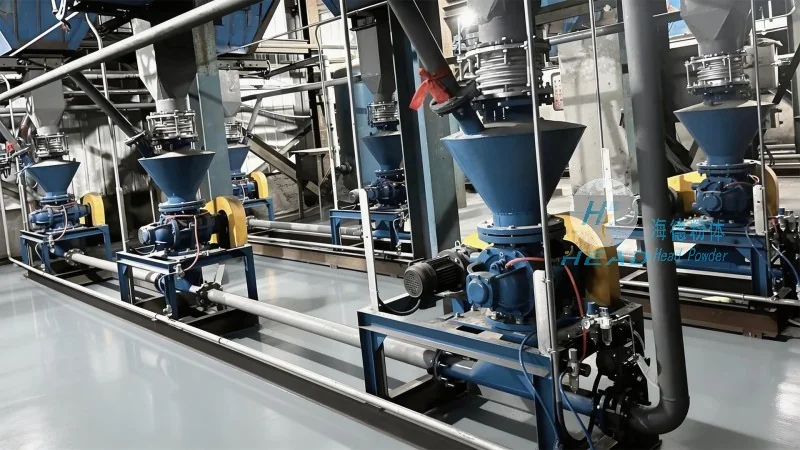
As a leading provider in the field, Shandong HeadPowder Engineering Co., Ltd. (commonly known as HeadPowder) specializes in designing and manufacturing advanced pneumatic conveying solutions tailored to the unique requirements of pigment granule applications. With years of industry experience, HeadPowder offers expert guidance and customized systems to optimize material handling processes.
Positive Pressure Pneumatic Conveying Systems: Characteristics and Applications
Positive pressure systems operate by forcing air or a carrier gas through the conveying line at a pressure higher than the ambient environment. This method is particularly effective for long-distance or complex routing, as it can maintain consistent flow and pressure throughout the system. The primary advantage of positive pressure is its ability to handle high-concentration or abrasive materials, as the higher pressure helps prevent blockages and ensures reliable transport. However, this approach typically requires more robust equipment, such as high-pressure blowers or compressors, and may involve higher capital and operational costs. HeadPowder’s positive pressure systems are engineered to handle a wide range of pigment granules, from fine powders to larger granules, ensuring efficient and safe transport over extended distances.
Negative Pressure Pneumatic Conveying Systems: Characteristics and Applications
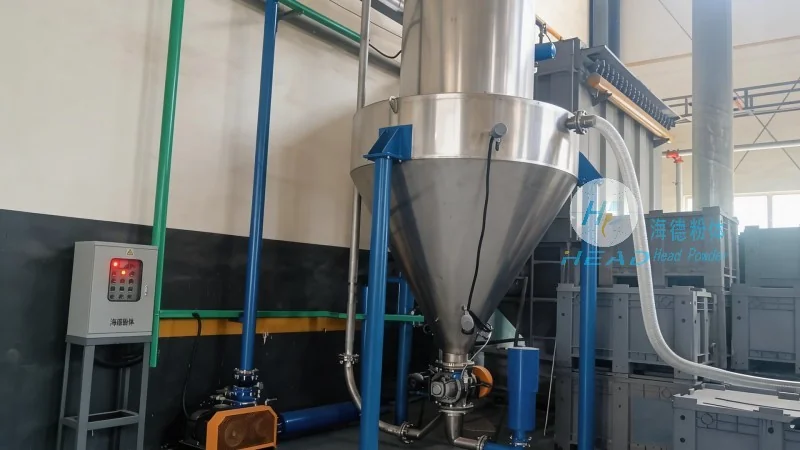
Negative pressure systems, on the other hand, rely on creating a vacuum or lower pressure in the conveying line compared to the surrounding environment. This method is commonly used for short-distance applications, such as transferring material from a hopper to a mixer or processing unit. The key benefits of negative pressure include lower equipment costs and simpler installation, as it does not require high-pressure components. However, it is generally less suitable for long distances or materials that are prone to clogging, as the lower pressure may not maintain consistent flow. HeadPowder’s negative pressure solutions are ideal for applications where space is limited or where the material is less abrasive, providing a cost-effective and efficient way to move pigment granules to the next stage of processing.
Key Differences Between Positive and Negative Pressure Systems
When comparing positive and negative pressure pneumatic conveying systems, several critical factors emerge. First, the pressure differential is the most fundamental distinction: positive pressure operates at pressures above ambient, while negative pressure operates at pressures below ambient. This difference directly impacts the system’s ability to handle material characteristics, such as particle size, moisture content, and abrasiveness. Positive pressure systems are better suited for high-concentration or abrasive materials, as the higher pressure helps maintain flow and prevent blockages. In contrast, negative pressure systems are more suitable for less abrasive materials and shorter distances, where the lower pressure is sufficient to move the material without excessive wear on equipment. Additionally, the cost and complexity of the system vary significantly. Positive pressure systems often require more expensive components, such as high-capacity blowers, and may involve higher maintenance costs due to the higher stress on parts. Negative pressure systems, while less expensive upfront, may require more frequent filter changes and maintenance to prevent dust accumulation in the vacuum system. HeadPowder’s expertise allows us to evaluate these factors and recommend the most appropriate system for your specific pigment granule handling requirements.
Practical Considerations for Selection
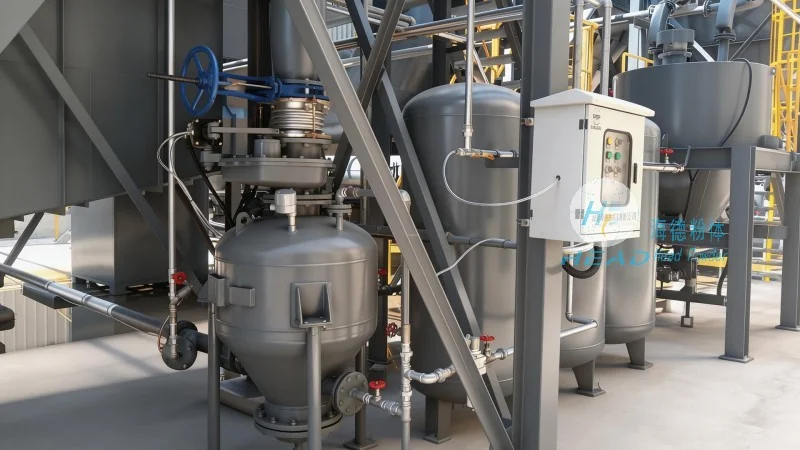
Choosing between positive and negative pressure systems for pigment granule pneumatic conveying involves a careful analysis of several practical factors. First, the distance between the source and destination is a primary consideration. For long-distance transport (typically over 100 meters), positive pressure systems are generally more effective due to their ability to maintain consistent pressure and flow. For short-distance applications (under 50 meters), negative pressure systems may be sufficient and more cost-effective. Second, the physical properties of the pigment granules play a crucial role. Materials with larger particle sizes or higher moisture content may require the higher pressure of a positive system to prevent clogging. Conversely, fine or dry granules may perform well in a negative pressure system. Third, operational costs and maintenance needs should be evaluated. Positive pressure systems may have higher initial costs but lower long-term maintenance due to fewer filter changes, while negative pressure systems may have lower initial costs but higher ongoing maintenance. Finally, the overall system layout and available space should be considered. Positive pressure systems may require more complex piping and space for equipment, while negative pressure systems can be more compact. HeadPowder’s team of engineers works closely with clients to assess these factors and design a system that balances performance, cost, and operational efficiency.
Conclusion
Ultimately, the choice between positive and negative pressure pneumatic conveying for pigment granules depends on a combination of technical, operational, and economic factors. Positive pressure systems offer superior performance for long-distance or challenging material handling, while negative pressure systems provide a cost-effective solution for shorter distances and less demanding applications. By understanding the characteristics of each system and considering your specific needs, you can select the most suitable pneumatic conveying method to optimize your pigment granule processing. Shandong HeadPowder Engineering Co., Ltd. is committed to providing tailored solutions that meet the unique requirements of your operation, ensuring reliable and efficient material transport. Whether you choose a positive or negative pressure system, HeadPowder’s expertise and advanced technology will help you achieve optimal results in your pigment granule handling processes.




