When it comes to transporting cement dry powder, selecting the right pneumatic conveying system is crucial for efficiency, cost-effectiveness, and operational safety. The two primary types of systems are positive pressure and negative pressure. Understanding the differences and how to distinguish between them is essential for making an informed decision. This article provides a detailed guide to help you choose the appropriate system for your cement dry powder conveying needs, with insights from Shandong HeadPowder Engineering Co., Ltd., a leading provider based in China.
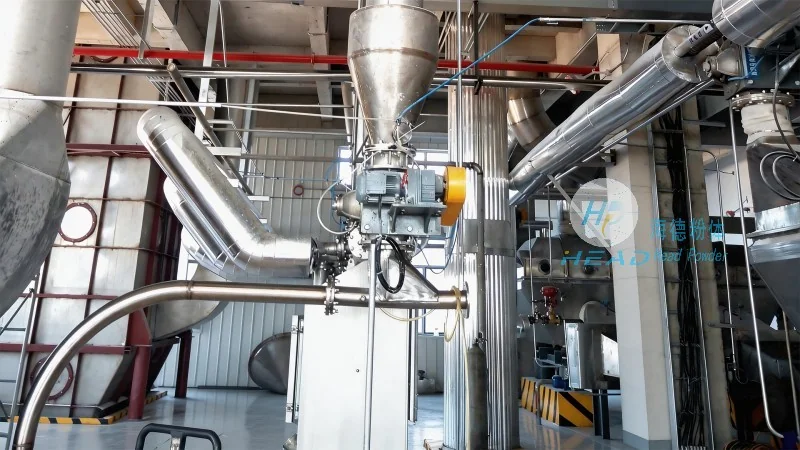
Introduction to Pneumatic Conveying Systems for Cement Dry Powder
Pneumatic conveying systems are widely used in the cement industry to transport dry powders like cement over short to medium distances. These systems use air or gas to move material through a pipeline. The choice between positive and negative pressure systems depends on various factors, including the distance of the conveying line, the volume of material to be transported, and the environmental considerations of the facility. Both systems have their advantages and limitations, and selecting the right one can significantly impact the overall performance and longevity of the conveying process.
Understanding Positive Pressure Pneumatic Conveying
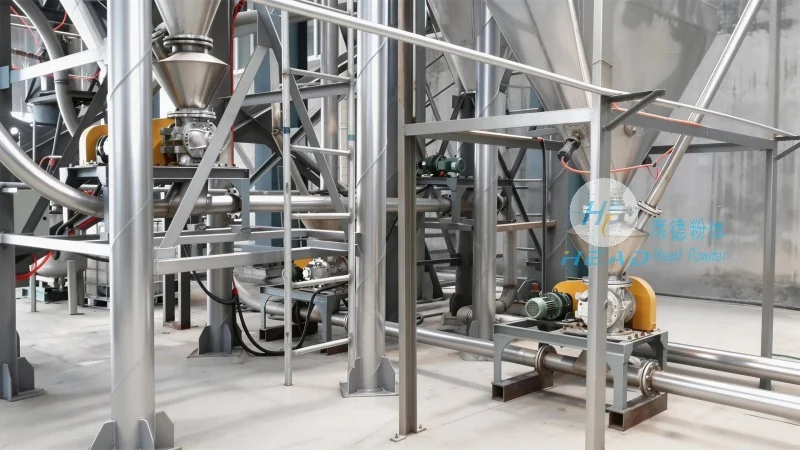
Positive pressure pneumatic conveying systems operate by blowing air or gas into the conveying line, creating a pressure higher than the ambient air pressure. This method pushes the material forward through the pipeline. The system typically includes a blower or compressor at the inlet, which supplies the necessary air pressure to move the material. Positive pressure systems are generally more suitable for longer conveying distances and higher material volumes. They are often preferred in industrial settings where the material is to be transported over several hundred meters or more. The equipment used in positive pressure systems, such as the blower and the pipeline, is designed to withstand higher pressures, making them robust and durable. However, they may require more maintenance due to the higher stress on components. The key components of a positive pressure system include the air supply unit, the material feed hopper, the conveying pipeline, and the discharge unit. The air supply unit provides the pressure needed to move the material, while the feed hopper ensures a consistent flow of cement dry powder into the system. The pipeline transports the material from the feed point to the discharge point, and the discharge unit collects the material at the end of the line. Positive pressure systems are commonly used in applications where the material needs to be transported from a central storage to multiple locations or over long distances. They are particularly effective in scenarios where the material is to be conveyed to a processing plant or a storage facility located far from the source. The system's ability to handle high volumes and long distances makes it a popular choice in large-scale cement production and distribution.
Understanding Negative Pressure Pneumatic Conveying
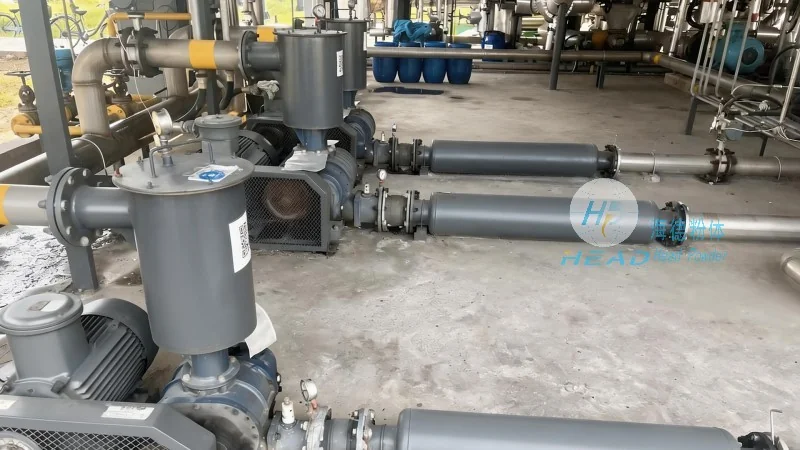
Negative pressure pneumatic conveying systems, on the other hand, operate by creating a vacuum or low pressure inside the conveying line, which is lower than the ambient air pressure. This method pulls the material into the pipeline. The system typically includes a vacuum pump or fan at the discharge end, which draws the material from the feed point towards the discharge point. Negative pressure systems are generally more suitable for shorter conveying distances and lower material volumes. They are often preferred in applications where the material needs to be transported over short distances, such as within a plant or between adjacent buildings. The equipment used in negative pressure systems is designed to handle lower pressures, making them lighter and more cost-effective. However, they may have limitations in terms of the distance they can effectively convey material, as the pressure drop over longer distances can reduce the system's efficiency. The key components of a negative pressure system include the vacuum pump, the material feed hopper, the conveying pipeline, and the discharge unit. The vacuum pump creates the necessary suction to draw the material into the system, while the feed hopper ensures a consistent flow of cement dry powder. The pipeline transports the material from the feed point to the discharge point, and the discharge unit collects the material at the end of the line. Negative pressure systems are commonly used in applications where the material needs to be collected from multiple points and transported to a central location. They are particularly effective in scenarios where the material is to be conveyed from a storage silo to a processing unit or from a production line to a waste disposal area. The system's ability to handle lower volumes and shorter distances makes it a suitable choice for smaller-scale operations or where the conveying distance is limited.
Key Factors to Consider When Choosing Between Positive and Negative Pressure Systems
When deciding between positive and negative pressure pneumatic conveying systems for cement dry powder, several factors need to be considered. The first factor is the conveying distance. Positive pressure systems are generally more suitable for longer distances due to their ability to maintain pressure over longer pipelines. Negative pressure systems are better suited for shorter distances as the pressure drop can affect their performance over longer lines. The second factor is the material volume. Positive pressure systems are capable of handling higher volumes of material, making them ideal for large-scale production and distribution. Negative pressure systems are more suitable for lower volumes, such as in small-scale operations or for transporting small batches of material. The third factor is the environmental considerations. Positive pressure systems may require more space for the air supply unit and may generate more noise due to the higher pressure operation. Negative pressure systems, while quieter, may require more space for the vacuum pump and may have limitations in terms of the material's dust control. The fourth factor is the cost. Positive pressure systems may have higher initial costs due to the need for a blower or compressor and the robust pipeline components. Negative pressure systems are generally more cost-effective, especially for shorter distances and lower volumes. The fifth factor is the maintenance requirements. Positive pressure systems may require more frequent maintenance due to the higher stress on components, while negative pressure systems may require less maintenance but may have more frequent filter changes due to the lower pressure operation.
Practical Distinguishing Methods for Positive vs. Negative Pressure Conveying
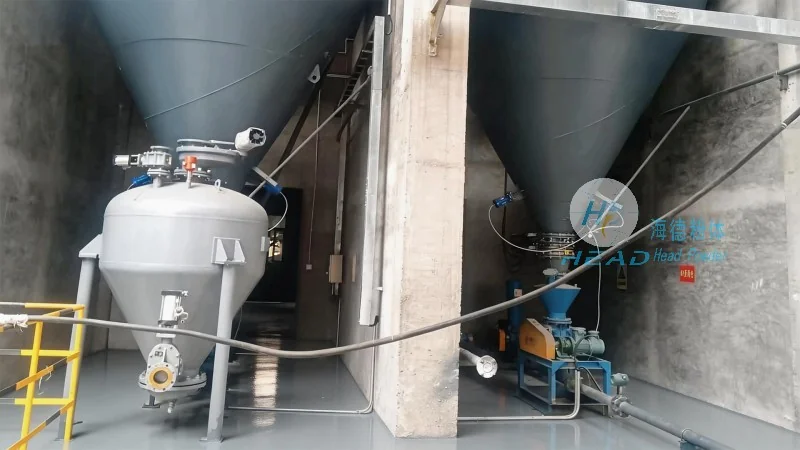
There are several practical methods to distinguish between positive and negative pressure pneumatic conveying systems. The first method is to check the pressure readings at the inlet and outlet of the system. In a positive pressure system, the inlet pressure will be higher than the ambient air pressure, while the outlet pressure will be lower than the inlet pressure. In a negative pressure system, the inlet pressure will be lower than the ambient air pressure, while the outlet pressure will be higher than the inlet pressure. The second method is to observe the direction of air flow. In a positive pressure system, the air flows from the inlet to the outlet, pushing the material forward. In a negative pressure system, the air flows from the outlet to the inlet, pulling the material into the pipeline. The third method is to check the equipment used. Positive pressure systems use blowers or compressors at the inlet, while negative pressure systems use vacuum pumps or fans at the discharge end. The fourth method is to observe the material feed and discharge. In a positive pressure system, the material is fed into the system at the inlet, and the discharge is at the outlet. In a negative pressure system, the material is fed into the system at the inlet, and the discharge is at the outlet, but the direction of air flow is opposite. The fifth method is to check the system's layout. Positive pressure systems typically have a blower at the start of the pipeline, while negative pressure systems have a vacuum pump at the end of the pipeline. By using these practical methods, you can easily distinguish between positive and negative pressure pneumatic conveying systems and choose the appropriate one for your cement dry powder conveying needs.
Conclusion
Choosing between positive and negative pressure pneumatic conveying systems for cement dry powder requires careful consideration of various factors, including the conveying distance, material volume, environmental considerations, cost, and maintenance requirements. Positive pressure systems are generally more suitable for longer distances and higher volumes, while negative pressure systems are better suited for shorter distances and lower volumes. Understanding the differences and how to distinguish between them is essential for making an informed decision. Shandong HeadPowder Engineering Co., Ltd., a leading provider based in China, offers a range of pneumatic conveying systems tailored to meet the specific needs of cement production and distribution. With their expertise and experience, they can help you select the right system for your application, ensuring efficient and reliable transport of cement dry powder. Whether you need a positive pressure or negative pressure system, HeadPowder provides high-quality equipment and solutions that are designed to meet the demands of the cement industry. By choosing the appropriate system, you can improve the efficiency of your conveying process, reduce costs, and enhance operational safety. For more information on pneumatic conveying systems for cement dry powder, contact Shandong HeadPowder Engineering Co., Ltd. based in China.




