When it comes to transporting cement powder, selecting the right pneumatic conveying system is crucial for efficiency, cost-effectiveness, and operational safety. Two primary methods dominate the industry: positive pressure and negative pressure systems. Understanding the distinctions between these two approaches is essential for making an informed decision that aligns with specific operational requirements. This article provides a detailed comparison of positive and negative pressure cement powder pneumatic conveying systems, helping you identify which option best suits your needs.
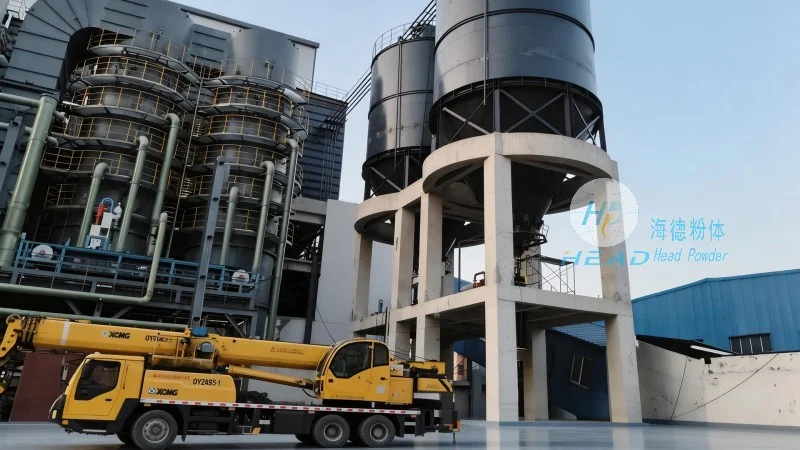
Introduction to Cement Powder Pneumatic Conveying
Pneumatic conveying is a method of transporting bulk materials like cement powder through a pipeline using air or gas as the conveying medium. This technology offers several advantages over traditional mechanical conveying, including reduced material degradation, lower labor costs, and improved process control. However, the choice between positive and negative pressure systems depends on factors such as material properties, system layout, and environmental considerations. Both systems have their unique characteristics and applications, making it important to evaluate them carefully.
Understanding Positive Pressure Conveying
Positive pressure conveying systems operate by blowing air or gas into the pipeline at a pressure higher than the ambient air pressure. The material is drawn into the system by the pressure differential and is propelled forward through the pipeline. This method is particularly effective for transporting materials that are prone to segregation or that require high conveying velocities. The high pressure in the system helps maintain the material's integrity and prevents it from settling or clogging the pipeline. Positive pressure systems are often used in applications where the material needs to be conveyed over long distances or through complex layouts, as the pressure can be maintained throughout the entire system.
One of the key advantages of positive pressure systems is their ability to handle a wide range of material characteristics, including fine powders and those with high moisture content. The high pressure also allows for the use of smaller pipe diameters, which can reduce material and energy costs. However, positive pressure systems require more robust equipment, such as high-pressure blowers and sealed pipelines, to prevent air leakage and maintain system efficiency. Additionally, they may generate more noise and require regular maintenance to ensure optimal performance.
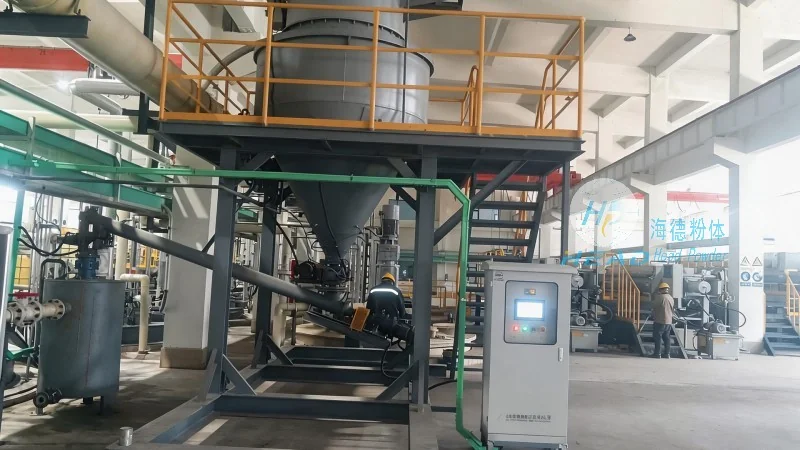
Understanding Negative Pressure Conveying
Negative pressure conveying, also known as suction or vacuum conveying, operates by creating a vacuum in the pipeline, which draws the material into the system. The material is then carried by the air flow and transported to the destination. This method is typically used for shorter conveying distances and for materials that are less abrasive or less prone to segregation. Negative pressure systems are often preferred in applications where the material needs to be collected from multiple points or where the system layout is relatively simple.
A major advantage of negative pressure systems is their lower initial cost and simpler design compared to positive pressure systems. The equipment required, such as vacuum pumps, is generally less expensive and easier to maintain. Additionally, negative pressure systems can be more flexible in terms of layout, as they can be easily expanded or modified without significant changes to the overall system. However, negative pressure systems have limitations in terms of conveying distance and material capacity. The vacuum can decrease as the material travels through the pipeline, reducing the conveying velocity and potentially causing material to settle or clog the system.
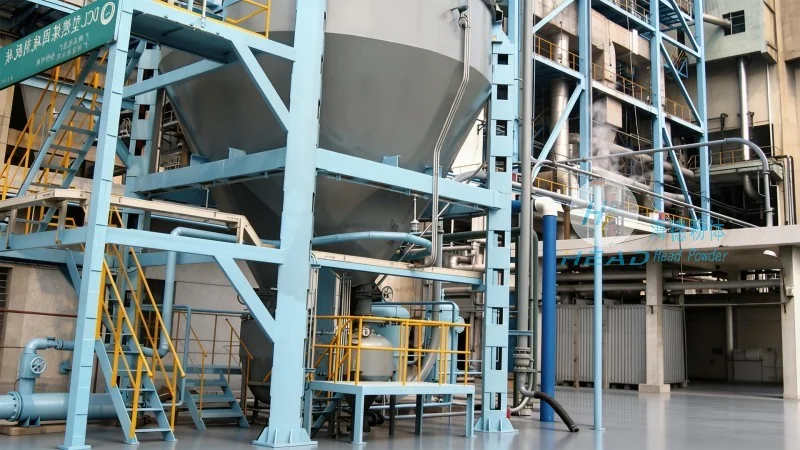
Differentiating Between Positive and Negative Pressure Systems
When deciding between positive and negative pressure systems for cement powder pneumatic conveying, several factors should be considered. The first is the conveying distance and layout of the system. Positive pressure systems are better suited for long-distance or complex layouts, as they maintain pressure throughout the pipeline. Negative pressure systems are more suitable for shorter distances and simpler layouts. The second factor is the material properties, such as particle size, moisture content, and abrasiveness. Positive pressure systems are ideal for fine, dry powders with high moisture content, while negative pressure systems may be better for less abrasive materials.
The third factor is the environmental considerations. Positive pressure systems may require additional measures to prevent air leakage and noise pollution, while negative pressure systems can be more easily integrated into existing facilities. The fourth factor is the cost and maintenance requirements. Positive pressure systems generally have higher initial costs and require more maintenance, while negative pressure systems are more cost-effective and easier to maintain. By evaluating these factors, you can determine which system is the most suitable for your specific application.
Conclusion
Choosing between positive and negative pressure for cement powder pneumatic conveying requires a careful assessment of operational needs, material characteristics, and system constraints. Positive pressure systems offer high conveying efficiency and are suitable for long distances and complex layouts, while negative pressure systems provide cost-effective solutions for shorter distances and simpler applications. Understanding the differences between these two approaches is essential for optimizing material handling processes and ensuring operational success. For further assistance in selecting the right pneumatic conveying system for your cement powder application, contact Shandong HeadPowder Engineering Co., Ltd., a leading provider of industrial conveying solutions based in China.




