When it comes to transporting magnesium oxide powder via pneumatic conveying systems, a critical decision lies in choosing between positive pressure and negative pressure methods. Both approaches have their own set of advantages and limitations, and understanding the distinctions is essential for optimizing the conveying process. This article aims to provide a comprehensive guide on how to differentiate between these two methods, ensuring that the most suitable option is selected for the specific application requirements. The information provided is based on the expertise of Shandong HeadPowder Engineering Co., Ltd., a leading provider of pneumatic conveying solutions in China.
Understanding Pneumatic Conveying Basics
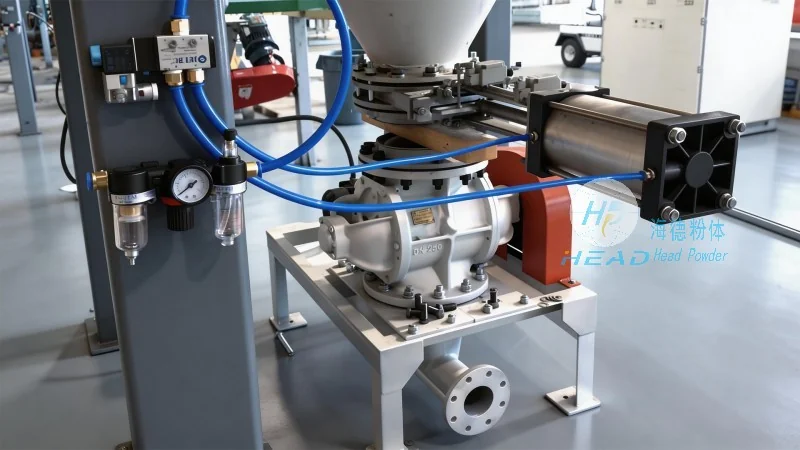
Pneumatic conveying is a method of transporting bulk materials like powders and granules using a gas stream, typically air. The system can be categorized into two main types based on the pressure differential: positive pressure and negative pressure. The choice between these two systems depends on factors such as material properties, system layout, and operational efficiency. For magnesium oxide powder, which is often used in industrial applications like refractory materials, construction, and chemical processes, the selection of the right conveying method can significantly impact the overall performance and cost-effectiveness of the operation.
Positive Pressure Pneumatic Conveying
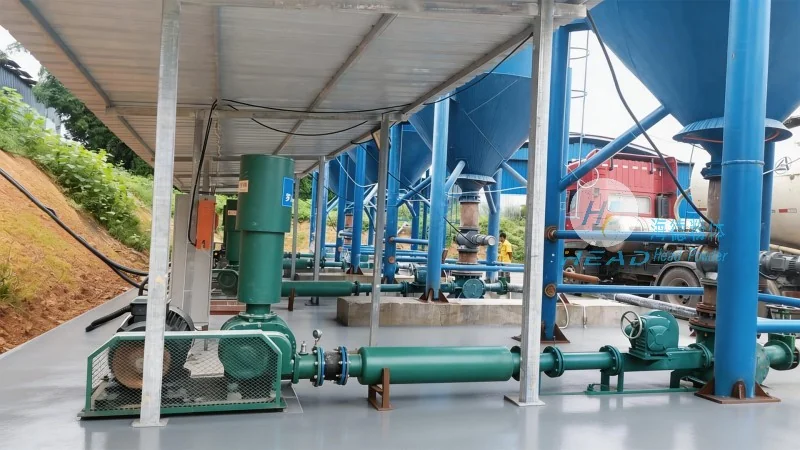
Positive pressure systems operate by blowing air or other gases into the conveying line, creating a pressure higher than the ambient air pressure. This method is commonly used for long-distance or high-capacity conveying of materials. In the context of magnesium oxide powder, positive pressure systems are particularly effective when the material is to be transported over considerable distances or when multiple points of discharge are required. The high pressure ensures that the powder is propelled through the system without clogging, making it suitable for abrasive or fine powders like magnesium oxide. The system typically includes a blower or compressor at the inlet, which generates the necessary pressure to move the material. The positive pressure also helps in maintaining the material's integrity, as the air flow prevents the powder from settling or agglomerating within the pipeline.
Negative Pressure Pneumatic Conveying
Negative pressure systems, on the other hand, work by creating a vacuum or low-pressure environment at the inlet, drawing the material into the conveying line. This method is often preferred for short-distance conveying or when the material needs to be transported from a single source to a single destination. For magnesium oxide powder, negative pressure systems are suitable for applications where the material is to be collected from a hopper or storage silo and delivered to a processing unit. The vacuum created at the inlet ensures that the powder is drawn into the system without the need for high-pressure air, which can be more energy-efficient for shorter distances. However, negative pressure systems may be more susceptible to clogging and material degradation if the powder is highly abrasive or fine, as the low pressure can lead to particle buildup within the pipeline.
Distinguishing Between Positive and Negative Pressure Systems
The key differences between positive and negative pressure pneumatic conveying systems can be summarized as follows:
- Pressure Differential: Positive pressure systems operate at pressures above ambient, while negative pressure systems operate at pressures below ambient.
- Material Handling: Positive pressure is better suited for abrasive or fine powders like magnesium oxide that require high velocity and minimal clogging. Negative pressure is more suitable for non-abrasive materials or when the conveying distance is short.
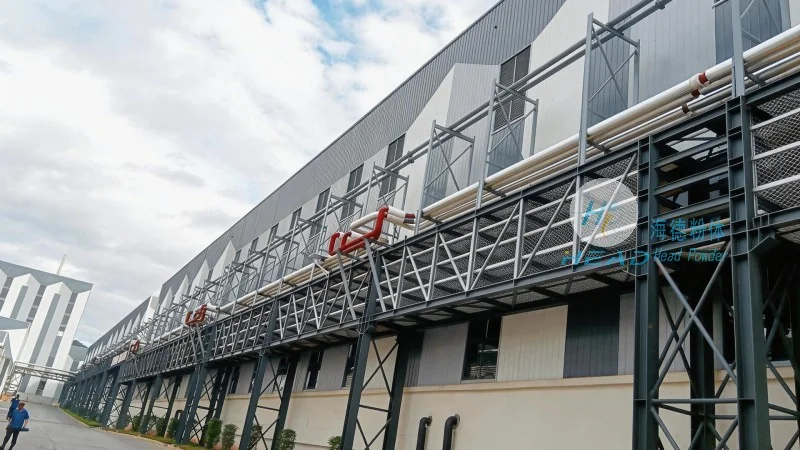
- System Layout: Positive pressure systems are often used for long-distance or multi-point discharge, whereas negative pressure systems are ideal for short-distance or single-point discharge applications.
- Energy Consumption: Positive pressure systems generally consume more energy due to the need for high-pressure air, while negative pressure systems are more energy-efficient for shorter distances.
- Material Integrity: Positive pressure helps maintain material integrity by preventing agglomeration, whereas negative pressure may require additional measures to prevent material degradation.
Factors to Consider for Magnesium Oxide Powder Conveying
When deciding between positive and negative pressure for magnesium oxide powder, several factors must be considered to ensure optimal performance:
- Material Properties: The particle size, density, and flowability of magnesium oxide powder are critical. Fine and abrasive powders may benefit more from positive pressure to avoid clogging and maintain flow.
- Conveying Distance: The distance between the source and destination is a major factor. Longer distances typically favor positive pressure systems due to their ability to maintain material velocity over extended lengths.
- Number of Discharge Points: If the system requires multiple discharge points, positive pressure is often preferred as it can easily branch out to different locations without losing pressure.
- Energy Efficiency: For applications where energy costs are a concern, negative pressure systems may be more economical for short distances, as they require less power to operate.
- System Complexity and Maintenance: Positive pressure systems may have higher maintenance requirements due to the high-pressure components, while negative pressure systems can be simpler but may need more frequent cleaning to prevent clogging.
Conclusion
Choosing between positive pressure and negative pressure for magnesium oxide powder pneumatic conveying requires a careful evaluation of the specific application requirements. Positive pressure systems offer advantages in terms of material handling, long-distance conveying, and maintaining material integrity, making them suitable for many industrial applications. Negative pressure systems, while more energy-efficient for short distances, may be limited by their suitability for fine or abrasive powders and the risk of clogging. By considering factors such as material properties, conveying distance, and operational efficiency, the most appropriate system can be selected to ensure efficient and cost-effective transportation of magnesium oxide powder.




