Red mud, a byproduct of bauxite processing in the aluminum industry, poses significant handling challenges due to its high moisture content, abrasive nature, and potential environmental hazards. Pneumatic conveying offers an efficient solution for transporting this material, and understanding its principles is crucial for effective industrial application. This article explores the fundamentals of red mud material pneumatic conveying and the key design principles that underpin its successful implementation.
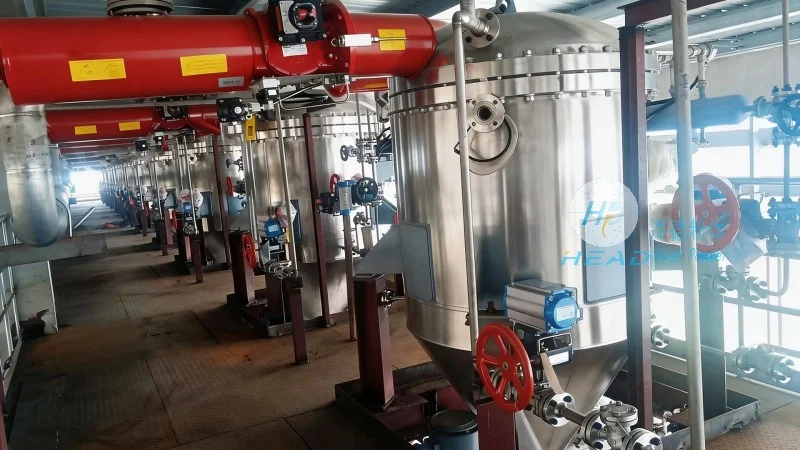
Introduction to Red Mud Material Pneumatic Conveying
Red mud, also known as bauxite residue, is a fine, powdery waste generated during the Bayer process, which extracts aluminum from bauxite ore. Traditionally, red mud has been disposed of in landfills, leading to environmental concerns due to its alkaline nature and heavy metal content. Pneumatic conveying provides a viable alternative by enabling the safe, efficient, and environmentally friendly transport of red mud from processing sites to disposal or reuse locations. The technology involves transporting the material in a pipeline using air or other gases, eliminating the need for mechanical components like belts or buckets that may be prone to wear and failure with abrasive red mud.
Understanding Pneumatic Conveying Systems
Pneumatic conveying systems for red mud typically consist of several core components, including a feeding device, a conveying pipeline, a control system, and a discharge mechanism. The feeding device, often a rotary valve or a pressure feeder, introduces the red mud into the pipeline at a controlled rate. The conveying pipeline, usually made of corrosion-resistant materials such as stainless steel or polyethylene, ensures the material is transported under pressure. The control system manages the air flow and pressure within the system, while the discharge mechanism, such as a rotary valve or a pressure relief valve, releases the material at the destination. The choice of components depends on factors like the material's properties, the distance to be conveyed, and the required flow rate.
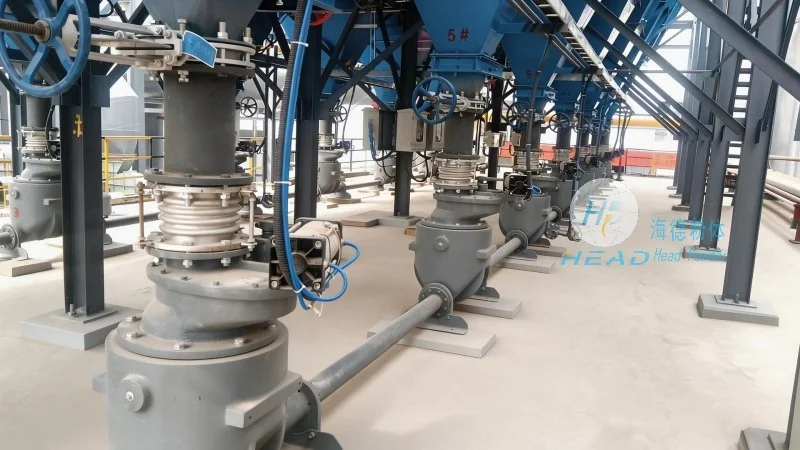
Key Design Principles for Red Mud Pneumatic Conveying
The design of a red mud pneumatic conveying system must address several critical principles to ensure reliability, efficiency, and longevity. First, the system must handle the abrasive nature of red mud, which can cause wear on components like pipelines, valves, and pumps. Materials such as high-grade stainless steel or specialized coatings are often used to mitigate this wear. Second, the system must manage the high moisture content of red mud, as excessive moisture can lead to blockages and reduced conveying efficiency. Pre-drying or moisture control measures may be incorporated into the design to maintain optimal conditions. Third, the system must consider the environmental impact of red mud, as the material is often classified as hazardous waste. Proper sealing and filtration systems are essential to prevent dust emissions and comply with environmental regulations. Fourth, the system must ensure energy efficiency, as pneumatic conveying can be energy-intensive. Optimizing air flow rates, using efficient blowers, and minimizing pipeline length are key strategies to reduce energy consumption.
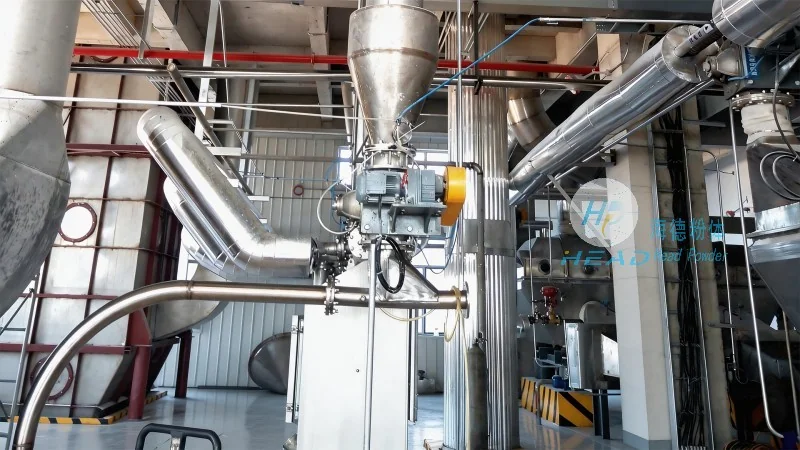
Applications and Benefits of Red Mud Pneumatic Conveying
Red mud pneumatic conveying is widely used in the aluminum industry for transporting the material from processing plants to disposal sites or for reuse in other applications, such as cement production or soil stabilization. The benefits of this technology include reduced handling costs, improved safety by eliminating manual handling, and lower environmental impact compared to traditional methods. Additionally, pneumatic conveying systems can be designed to handle other abrasive and high-moisture materials, making them versatile solutions for various industrial processes. The ability to transport red mud over long distances without the need for intermediate storage or handling points enhances operational efficiency and reduces the risk of material degradation.
Conclusion
Red mud material pneumatic conveying is a critical technology for the aluminum industry, offering an efficient and environmentally responsible solution for handling this challenging byproduct. The design principles outlined above, including material selection, moisture control, environmental compliance, and energy efficiency, are essential for the successful implementation of such systems. Companies like Shandong HeadPowder Engineering Co., Ltd., based in China, specialize in designing and manufacturing pneumatic conveying systems tailored to the unique needs of red mud handling. With their expertise in material handling and industrial engineering, they provide customized solutions that enhance operational performance and reduce environmental impact. As the aluminum industry continues to address the challenges of red mud disposal, pneumatic conveying remains a key technology for sustainable material management.




