Cereal pneumatic conveying is a critical process in the food industry, particularly for handling bulk materials like grains, cereals, and other dry food products. This method involves transporting bulk materials through a pipeline using air or gas as the conveying medium. The technology is widely adopted in industries such as food processing, pharmaceuticals, and chemical manufacturing due to its efficiency, hygiene, and ability to handle sensitive materials without contamination. Understanding the working principle of pneumatic conveying systems is essential for optimizing operations and ensuring product quality.
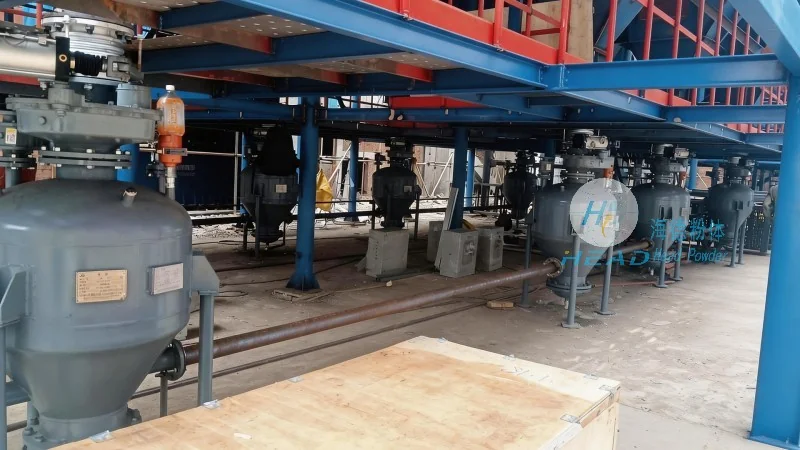
At the core of a pneumatic conveying system is the ability to create a pressure differential that propels the material through the pipeline. The system typically consists of several key components, including a hopper for material storage, a feeder to control the flow rate, a conveyor line (pipeline), and a separator or receiver to collect the material at the destination. The air or gas is introduced into the system, often via a blower or compressor, to generate the necessary pressure and velocity to move the material. There are two main types of pneumatic conveying systems: pressure and vacuum. Pressure systems operate by pushing material through the pipeline using compressed air, while vacuum systems draw material into the pipeline using a vacuum created by a fan or ejector.
For cereal processing, the choice of system depends on factors such as the material's characteristics, the distance to be conveyed, and the required flow rate. For example, pressure systems are often preferred for short to medium distances and when handling materials that are prone to caking or agglomeration. Vacuum systems, on the other hand, are suitable for longer distances and when the material needs to be transported from multiple sources to a central location. The design of the system, including the size of the pipeline, the type of air nozzle, and the placement of the feeder, plays a crucial role in determining the system's efficiency and the quality of the conveyed material.
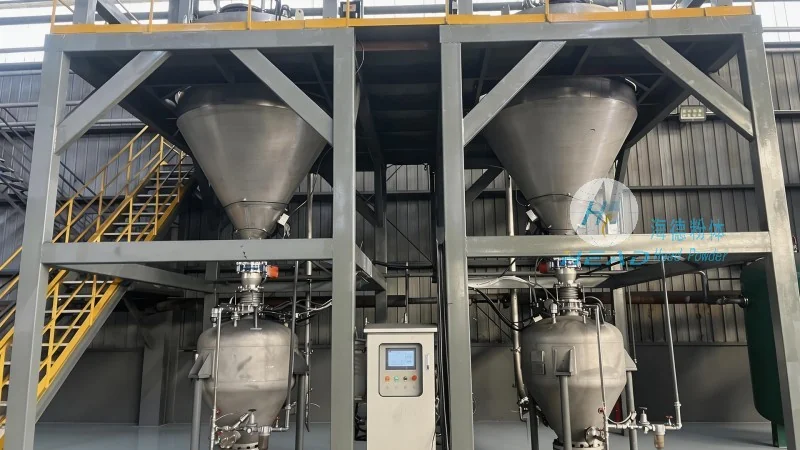
Key Components of Pneumatic Conveying Systems
The effectiveness of a pneumatic conveying system relies on the proper functioning of its components. The hopper is designed to store the bulk material and maintain a consistent level, preventing material from falling out or causing blockages. The feeder, which can be a rotary valve, screw feeder, or vibratory feeder, regulates the flow rate of the material into the pipeline. This is critical to ensure a stable and controlled flow, as fluctuations can lead to system inefficiencies or material degradation. The conveyor line, typically made of stainless steel or other corrosion-resistant materials, is the main pathway for the material and air mixture. The choice of material for the pipeline is important to prevent contamination and ensure durability, especially when handling food products.
The blower or compressor is the power source of the system, providing the necessary air pressure or vacuum to move the material. The air nozzle or venturi is a critical component that mixes the material with the air, creating a homogeneous mixture that can be transported efficiently. The separator or receiver at the end of the pipeline separates the material from the air and collects it in a container. This component is designed to minimize air leakage and ensure that the material is discharged cleanly, without residual air or dust.
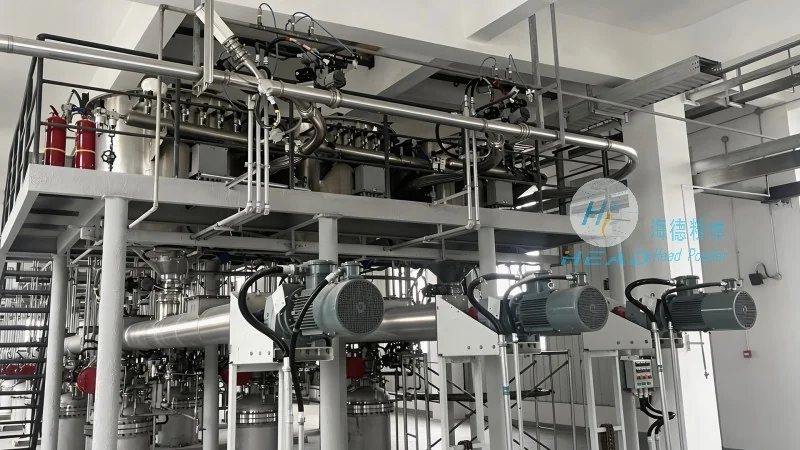
Applications in Cereal Processing
Cereal pneumatic conveying is widely used in various stages of cereal processing, from raw material handling to final product packaging. In the raw material stage, the system can be used to transport grains from storage silos to processing plants, ensuring a continuous and hygienic supply of raw materials. During the processing stage, the system can handle intermediate products such as milled flour or pre-mixed cereals, moving them between different processing units without the need for manual handling. In the final packaging stage, the system can transport finished products to packaging lines, where they are sealed and labeled for distribution.
One of the key advantages of pneumatic conveying in cereal processing is its ability to maintain product integrity. The enclosed pipeline system prevents contamination from external sources, such as dust, moisture, or pests. This is particularly important for food products, where hygiene and safety are paramount. Additionally, the system can handle a wide range of cereal types, from whole grains to pre-cooked cereals, without causing damage or degradation. The gentle handling of the material ensures that the product's quality, including its texture and nutritional value, is preserved throughout the conveying process.
Company Overview: Shandong HeadPowder Engineering Co., Ltd.
Shandong HeadPowder Engineering Co., Ltd., commonly known as HeadPowder, is a leading provider of pneumatic conveying solutions for the food industry. With years of experience in the field, the company specializes in designing, manufacturing, and installing customized pneumatic conveying systems tailored to the specific needs of its clients. HeadPowder's expertise lies in understanding the unique challenges of handling bulk food materials and developing solutions that meet the highest standards of efficiency, reliability, and hygiene.
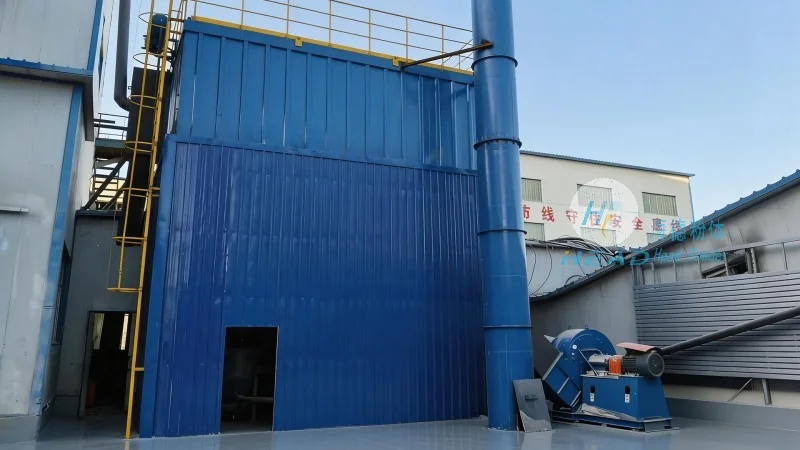
The company's team of engineers and technicians works closely with clients to assess their operational requirements and recommend the most suitable pneumatic conveying system. Whether it's a new installation or an upgrade to an existing system, HeadPowder provides comprehensive services, including system design, material selection, installation, and maintenance. The company's commitment to quality is reflected in its adherence to industry standards and its use of advanced technology in its products. HeadPowder's systems are designed to be durable, easy to clean, and maintain, ensuring long-term performance and minimal downtime.
HeadPowder's facilities are located in Shandong, China, where the company has established a strong presence in the regional market. The company's location allows it to serve clients in the surrounding areas efficiently and respond quickly to any technical issues or maintenance needs. The company's reputation for quality and reliability has made it a trusted partner for many food processing companies, who rely on its systems to ensure the smooth operation of their production lines.




