

Introduction to Salt Pneumatic Conveying and the Working Principle of Pneumatic Conveying Systems
HeadPowder, the abbreviation for Shandong HeadPowder Engineering Co., Ltd., is a professional engineering company based in Shandong, China. The company specializes in the design, manufacturing, and installation of pneumatic conveying systems, with a focus on industrial applications such as bulk material handling, including salt processing. HeadPowder leverages advanced technology and engineering expertise to provide customized solutions tailored to the specific needs of clients in various industries.
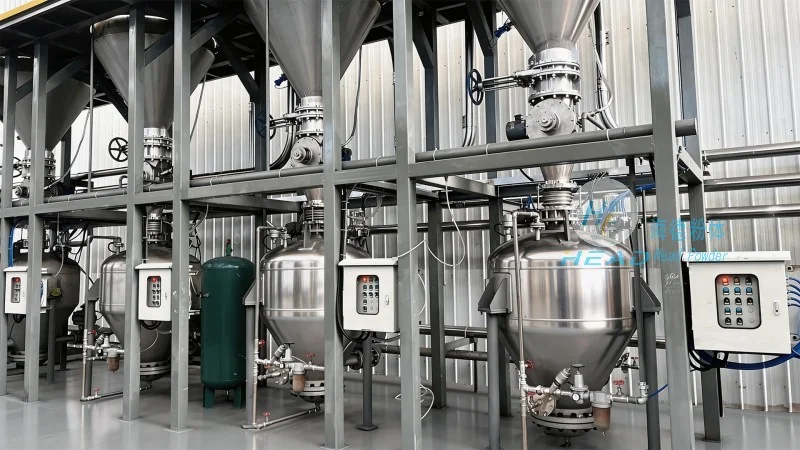
Pneumatic Conveying Systems: An Overview
Pneumatic conveying systems are a type of material handling technology that uses compressed air or other gases to transport bulk materials from one location to another. Unlike traditional methods like belt conveyors or bucket elevators, pneumatic conveying offers advantages such as flexibility, efficiency, and the ability to handle a wide range of materials, including powders, granules, and bulk solids. These systems are widely used in industries like food processing, pharmaceuticals, chemicals, and mining, where the transport of materials requires precision and minimal contamination.
Features of Salt Pneumatic Conveying
When applied to salt processing, pneumatic conveying systems offer several key features that enhance operational efficiency and product quality. First, the system can handle salt in various forms, including granular or powdered salt, without the need for additional equipment like crushers or screens. This reduces the complexity of the processing line and minimizes downtime. Second, the enclosed design of the pneumatic conveyor prevents dust and moisture from contaminating the salt, ensuring that the final product meets stringent quality standards. Third, the system allows for precise control over the flow rate and pressure, enabling accurate dosing and batching of salt for different applications, such as food production, de-icing, or chemical manufacturing.
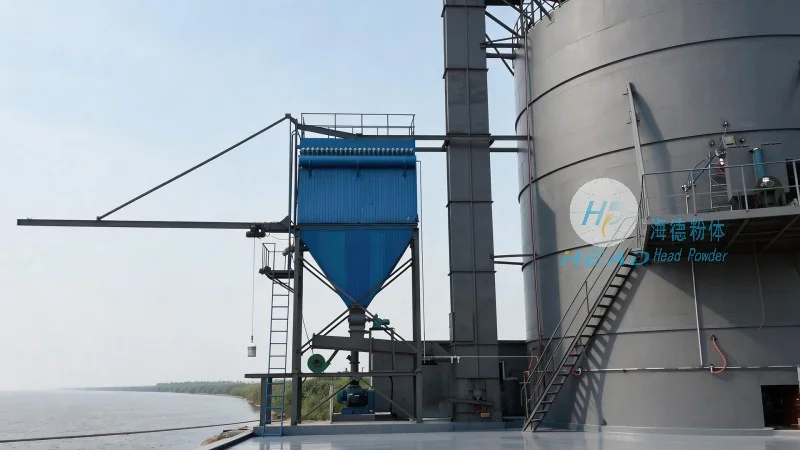
Working Principle of Pneumatic Conveying Systems
The core of a pneumatic conveying system is the ability to create a flow of air or gas that propels the material through a pipeline. The process typically involves several components: a material hopper or feeder, a compressor or blower to generate the air flow, a pipeline system to transport the material, and a receiver or discharge point where the material is collected. The system operates by feeding the salt into the hopper, where it is then drawn into the pipeline by the moving air. The air flow creates a negative pressure (in suction systems) or positive pressure (in pressure systems) that pulls or pushes the salt particles along the pipeline. The velocity of the air is critical; it must be sufficient to overcome the gravitational force of the salt and the friction within the pipeline, ensuring that the material remains suspended and transported efficiently. The system may also include features like cyclone separators or filters to separate the air from the material at the discharge point, allowing for clean air recirculation or disposal.
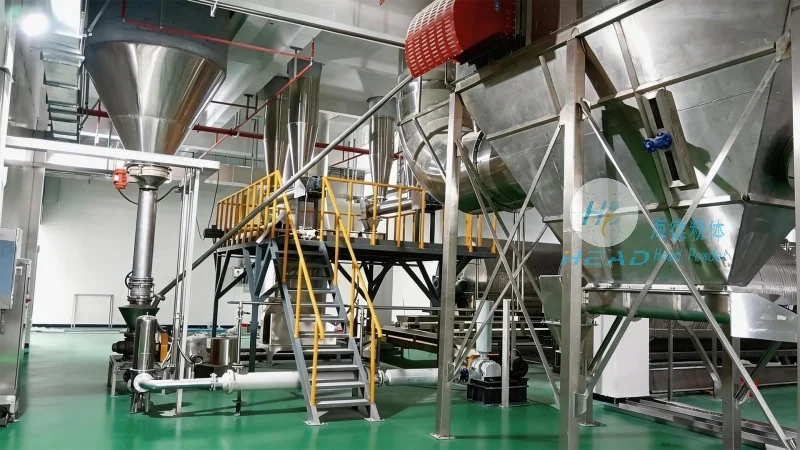
Advantages of Pneumatic Conveying Systems for Salt Handling
Implementing a pneumatic conveying system for salt processing offers numerous advantages over traditional methods. One of the primary benefits is the reduction in labor costs and operational complexity. Since the system is fully automated, it requires minimal manual intervention, reducing the risk of human error and improving overall productivity. Additionally, the enclosed nature of the system minimizes dust exposure, enhancing workplace safety and compliance with environmental regulations. The system also allows for seamless integration with other processing equipment, such as mixers, reactors, or packaging machines, creating a streamlined production line. Furthermore, the ability to transport salt over long distances without the need for intermediate storage or transfer points simplifies the logistics and reduces the risk of material degradation or loss.
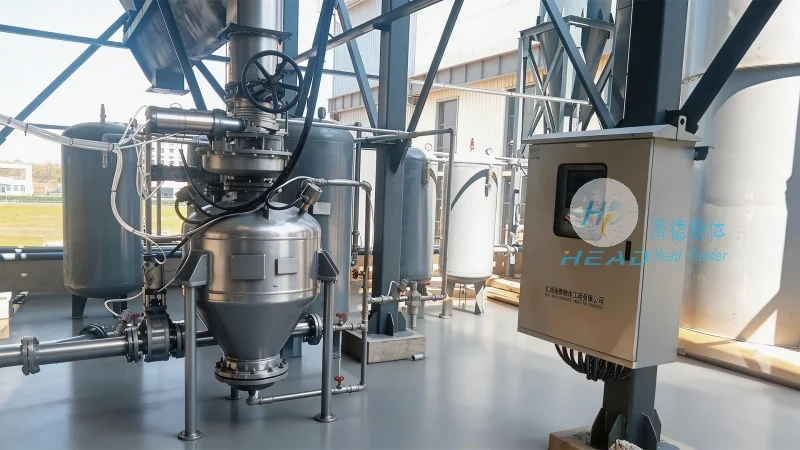
Applications of Salt Pneumatic Conveying
Salt pneumatic conveying systems are widely used in various industrial applications where the efficient and hygienic transport of salt is essential. In the food industry, these systems are commonly used to transport salt for use in food processing, such as in the production of snacks, beverages, or processed meats. The system ensures that the salt is handled in a clean and controlled environment, preventing contamination and maintaining the quality of the final product. In the de-icing industry, pneumatic conveying is used to transport salt to road treatment facilities, where it is mixed with other materials to create de-icing solutions. The system allows for precise dosing of salt, ensuring that the correct concentration is achieved for effective ice removal. In chemical manufacturing, salt is often used as a raw material in the production of various chemicals, and pneumatic conveying systems ensure that the salt is transported safely and efficiently to the production lines. Additionally, in mining and mineral processing, salt may be used as a de-icing agent or a reagent in processing operations, and pneumatic conveying provides a reliable method for handling these materials.
Conclusion
Shandong HeadPowder Engineering Co., Ltd. specializes in providing advanced pneumatic conveying systems for salt processing, leveraging its expertise in engineering and material handling to deliver customized solutions that meet the specific needs of clients. By utilizing the principles of pneumatic conveying, the company helps industries improve operational efficiency, enhance product quality, and ensure workplace safety. The integration of modern technology and robust design in these systems ensures that they are reliable, durable, and cost-effective, making them an ideal choice for salt handling applications in various industries.