

What is Grain Powder Conveying? What Are the Design Principles?
Grain powder conveying is a critical process in the agricultural and food processing industries, focusing on the efficient movement of bulk solid materials like grains, powders, and other granular substances. This technology is essential for optimizing production lines, enhancing operational efficiency, and ensuring the safe handling of sensitive materials. Understanding the fundamentals of grain powder conveying and its underlying design principles is crucial for industries such as milling, feed production, and food processing, where the reliable transport of these materials directly impacts overall productivity and product quality.
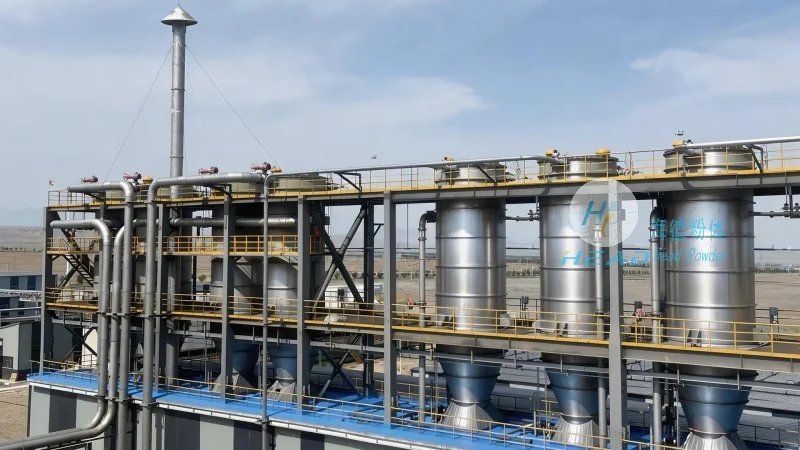
Understanding Grain Powder Conveying Systems
Grain powder conveying systems are engineered to transport dry, fine, or semi-fine materials through a variety of mechanisms, including pneumatic, mechanical, and hybrid systems. These systems are designed to handle materials with varying properties, such as particle size, moisture content, and flowability. The primary goal is to achieve consistent, low-loss transport while minimizing material degradation and ensuring compliance with industry standards for hygiene and safety.
Key Design Principles for Efficient Conveying
The design of grain powder conveying systems adheres to several core principles to ensure optimal performance. These include maintaining consistent material flow, controlling pressure and velocity to prevent product degradation, and ensuring system reliability and durability. Engineers must consider factors like material characteristics, system layout, and operational requirements when designing a conveying system. For instance, the choice between pneumatic and mechanical conveying depends on the specific material properties and the distance and elevation changes required for transport.
Pneumatic Conveying: A Common Approach
Pneumatic conveying systems utilize air or gas to transport materials through a pipeline. This method is particularly effective for fine powders and granules, as it can handle materials with high moisture content or those prone to caking. The system typically consists of a hopper, a conveyor line, and a control system. The design of the hopper and the air flow rate are critical to maintaining consistent material flow and preventing blockages. Pneumatic conveying offers advantages such as low maintenance, the ability to transport materials over long distances, and the flexibility to integrate with existing production lines.
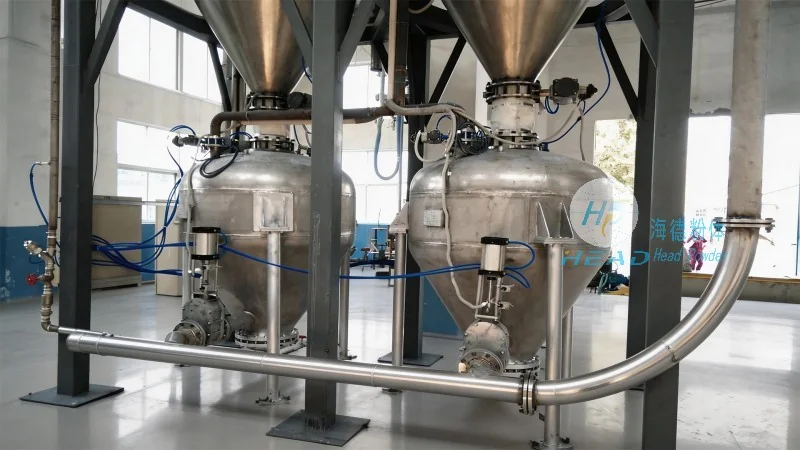
Mechanical Conveying: Alternative Solutions
Mechanical conveying systems, such as screw conveyors, belt conveyors, and bucket elevators, are another common approach for grain powder transport. These systems rely on mechanical components to move materials. Screw conveyors, for example, use a rotating screw to push material forward, making them suitable for handling materials with moderate flowability. Belt conveyors are ideal for transporting larger particles or bulk materials over longer distances. The choice of mechanical system depends on the material's characteristics, the required capacity, and the space available in the facility. Mechanical conveyors are often preferred for applications where dust control and material purity are critical.
Design Considerations for Optimal Performance
When designing a grain powder conveying system, several factors must be carefully evaluated. First, the material's physical properties, including particle size distribution, moisture content, and flowability, are crucial. These properties determine the most suitable conveying method and system components. Second, the system's capacity and the required transport distance or elevation change must be considered to ensure the system can meet operational demands. Third, the need for dust control and material containment is essential, especially in food processing applications where hygiene is paramount. Engineers also need to account for energy efficiency and maintenance requirements to ensure the system operates cost-effectively over its lifespan.
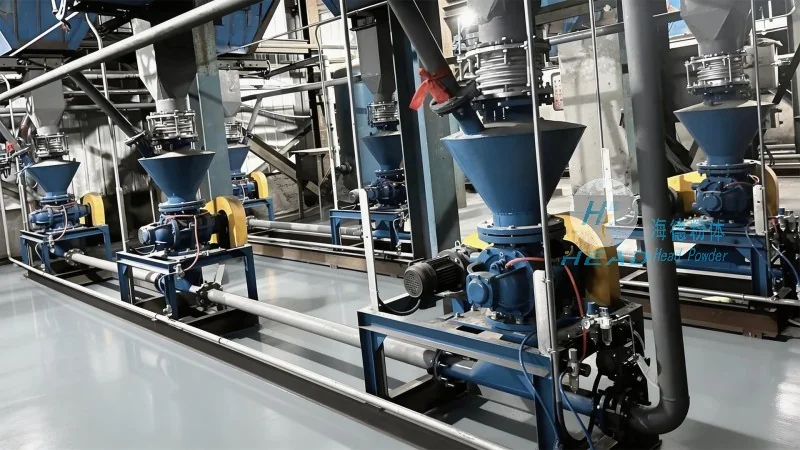
HeadPowder: Expert in Grain Powder Conveying Solutions
Shandong HeadPowder Engineering Co., Ltd., commonly known as HeadPowder, is a leading provider of specialized engineering solutions for grain powder conveying systems. With years of experience in the industry, HeadPowder has developed a deep understanding of the unique challenges associated with transporting grain and powder materials. The company's expertise lies in designing and manufacturing custom conveying systems that meet the specific needs of its clients, ensuring optimal performance and reliability.
HeadPowder's team of engineers and technicians work closely with clients to assess their operational requirements and material characteristics. By leveraging advanced design software and rigorous testing protocols, the company ensures that each system is tailored to the client's unique needs. The company's products are designed to be durable, efficient, and compliant with industry standards, providing long-term value and peace of mind to its customers.
HeadPowder's commitment to quality and innovation has earned it a reputation as a trusted partner in the agricultural and food processing industries. The company's focus on customer satisfaction and technical excellence has allowed it to serve a wide range of clients, from small-scale operations to large industrial facilities. With a strong presence in China, HeadPowder continues to be at the forefront of grain powder conveying technology, providing reliable solutions that enhance productivity and efficiency for its clients.