

Aluminum Hydride Powder Pneumatic Conveying Technology: Principles, Applications, and Development Trends
Aluminum hydride powder is a specialized chemical material widely utilized in industrial processes, particularly as a reducing agent and precursor in the production of hydrogen and aluminum-based compounds. Its fine particle size and reactive nature make efficient handling a critical aspect of industrial operations. Pneumatic conveying technology has emerged as a reliable method for transporting aluminum hydride powder, offering advantages such as enclosed systems, reduced risk of dust exposure, and the ability to handle materials over long distances. This article provides an overview of the principles underlying pneumatic conveying for aluminum hydride powder, explores its practical applications across various industries, and discusses the current trends shaping the development of this technology.
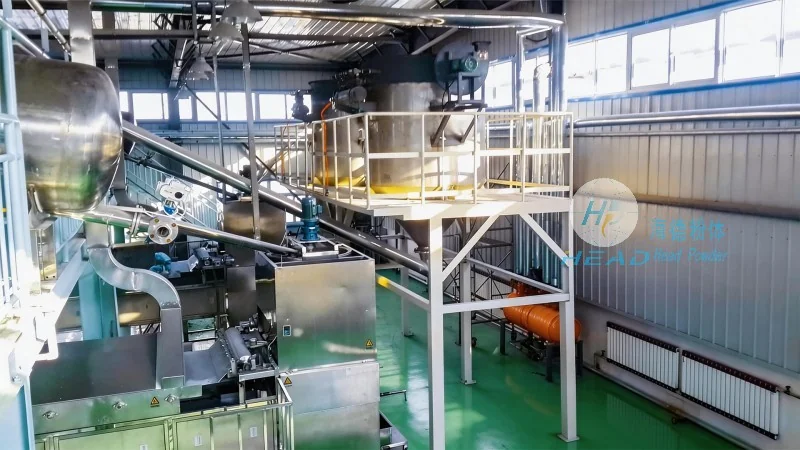
Principles of Pneumatic Conveying for Aluminum Hydride Powder
The fundamental principle of pneumatic conveying involves the use of pressurized air or other gases to transport solid particles through a pipeline. For aluminum hydride powder, which may exhibit unique flow characteristics and reactivity, the design of the conveying system must account for factors like particle size distribution, moisture content, and the potential for dust explosions. The system typically comprises several key components: a feeding device to introduce the powder into the pipeline, a conveying line where the powder is suspended and transported by the air stream, a separation unit to separate the powder from the air at the discharge end, and a discharge mechanism to deliver the material to its final destination. The choice between dense phase and dilute phase conveying depends on the material's properties and the required transport distance. Dense phase conveying operates at lower air velocities, creating a slurry-like flow that minimizes particle impact and reduces degradation of the powder. This method is particularly suitable for aluminum hydride powder due to its sensitivity to mechanical stress and moisture, as it helps maintain the powder's integrity and reactivity. Dilute phase conveying, on the other hand, uses higher air velocities to transport the powder in a more dispersed state, which is efficient for shorter distances but may increase the risk of particle degradation and dust generation.
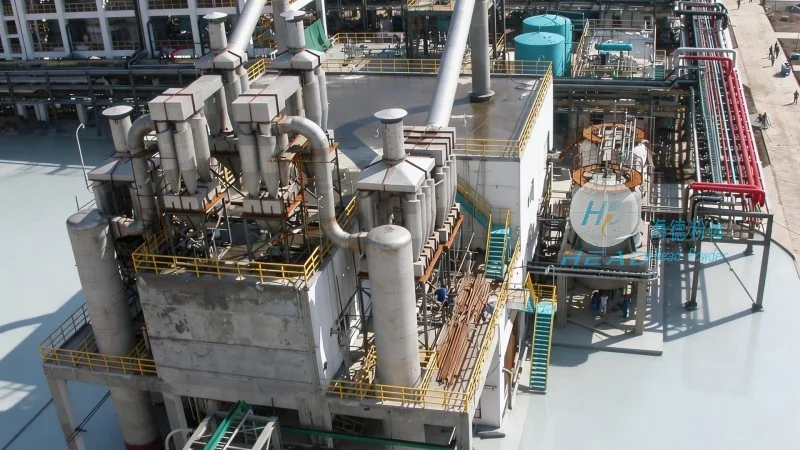
Applications of Pneumatic Conveying in Aluminum Hydride Powder Handling
Pneumatic conveying plays a vital role in the handling of aluminum hydride powder across multiple industrial sectors. In chemical manufacturing, aluminum hydride powder is commonly used as a reducing agent in reactions that produce hydrogen gas or other valuable compounds. The ability to transport the powder from storage silos to reactors or mixers via pneumatic systems ensures a continuous and controlled supply, which is essential for maintaining consistent reaction rates and product quality. For instance, in the production of hydrogen, aluminum hydride reacts with water to generate hydrogen gas, and the conveying system must deliver the powder to the reactor in a precise manner to avoid clogging or uneven distribution. This not only enhances the efficiency of the hydrogen production process but also improves safety by preventing the buildup of powder in the system. In the aluminum industry, aluminum hydride powder may serve as a precursor in the production of aluminum alloys or as a reducing agent in the extraction of other metals. The use of pneumatic conveying in these applications helps maintain the powder's purity and prevents contamination from external sources, which is critical for achieving high-quality end products. Additionally, in research and development settings, the ability to handle aluminum hydride powder in a controlled environment is essential for conducting experiments and testing new applications. The enclosed nature of pneumatic conveying systems reduces the risk of exposure to the powder, which can be hazardous if inhaled or in contact with moisture, thereby ensuring the safety of laboratory personnel.
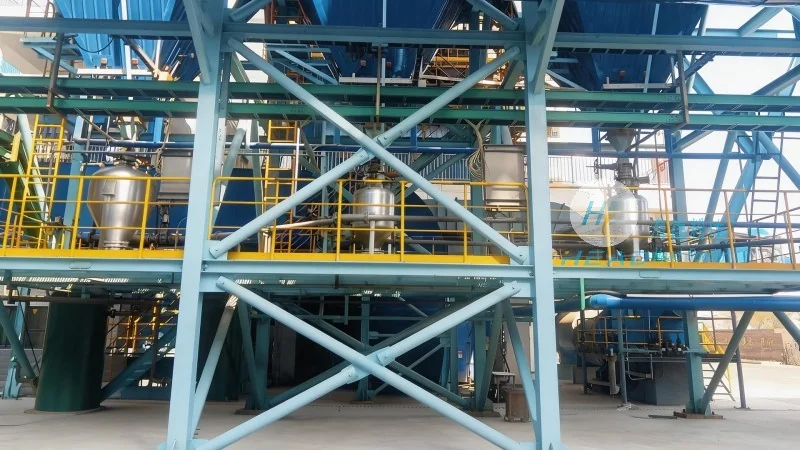
Development Trends in Pneumatic Conveying Technology for Aluminum Hydride Powder
The field of pneumatic conveying for aluminum hydride powder is continuously evolving to meet the growing demands of the industry. One significant trend is the integration of advanced automation and control systems that allow for real-time monitoring and adjustment of conveying parameters. These systems use sensors to track variables such as pressure, flow rate, and air velocity, enabling operators to optimize the conveying process and reduce energy consumption. For example, companies like Shandong HeadPowder Engineering Co., Ltd. are developing smart conveying systems that can adapt to changes in powder characteristics, such as variations in particle size or moisture content, ensuring consistent performance. Another trend is the adoption of more durable and corrosion-resistant materials for the conveying components. Aluminum hydride powder can be corrosive in certain conditions, and using materials like stainless steel or specialized coatings helps extend the lifespan of the equipment and maintain the purity of the powder. The focus on sustainability is also driving innovation, with efforts to reduce the environmental impact of the conveying process. This includes optimizing air usage, minimizing waste, and improving the overall efficiency of the system. Future developments may involve the use of artificial intelligence and machine learning to predict and prevent issues in the conveying process, further enhancing reliability and safety. These advancements will not only improve the handling of aluminum hydride powder but also support the growth of industries that rely on this material, such as chemical manufacturing and aluminum production.