

Biomass Ash Pneumatic Conveying Technology: Principles, Applications, and Development Trends
Biomass ash, a byproduct of biomass combustion processes, requires efficient handling and transportation for various industrial applications. Pneumatic conveying technology offers a reliable solution for moving these fine particles, ensuring safety, efficiency, and environmental compliance. This article explores the principles, practical applications, and future trends of pneumatic conveying systems specifically designed for biomass ash, with a focus on the expertise and solutions provided by Shandong HeadPowder Engineering Co., Ltd.
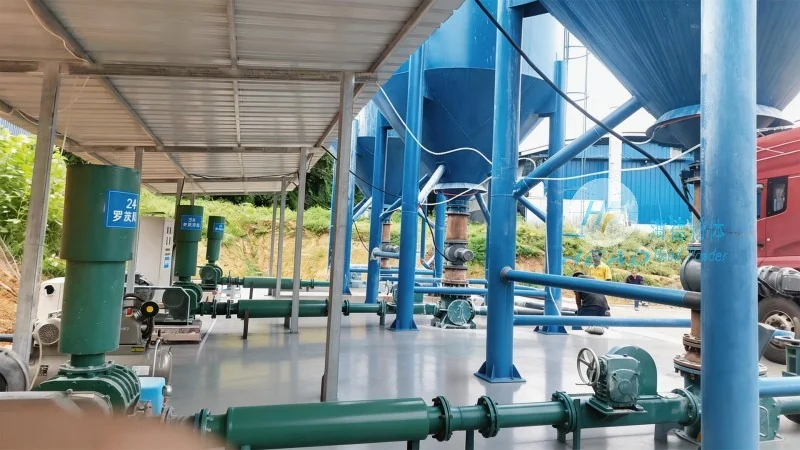
Principles of Pneumatic Conveying for Biomass Ash
The core principle of pneumatic conveying involves the use of a gas stream (typically air or a mixture of air and other gases) to transport solid particles through a pipeline. In the context of biomass ash, which often consists of fine, dry particles, two primary conveying methods are commonly employed: dilute-phase and dense-phase systems.
Dilute-phase conveying operates at higher air-to-solid ratios, where particles are suspended in the air stream and travel at high velocities. This method is suitable for short to medium distances and low to moderate particle loads. Conversely, dense-phase conveying uses lower air-to-solid ratios, resulting in particles moving at slower speeds and often forming a plug or slurry within the pipeline. This approach is ideal for longer distances, higher particle concentrations, and applications requiring gentle handling to prevent particle degradation or equipment wear.
Shandong HeadPowder Engineering Co., Ltd. specializes in designing and manufacturing customized pneumatic conveying systems tailored to the unique characteristics of biomass ash. Their systems incorporate advanced control mechanisms and material handling components that optimize the conveying process while minimizing energy consumption and operational costs.
Applications of Biomass Ash Pneumatic Conveying Systems
Biomass ash is utilized in multiple industrial sectors, and pneumatic conveying systems play a critical role in integrating this byproduct into downstream processes. Key applications include:
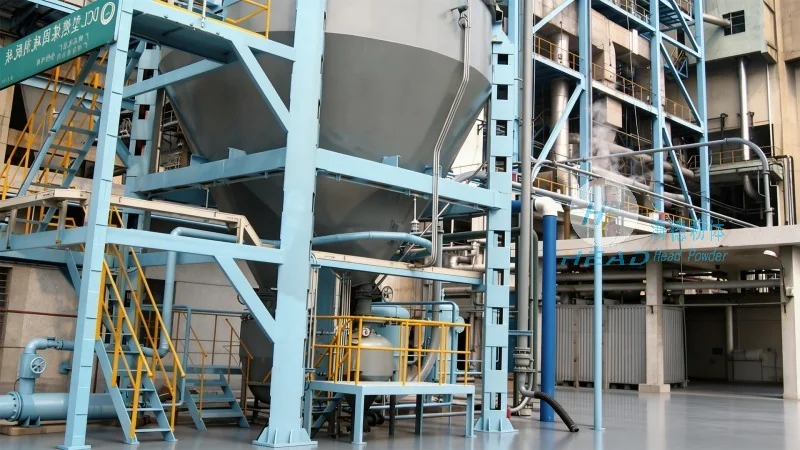
1. **Power Generation and Energy Recovery:** In biomass-fired power plants, ash is often transported from the boiler to storage silos or disposal sites. Pneumatic systems ensure that ash is moved safely and efficiently, preventing dust emissions and maintaining plant operational integrity.
2. **Material Recycling and Reuse:** Biomass ash can be processed into construction materials, such as lightweight aggregates or cement additives. Pneumatic conveying facilitates the transfer of ash from processing units to mixing or grinding equipment, enabling consistent material quality and production rates.
3. **Environmental Compliance and Waste Management:** Proper handling of biomass ash is essential for environmental regulations. Pneumatic systems help in transporting ash to landfills or recycling facilities, reducing the risk of dust pollution and ensuring compliance with local environmental standards.
4. **Industrial Process Integration:** In chemical and pharmaceutical industries, biomass ash may be used as a raw material or filler. Pneumatic conveying systems integrate seamlessly with existing production lines, ensuring a continuous and controlled flow of materials.
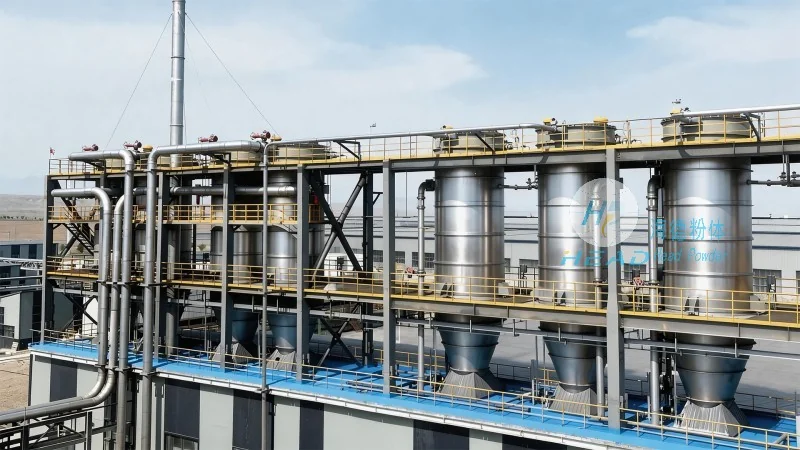
Shandong HeadPowder Engineering Co., Ltd. has successfully implemented pneumatic conveying solutions for these applications, delivering systems that meet specific industry requirements and enhance overall operational efficiency.
Development Trends and Future Innovations
The field of pneumatic conveying technology for biomass ash is evolving, driven by advancements in material handling, automation, and sustainability. Key trends include:
- **Energy Efficiency and Sustainability:** Modern systems incorporate energy-saving features, such as variable frequency drives (VFDs) and optimized air flow management, reducing operational costs and environmental impact.
- **Automation and Control Systems:** Advanced control systems enable real-time monitoring and adjustment of conveying parameters, improving process reliability and reducing downtime.
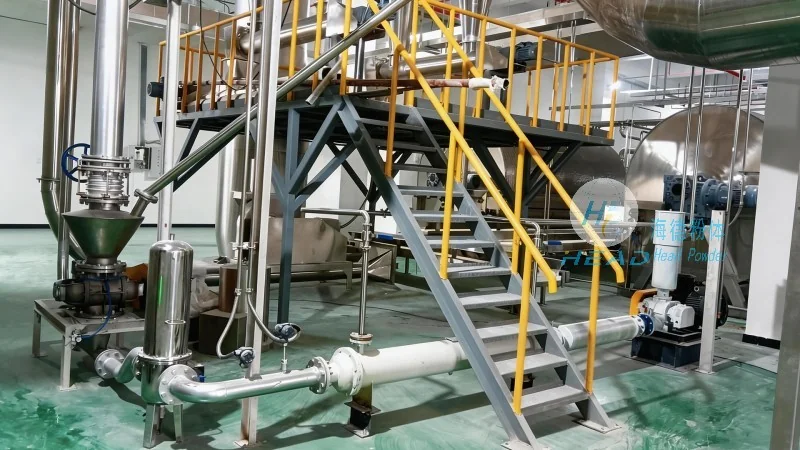
- **Material Handling Flexibility:** New designs allow for the handling of diverse ash compositions, including varying particle sizes and moisture content, through adaptable system configurations.
- **Integration with Digital Technologies:** The integration of IoT and data analytics provides insights into system performance, enabling predictive maintenance and proactive optimization.
Shandong HeadPowder Engineering Co., Ltd. stays at the forefront of these trends, continuously innovating its products to meet the evolving needs of the biomass ash handling industry. Their commitment to research and development ensures that clients receive cutting-edge solutions that enhance productivity and sustainability.
Conclusion
Biomass ash pneumatic conveying technology is a vital component in the efficient and sustainable management of biomass combustion byproducts. With its ability to handle fine particles safely and efficiently, this technology supports various industrial applications while adhering to environmental regulations. Shandong HeadPowder Engineering Co., Ltd. stands as a leading provider of customized pneumatic conveying solutions, leveraging advanced engineering and industry expertise to deliver systems that meet the unique demands of biomass ash handling. By embracing current trends and future innovations, the company continues to contribute to the advancement of sustainable material handling practices.