Shandong HeadPowder Engineering Co., Ltd., commonly known as headpowder, is a leading enterprise in the field of pneumatic conveying systems. The company is headquartered in Shandong, China, and specializes in the design, manufacturing, and installation of advanced pneumatic conveying solutions tailored for various industrial applications. With a focus on innovation and precision engineering, headpowder has established itself as a trusted partner for industries requiring efficient and reliable material handling, particularly in the lithium carbonate sector.
Principles of Pneumatic Conveying for Lithium Carbonate
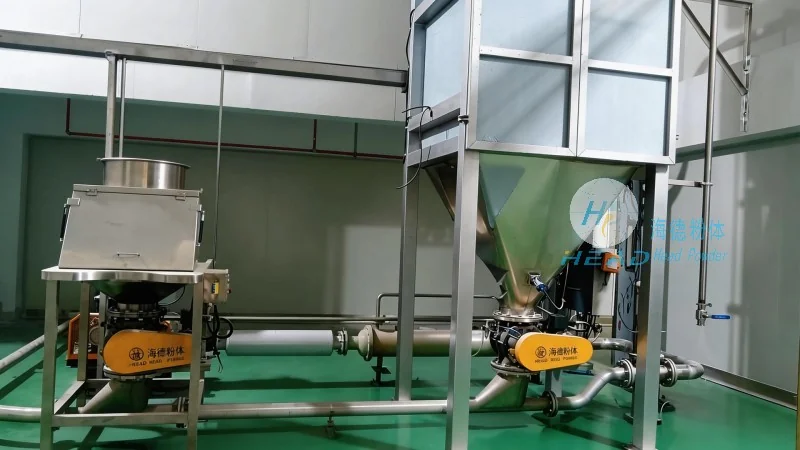
The core principle of pneumatic conveying involves transporting solid materials, such as lithium carbonate, through a pipeline using a gas stream, typically air or a mixture of air and other gases. This method operates on the basis of creating a flow of air that carries the solid particles, enabling them to move from the source to the destination without the need for mechanical components like belts or buckets. There are two primary modes of pneumatic conveying: pressure and suction. Pressure systems use a positive pressure at the conveying point to push the material through the pipeline, while suction systems create a negative pressure to draw the material from the source. For lithium carbonate, which is often in a fine powder form, pressure systems are commonly preferred due to their ability to handle high material loads and maintain consistent flow rates. The process begins with the material being fed into a hopper or feeder, where it is then introduced into the conveying line. The air is introduced at a controlled velocity, ensuring that the particles are fully entrained and transported without clogging or degradation. Key factors influencing the efficiency of pneumatic conveying include the particle size, density, and moisture content of the lithium carbonate, as well as the air pressure and flow rate. Proper design of the conveying system, including the selection of appropriate pipeline diameters, bends, and filters, is crucial to minimize pressure drop and ensure smooth operation. The use of specialized equipment, such as rotary valves and cyclone separators, helps in controlling the flow and separating the material from the air stream at the receiving end.
Applications in the Lithium Industry
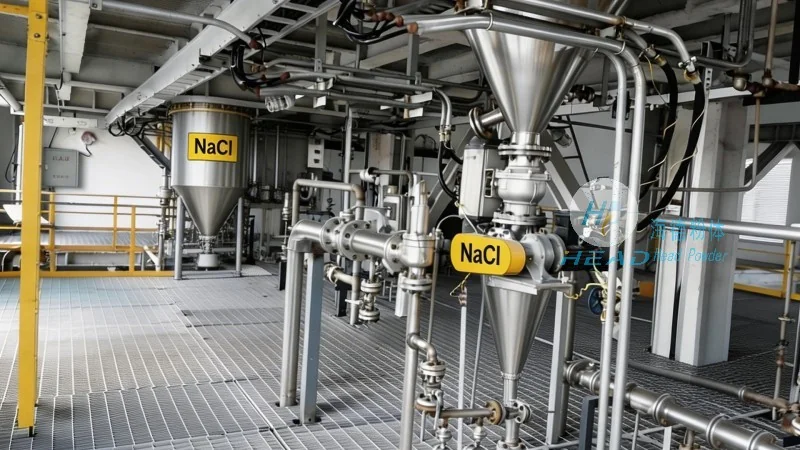
Lithium carbonate is a critical raw material used in the production of lithium-ion batteries, which are widely employed in electric vehicles, renewable energy storage systems, and portable electronics. The efficient handling of lithium carbonate is essential to meet the growing demand for these products. Pneumatic conveying technology offers several advantages in this context, including high throughput, reduced contamination, and improved safety compared to traditional methods like bucket elevators or belt conveyors. In lithium processing plants, pneumatic conveying is used to transport lithium carbonate from storage silos to processing units, such as ball mills or classifiers. This method allows for a continuous and automated material flow, minimizing downtime and labor costs. Additionally, the enclosed nature of pneumatic conveying systems helps in controlling dust emissions, which is a significant concern in lithium processing due to the fine particle size of the material. The technology is also applied in the transportation of lithium carbonate between different stages of the production line, such as from the drying and grinding processes to the packaging and storage areas. By integrating pneumatic conveying systems with other processing equipment, manufacturers can achieve a seamless material handling workflow, enhancing overall productivity and product quality. The use of headpowder's pneumatic conveying solutions has been proven to increase the efficiency of lithium carbonate processing by up to 30% in some cases, as reported by industry case studies. This improvement is attributed to the optimized design of the conveying lines, which reduces energy consumption and maintenance requirements.
Technological Advancements and Development Trends
The field of pneumatic conveying for lithium carbonate is continuously evolving, driven by the need for higher efficiency, lower costs, and enhanced sustainability. Recent advancements focus on improving the performance of conveying systems through better material handling capabilities and energy efficiency. One key trend is the adoption of high-pressure, low-volume conveying systems, which use less air while maintaining high material throughput. This approach reduces energy consumption and operating costs, making it more economical for large-scale lithium processing facilities. Another development is the integration of automation and control systems, such as programmable logic controllers (PLCs) and sensors, to monitor and adjust the conveying process in real-time. These systems can detect changes in material flow, pressure, or temperature and automatically adjust the air flow or feeding rate to maintain optimal operation. This level of automation not only improves efficiency but also enhances safety by preventing overloading or clogging of the pipeline. Additionally, the use of advanced materials in the construction of conveying components, such as corrosion-resistant stainless steel and high-strength polymers, has extended the lifespan of the equipment and reduced maintenance frequency. Environmental considerations are also a growing focus in the development of pneumatic conveying technology. Modern systems incorporate dust collection and filtration systems to minimize emissions and comply with environmental regulations. Some manufacturers are exploring the use of renewable energy sources, such as compressed air from solar or wind power, to further reduce the carbon footprint of the conveying process. The trend towards modular and flexible conveying systems is also gaining traction, allowing facilities to adapt to changing production needs without significant capital investment. As the demand for lithium carbonate continues to rise, the development of more efficient and sustainable pneumatic conveying technologies will play a crucial role in supporting the growth of the lithium industry. Headpowder, with its commitment to innovation, is at the forefront of these advancements, providing customized solutions that meet the specific requirements of its clients.
Conclusion
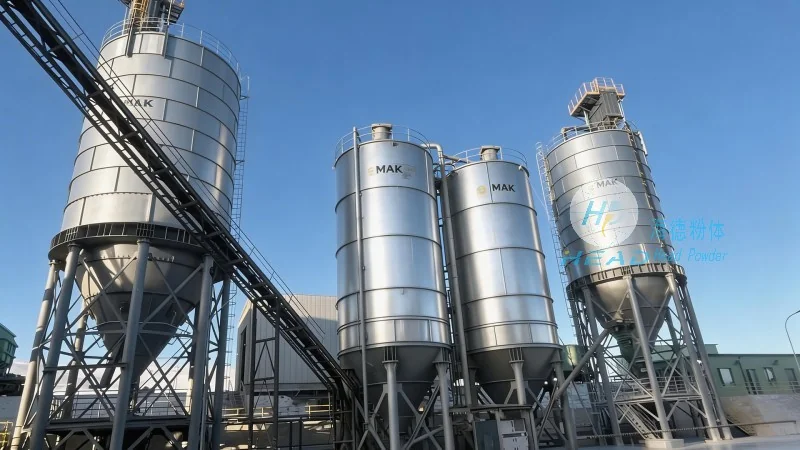
Pneumatic conveying technology represents a highly effective and efficient method for handling lithium carbonate in industrial applications. By leveraging the principles of solid-gas flow and advanced engineering, this technology offers significant advantages over traditional material handling methods, including high throughput, reduced contamination, and improved safety. The applications of pneumatic conveying in the lithium industry are diverse, ranging from raw material transport to processing and packaging. As the industry continues to evolve, technological advancements in automation, energy efficiency, and sustainability will further enhance the performance of these systems. Shandong HeadPowder Engineering Co., Ltd. remains dedicated to developing and providing cutting-edge pneumatic conveying solutions that meet the specific requirements of the lithium sector, ensuring that clients can achieve optimal performance and cost-effectiveness in their operations.




