

Barium Sulfate Pneumatic Conveying Technology: Principles, Applications, and Development Trends
HeadPowder, a prominent enterprise based in Shandong, China, specializes in advanced material handling solutions, including pneumatic conveying systems for barium sulfate. This technology represents a critical advancement in industrial material transport, offering efficient and reliable methods for handling this essential chemical compound. The following sections will explore the fundamental principles, practical applications, and emerging trends in barium sulfate pneumatic conveying.
Principles of Pneumatic Conveying for Barium Sulfate
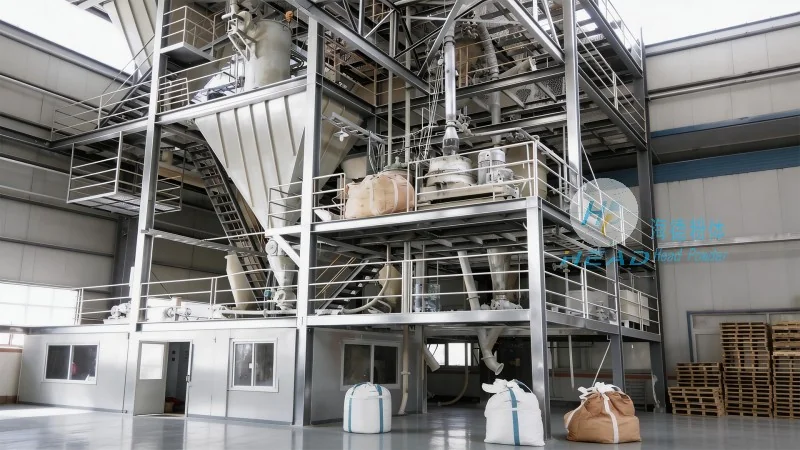
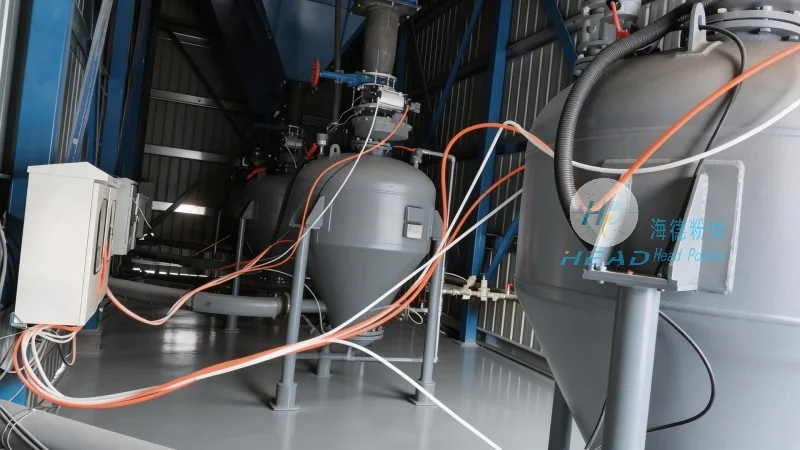
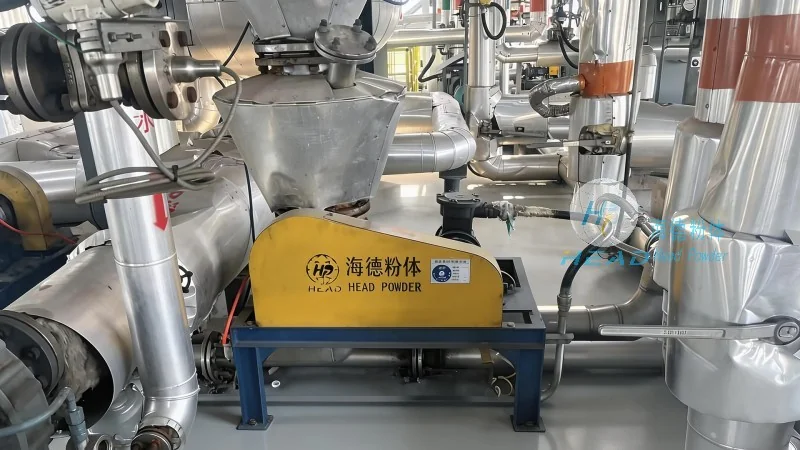
The core principle of pneumatic conveying involves the use of air or gas to transport solid materials like barium sulfate through a pipeline system. This method relies on the generation of a pressure differential, which propels the material forward. For barium sulfate, a non-combustible and low-reactivity substance, the system design must consider factors such as particle size, density, and flow characteristics. The system typically consists of a hopper, a rotary valve, a conveying line, and a receiver. The hopper stores the barium sulfate, while the rotary valve controls the material discharge into the conveying line. The conveying line, often equipped with bends and straight sections, uses compressed air to create the necessary flow. The receiver collects the material at the destination. This process ensures minimal material loss and contamination, making it ideal for applications requiring high purity. The selection of air velocity and pressure is crucial to prevent particle degradation or blockages, which can occur if the system is not properly calibrated. HeadPowder’s expertise in system design ensures optimal performance, minimizing operational downtime and maximizing efficiency.
Applications in Industrial Processes
Barium sulfate pneumatic conveying systems are widely utilized across various industries due to their versatility and effectiveness. In the pharmaceutical sector, these systems are employed to transport barium sulfate for use in X-ray contrast agents, where precision and purity are paramount. The ability to maintain a clean and controlled environment reduces the risk of contamination, ensuring product safety. In the chemical industry, barium sulfate is used as a filler or pigment in coatings and plastics. The pneumatic conveying system allows for seamless integration into production lines, enabling continuous processing and reducing manual handling. The construction industry also benefits from this technology, as barium sulfate is used in cement and concrete additives. The system’s ability to handle large volumes of material efficiently supports high production rates. Additionally, in the mining and mineral processing sector, barium sulfate is processed and transported as part of raw material handling. The system’s robust design withstands the harsh conditions of these environments, ensuring reliable operation. HeadPowder’s customized solutions cater to the specific needs of each industry, optimizing material flow and reducing operational costs.
Development Trends and Technological Advancements
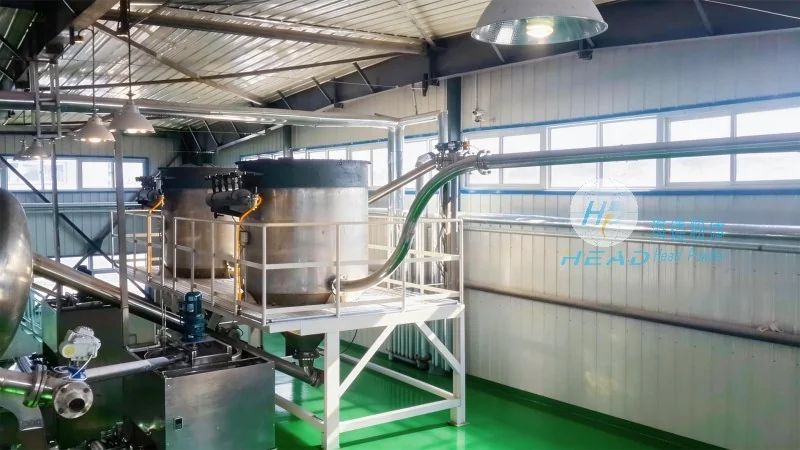
The field of barium sulfate pneumatic conveying is continuously evolving, driven by advancements in material handling technology. One significant trend is the adoption of closed-loop systems, which enhance energy efficiency and reduce environmental impact. These systems recycle excess air, minimizing energy consumption and lowering operational costs. Another trend is the integration of automation and control systems, allowing for real-time monitoring and adjustment of conveying parameters. This automation improves system reliability and reduces the need for manual intervention. HeadPowder is at the forefront of these developments, implementing advanced control technologies that optimize air usage and material flow. The use of high-efficiency compressors and energy recovery systems further contributes to sustainability. Additionally, the development of flexible and modular conveying systems allows for easier installation and expansion, adapting to changing production needs. These advancements ensure that barium sulfate pneumatic conveying remains a viable and efficient solution for future industrial applications. As technology progresses, the focus remains on improving system performance, reducing maintenance requirements, and enhancing overall operational efficiency.