

What is Alumina Powder Conveying? And What Are Its Design Principles?
Alumina powder conveying systems are essential in industrial processes where fine ceramic powders, such as alumina, need to be transported efficiently and safely. This article explores the fundamentals of alumina powder conveying and the core design principles that ensure optimal performance in various applications.
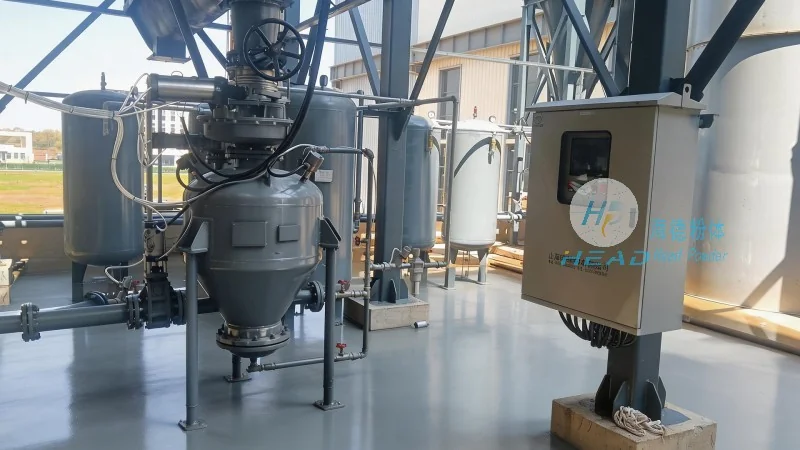
Introduction to Alumina Powder Conveying
Alumina, or aluminum oxide (Al₂O₃), is a widely used material in the ceramics, electronics, and aerospace industries due to its high hardness, thermal stability, and electrical insulating properties. When processed as a fine powder, it requires specialized conveying methods to handle its abrasive nature and prevent material degradation or equipment wear. Conveying systems for alumina powder must balance efficiency, reliability, and cost-effectiveness while maintaining product integrity.
About HeadPowder: Your Expert in Powder Handling Solutions
HeadPowder, a leading provider of powder handling technologies, is dedicated to delivering innovative solutions for the transportation and processing of fine powders. With headquarters in Shandong, China, HeadPowder Engineering Co., Ltd. combines advanced engineering expertise with practical industry experience to meet the unique challenges of alumina and other abrasive powders. Our team of specialists works closely with clients to design, manufacture, and implement customized conveying systems that enhance productivity and ensure long-term operational reliability.
Core Design Principles for Alumina Powder Conveying Systems
The design of an effective alumina powder conveying system involves several critical principles that address the material's physical and chemical characteristics. First, the system must consider the particle size distribution and flow properties of the alumina powder. Alumina particles are typically fine and can be prone to agglomeration, which affects flowability and increases the risk of blockages. Therefore, the design often incorporates features such as agitators, vibrators, or fluidized beds to maintain a consistent, free-flowing state.
Second, the material of construction is paramount due to alumina's abrasive nature. Conveying components, including pipes, valves, and pumps, are often made from high-strength materials like stainless steel, ceramic-lined steel, or specialized alloys that resist wear and corrosion. This ensures the system's longevity and minimizes downtime from equipment failure.
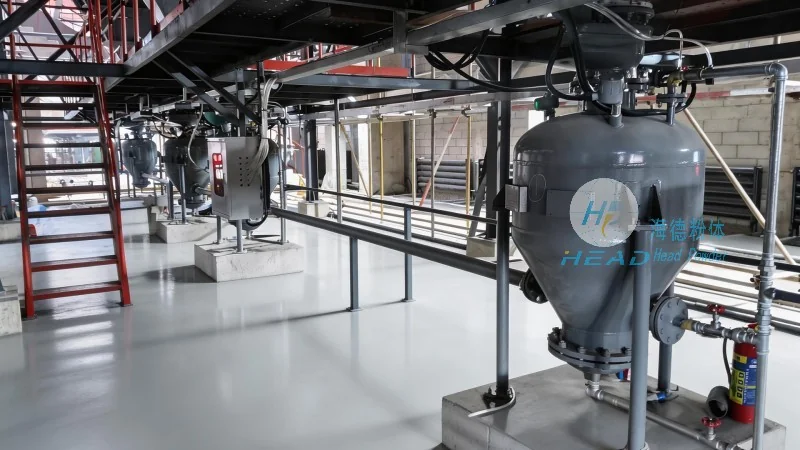
Third, the choice of conveying method plays a crucial role. Common approaches include pneumatic (air-assisted) conveying, which uses compressed air to move the powder through a network of pipes, and mechanical conveying, such as screw conveyors or belt conveyors, which rely on mechanical force. For alumina powder, pneumatic systems are often preferred due to their ability to handle fine particles and reduce the risk of contamination or product degradation. The design of the pneumatic system, including the air velocity, pipe diameter, and pressure drop, is carefully calculated to achieve optimal flow rates and minimize energy consumption.
Key Components and Their Roles in Alumina Powder Conveying
A well-designed alumina powder conveying system consists of several interconnected components, each playing a vital role in the overall process. The primary components include the feed hopper, which stores and feeds the powder into the system; the conveying line, which transports the powder from the source to the destination; and the discharge equipment, which delivers the powder to the next stage of processing.
The feed hopper is typically equipped with a rotary valve or a star feeder to control the flow rate of the alumina powder. This ensures a steady and consistent feed, preventing overloading or underloading of the conveying system. The hopper may also include a vibration or agitation mechanism to prevent material bridging or caking, which can occur with fine powders like alumina.
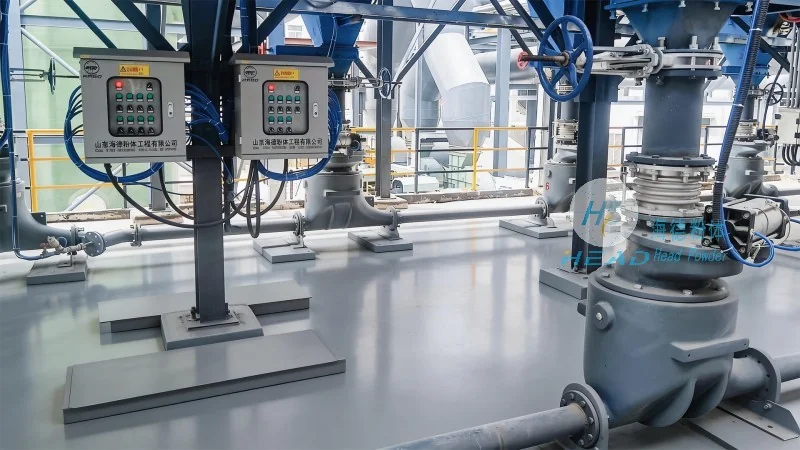
The conveying line itself is designed with smooth, corrosion-resistant pipes and appropriate fittings. For pneumatic systems, the pipe diameter is selected based on the required flow rate and air velocity to maintain the powder in suspension. The system may include expansion joints or flexible connectors to accommodate thermal expansion and reduce stress on the components. Valves, such as butterfly or gate valves, are used to control the flow direction and pressure within the system, allowing for easy maintenance and cleaning.
The discharge equipment, such as a rotary valve or a metering pump, regulates the output of the alumina powder to the subsequent process. This component ensures accurate dosing and prevents backflow or contamination. In some cases, the discharge may be connected to a dust collection system to capture any airborne particles and maintain a clean working environment.
Advantages of Properly Designed Alumina Powder Conveying Systems
Implementing a well-designed alumina powder conveying system offers numerous benefits for industrial operations. First, it enhances productivity by ensuring a continuous and reliable flow of material, reducing downtime caused by equipment failures or material blockages. The efficient transport of alumina powder also minimizes the risk of product contamination, which is critical in applications where purity is essential, such as in the production of high-quality ceramics or electronic components.
Second, proper design reduces operational costs by optimizing energy consumption and minimizing wear on equipment. By selecting the right materials and conveying method, the system can operate with lower pressure drops and less frequent maintenance, leading to long-term savings. Additionally, the use of advanced control systems allows for real-time monitoring and adjustment of the conveying process, further improving efficiency and reducing waste.
Third, a well-designed system improves workplace safety by minimizing the exposure of workers to fine powders and reducing the risk of dust explosions. The incorporation of dust collection and filtration systems ensures that the working environment remains clean and compliant with safety regulations. This not only protects employees but also helps maintain a positive corporate image and avoid potential legal liabilities.
Conclusion
Alumina powder conveying is a critical aspect of industrial operations, and the design of an effective system requires careful consideration of the material's properties, the system's components, and the operational requirements. HeadPowder Engineering Co., Ltd., with its expertise in powder handling, provides comprehensive solutions that address these challenges and deliver reliable, efficient, and cost-effective conveying systems for alumina and other fine powders. By adhering to the core design principles outlined in this article, industries can ensure the smooth and safe transportation of alumina powder, enhancing productivity and maintaining product quality.