

What is Calcium Carbide Slag Powder Conveying? And What Are the Design Principles?
Calcium carbide slag powder, a byproduct of the calcium carbide production process, requires efficient and reliable conveying systems to ensure proper handling and utilization. The design principles behind such systems are crucial for optimizing performance, minimizing operational costs, and ensuring safety in industrial applications. This article explores the fundamental aspects of calcium carbide slag powder conveying, focusing on the key design considerations and technologies employed in modern powder handling solutions.
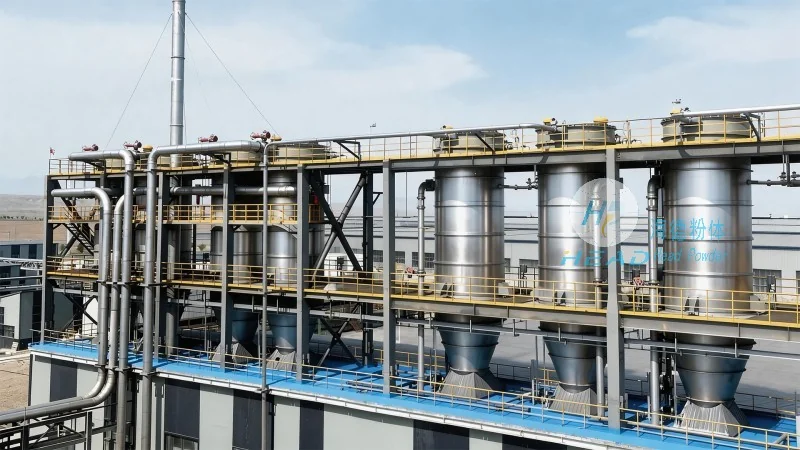
Understanding Calcium Carbide Slag Powder
Calcium carbide slag is a fine, granular material produced during the production of calcium carbide, a chemical compound used in various industrial processes such as steelmaking, chemical synthesis, and the generation of acetylene gas. The slag consists of calcium oxide, carbon, and other impurities, presenting unique challenges in terms of particle size, moisture content, and abrasive properties. These characteristics influence the choice of conveying equipment and the overall system design.
Key Design Principles for Powder Conveying
The design of a calcium carbide slag powder conveying system involves several critical principles aimed at ensuring efficient material transport. First, the system must address the material's flow properties, including its angle of repose, cohesion, and density. Properly designed hoppers and feeders are essential to prevent material bridging, rat-holing, or segregation, which can lead to uneven flow and system inefficiencies. Second, the equipment must be capable of handling the abrasive nature of the slag, as it can cause wear on conveyor components. Materials such as high-chrome steel, wear-resistant coatings, and robust construction are commonly used to extend the lifespan of the system. Third, the system should incorporate measures for dust control and environmental compliance, as calcium carbide slag can generate fine particulate matter that requires proper containment and filtration. Finally, energy efficiency is a key consideration, with systems designed to minimize power consumption while maintaining high throughput.
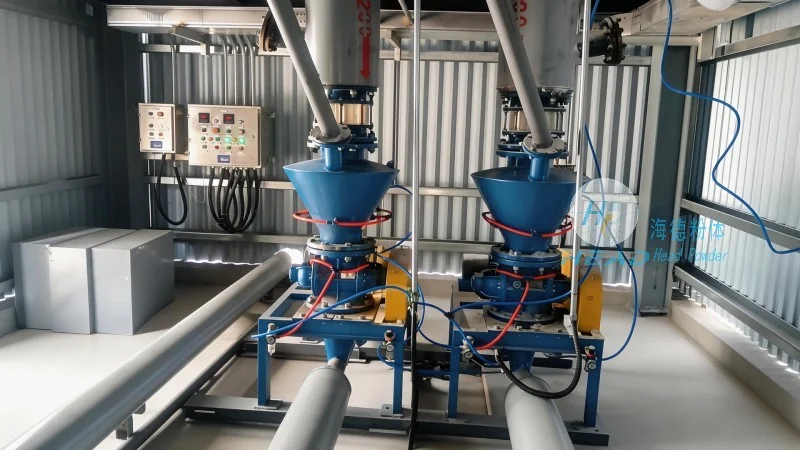
Common Conveying Technologies for Calcium Carbide Slag
Several technologies are employed in calcium carbide slag powder conveying, each with its own advantages and applications. One of the most common is the pneumatic conveying system, which uses compressed air to transport the powder through pipelines. This method is suitable for short to medium distances and can handle fine powders effectively. However, it may require higher air pressure and energy input compared to other systems. Another option is the mechanical conveying system, including screw conveyors, belt conveyors, and bucket elevators. Screw conveyors are particularly effective for handling cohesive materials like slag, as the rotating screw provides continuous movement and prevents material buildup. Belt conveyors are ideal for long-distance transport and can handle larger volumes of material. Bucket elevators are used for vertical transport, offering high capacity and reliability. The choice of technology depends on factors such as the distance, material characteristics, and system layout.
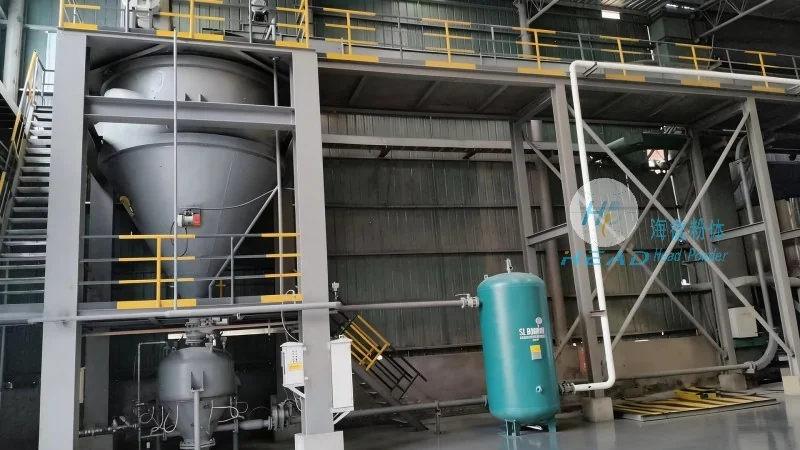
System Integration and Maintenance
Effective calcium carbide slag powder conveying systems require careful integration with other industrial processes, such as storage, processing, and disposal. The system must be designed to interface seamlessly with hoppers, silos, and processing equipment, ensuring a smooth flow of material from the source to the destination. Regular maintenance is also critical to ensure the system operates at optimal performance. This includes inspecting and replacing worn components, cleaning the system to prevent material buildup, and monitoring the system's performance parameters such as pressure, flow rate, and temperature. Proper maintenance not only extends the lifespan of the equipment but also reduces downtime and operational costs.
Conclusion
Calcium carbide slag powder conveying is a complex process that requires a thorough understanding of the material's properties and the application of sound design principles. By considering factors such as flow characteristics, equipment durability, dust control, and energy efficiency, engineers can develop effective conveying systems that meet the demands of industrial operations. The expertise of companies like Shandong HeadPowder Engineering Co., Ltd., with their focus on powder handling solutions, plays a vital role in ensuring that these systems are designed and implemented to achieve optimal performance and reliability.