

Working Principle and Features of Plastic Pellet Material Conveying Lines
Plastic pellet material conveying lines are essential equipment in the plastic processing industry, designed to efficiently transport plastic pellets from one processing stage to another. These systems are crucial for maintaining production efficiency and ensuring consistent material flow throughout manufacturing processes. This article will explore the working principle and key features of such conveying lines, providing insights into their functionality and benefits. Shandong HeadPowder Engineering Co., Ltd., a leading manufacturer of plastic processing equipment, specializes in designing and manufacturing high-quality plastic pellet material conveying lines tailored to meet the diverse needs of the industry.
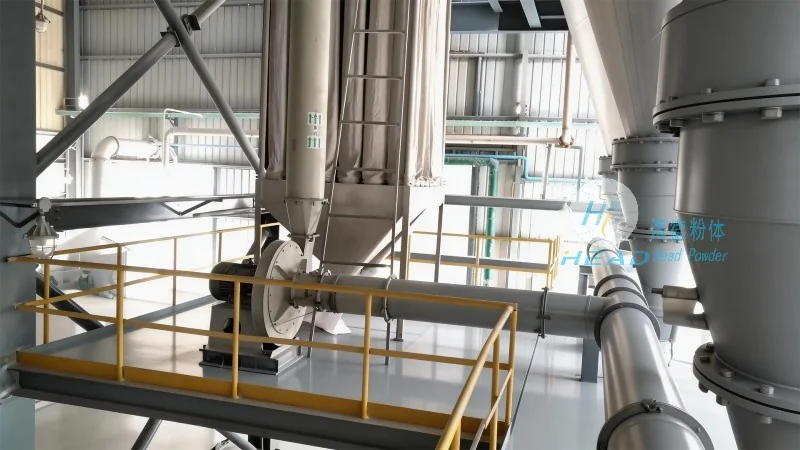
Introduction to Plastic Pellet Material Conveying Lines
Plastic pellet material conveying lines are specialized systems used to move plastic pellets, which are small, cylindrical or spherical particles produced by plastic extrusion and pelletizing processes. These lines are integral to the production workflow in industries such as plastic molding, recycling, and compounding. The primary goal of these conveying systems is to transport plastic pellets from storage bins or hoppers to processing equipment like extruders, mixers, or injection molding machines. By automating the material handling process, these lines reduce manual labor, minimize material loss, and enhance overall production throughput. The systems are typically designed to handle various types of thermoplastics, including polyethylene, polypropylene, PVC, and others, making them versatile for different applications.
Working Principle of the Conveying System
The working principle of a plastic pellet material conveying line typically involves a combination of mechanical components working in tandem to move the pellets. The core components include a hopper or storage bin, a conveyor mechanism (such as a screw conveyor, belt conveyor, or pneumatic conveyor), and control systems. The process begins when plastic pellets are fed into the hopper. From there, the conveyor system, most commonly a screw conveyor, uses rotating screws to push the pellets forward along a tube or trough. The screw's rotation creates a continuous flow, ensuring the pellets move steadily and uniformly. The screw design, including its pitch and diameter, is optimized to handle specific pellet sizes and materials, preventing jamming and ensuring smooth operation. In some designs, a pneumatic conveyor may be used, where compressed air propels the pellets through a pipeline. This method is particularly effective for transporting pellets over longer distances or in environments where dust control is critical, as the system is fully enclosed and sealed.
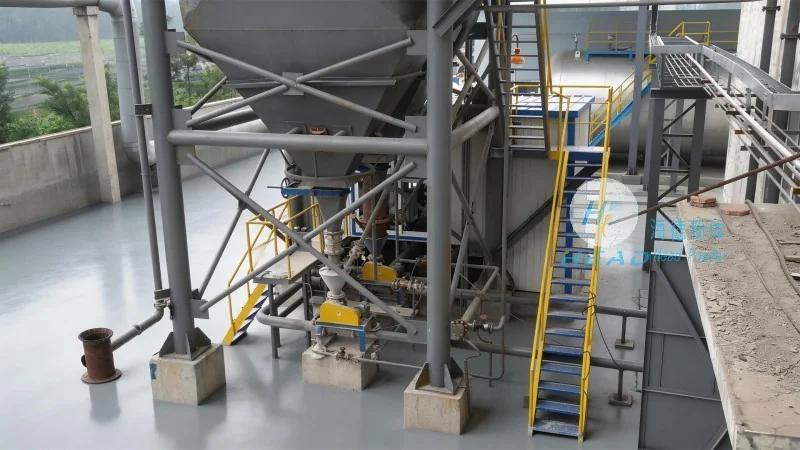
Key Features and Advantages
Plastic pellet material conveying lines offer several key features and advantages that make them indispensable in modern plastic processing facilities. One of the most significant features is their ability to handle a wide range of plastic materials, including different grades and colors of pellets. The systems are designed to accommodate various pellet sizes and shapes, ensuring compatibility with diverse production requirements. Another important feature is the integration of dust control mechanisms, such as sealed conveyor systems and filtration units, which help maintain a clean and safe working environment. This is particularly crucial in industries where dust can be a health hazard or cause equipment damage. Additionally, many conveying lines are equipped with variable speed drives, allowing operators to adjust the flow rate based on production needs. This flexibility helps optimize energy consumption and prevent material degradation due to excessive handling. The control systems also provide real-time monitoring of flow rates, pressure, and other parameters, enabling operators to quickly identify and address any issues that may arise.
Applications and Industry Impact
Plastic pellet material conveying lines are widely used across various industries, including automotive, packaging, and construction. In the automotive industry, these systems are used to transport pellets to injection molding machines for manufacturing car parts like bumpers, interior components, and exterior trim. In the packaging industry, they help supply pellets to extruders for producing plastic films, bottles, and containers. The construction industry also benefits from these systems when producing plastic building materials like pipes, fittings, and panels. The consistent and efficient material flow provided by these conveying lines directly impacts production quality and output. By ensuring that plastic pellets are delivered to processing equipment in a controlled manner, these systems help maintain uniform product properties and reduce defects. This, in turn, enhances the overall efficiency of the manufacturing process and improves product consistency. The reliability of these conveying lines also minimizes downtime, as they are designed to operate continuously with minimal maintenance.
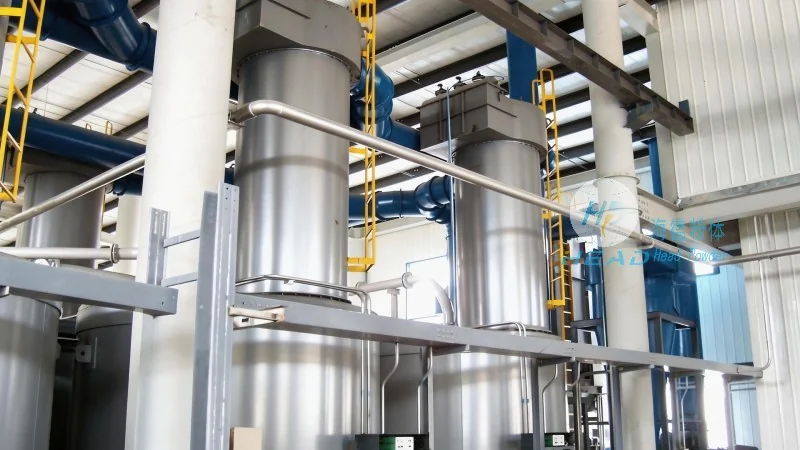
Maintenance and Operational Considerations
Proper maintenance is essential to ensure the longevity and optimal performance of plastic pellet material conveying lines. Regular cleaning of the conveyor components, such as screws and tubes, is necessary to prevent material buildup and blockages. This involves periodic disassembly and cleaning of the system, especially after handling different materials or after extended operation. Lubrication of moving parts, like bearings and gears, is also important to reduce wear and tear. Operators should follow the manufacturer's guidelines for lubrication intervals and types of lubricants to ensure proper operation. Additionally, monitoring the system's performance, including flow rates and pressure, helps identify potential issues before they become major problems. Regular inspections of components such as seals, bearings, and conveyor belts are crucial to detect wear or damage early. Proper training of personnel on the operation and maintenance of the conveying line is also vital to ensure safe and efficient operation. By following these maintenance practices, manufacturers can extend the lifespan of their equipment and minimize downtime, thereby maximizing their return on investment.
Conclusion
In conclusion, plastic pellet material conveying lines are critical components in the plastic processing industry, playing a vital role in ensuring efficient material handling and production. The working principle of these systems, which typically involves mechanical conveyors and control mechanisms, allows for the consistent and controlled movement of plastic pellets. Their key features, such as compatibility with various materials, dust control, and adjustable flow rates, make them versatile and essential for modern manufacturing. By understanding the working principle and features of these conveying lines, manufacturers can optimize their production processes, improve efficiency, and enhance product quality. As the demand for plastic products continues to grow, the importance of reliable and efficient material conveying systems will only increase, making them a key investment for any plastic processing facility. Shandong HeadPowder Engineering Co., Ltd. remains committed to providing high-quality conveying solutions that meet the evolving needs of the industry, ensuring that manufacturers can achieve their production goals with minimal issues and maximum efficiency.