

Working Principle and Features of Barite Powder Material Handling Conveying Systems
Barite powder material handling conveying systems are essential equipment in industrial processing, particularly for the efficient transport of barite powder—a heavy, dense mineral often used as a weighting agent in oil drilling and other applications. This article explores the working principle and key features of such systems, providing insights into their design, operation, and advantages. Developed by Shandong HeadPowder Engineering Co., Ltd., these systems are tailored to handle the unique challenges of barite powder transport, ensuring high efficiency and reliability in industrial settings.
Introduction to Barite Powder Conveying Systems
Barite, or barium sulfate, is a mineral with a high specific gravity, making it ideal for applications requiring density control. In industrial settings, barite powder is commonly used in oil and gas drilling to increase the density of drilling fluids, enhancing stability and preventing blowouts. The efficient transport of this fine powder is critical to maintaining production efficiency and safety. Conveying systems designed specifically for barite powder must address challenges such as dust generation, material flow control, and equipment durability due to the abrasive nature of the powder.
The Working Principle of Barite Powder Conveying Systems
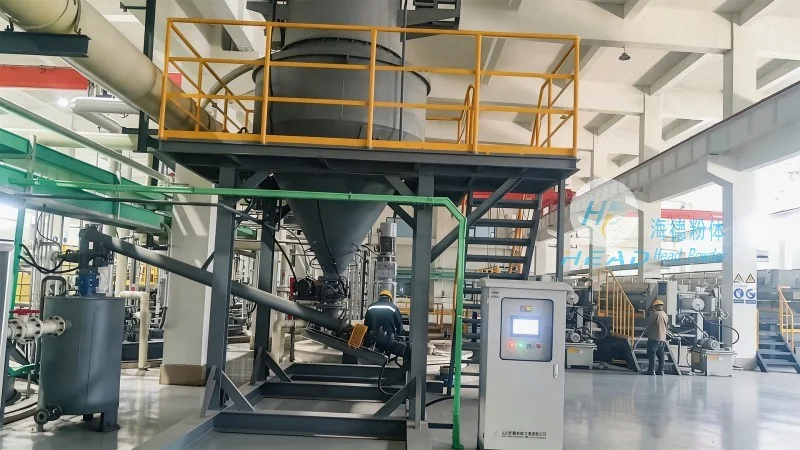
Barite powder conveying systems typically operate on principles of mechanical transport, utilizing components like hoppers, feeders, conveyors, and control mechanisms to move the material from a storage or processing point to a destination. The process generally involves several stages:
First, the barite powder is stored in a hopper or silo. The hopper is equipped with a feeding device, such as a rotary valve or a vibratory feeder, which regulates the flow of material into the conveyor. This ensures a consistent and controlled feed rate, preventing overloading or underloading of the conveyor system.
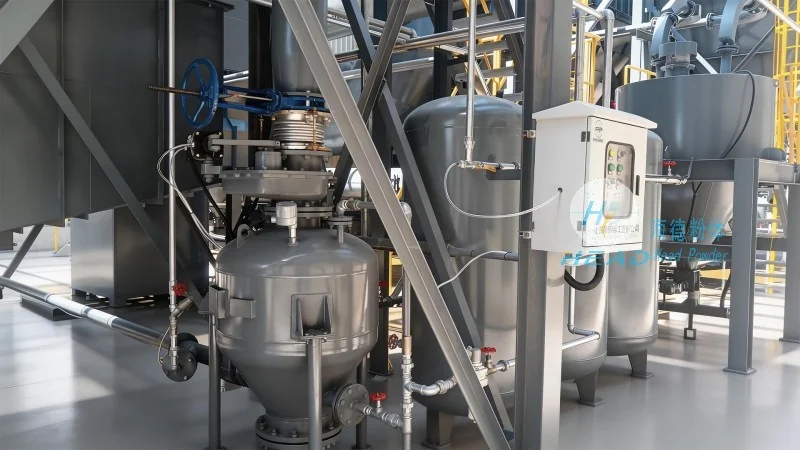
Next, the material is transferred to a conveyor, commonly a screw conveyor or a pneumatic conveyor, depending on the system design. Screw conveyors use rotating screws to move the powder along a tube or trough, while pneumatic conveyors utilize air pressure to transport the material through a pipeline. The choice of conveyor type depends on factors like the material's characteristics, distance to be covered, and required flow rate.
During transport, the system may include features like dust collection and filtration to minimize environmental impact and maintain air quality. Some systems also incorporate cleaning mechanisms to prevent material buildup on conveyor components, ensuring long-term operational efficiency.
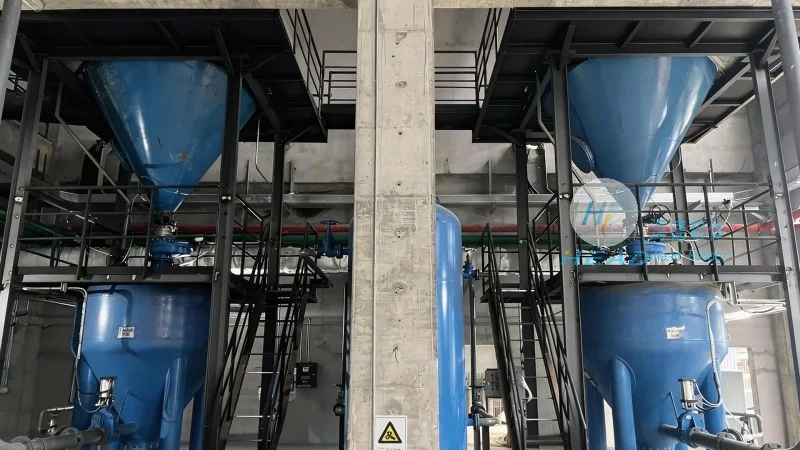
The entire process is controlled by a system of sensors and control panels, which monitor parameters such as flow rate, pressure, and temperature. These controls allow for real-time adjustments to maintain optimal performance and prevent equipment damage.
Key Features of Barite Powder Conveying Systems
Conveying systems for barite powder are designed with several key features to enhance performance and reliability:
1. Dust Control and Environmental Protection: Barite powder is fine and can generate significant dust during handling. Advanced systems include dust collection systems, such as cyclones or baghouses, to capture and filter the powder, reducing emissions and improving workplace safety.
2. Material Flow Regulation: Precise control of material flow is crucial to prevent blockages or uneven distribution. Feeding mechanisms like rotary valves and vibratory feeders provide adjustable flow rates, ensuring consistent material delivery to the conveyor.
3. Corrosion and Abrasion Resistance: Barite powder is abrasive and can cause wear on equipment. Systems are constructed with materials like stainless steel, high-grade alloys, or wear-resistant coatings to extend the lifespan of components and reduce maintenance costs.
4. Energy Efficiency: Modern conveying systems incorporate energy-saving designs, such as variable speed drives and optimized conveyor geometry, to reduce power consumption while maintaining performance.
5. Modular Design: Many systems are modular, allowing for easy expansion or integration with other processing equipment. This flexibility enables customization to meet specific production requirements.
Technical Specifications and Performance
Technical specifications of barite powder conveying systems vary based on application needs, but typical parameters include capacity (e.g., 10-200 tons per hour), conveyor length (ranging from a few meters to several hundred meters), and power requirements (typically 0.5-10 kW per system). The systems are engineered to handle fine powders with particle sizes ranging from 0.1 to 200 microns, ensuring efficient transport without degradation of the material.
Application Examples
Barite powder conveying systems are widely used in the oil and gas industry, where they transport barite to drilling sites. They are also utilized in mining operations for material transport and in chemical processing for handling barite-based products. The systems are designed to operate in harsh environments, with features like weatherproofing and explosion-proof components for safety.
Conclusion
Barite powder material handling conveying systems are critical to the efficient and safe transport of this important industrial mineral. By understanding their working principles and key features, industries can select and implement systems that optimize performance, reduce costs, and enhance safety. The technology behind these systems continues to evolve, with advancements in materials, control systems, and energy efficiency driving further improvements in barite powder handling.