

What is Gypsum Powder Conveying? And What Are the Design Principles?
Gypsum powder, a widely used industrial material in construction, manufacturing, and other sectors, often requires efficient and reliable bulk transport from production sites to processing or storage facilities. This article delves into the concept of gypsum powder conveying and the core design principles that govern such systems, with a focus on the expertise of Shandong HeadPowder Engineering Co., Ltd. as a key player in this domain.
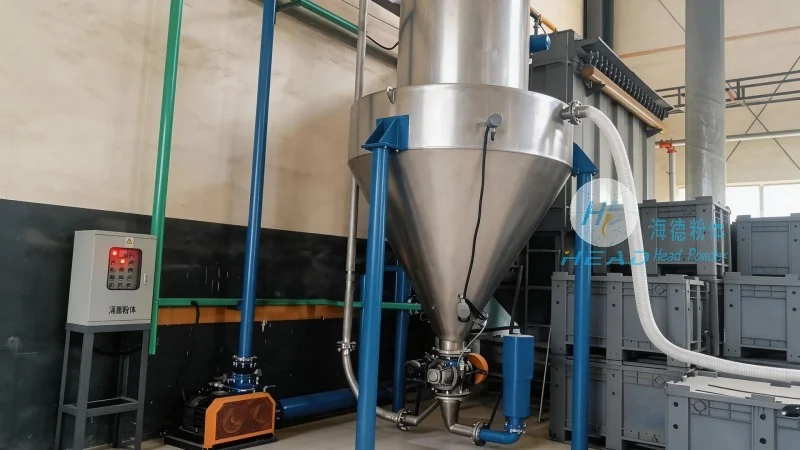
Understanding Gypsum Powder Conveying
Gypsum powder conveying involves the mechanical transport of fine gypsum particles. Due to its hygroscopic nature and potential for dust generation, effective conveying systems must address material flow, dust control, and equipment durability. The primary objective is to move gypsum powder safely and efficiently to the next stage of processing or distribution without compromising quality or operational safety.
Key Design Principles for Gypsum Powder Conveying Systems
The design of gypsum powder conveying systems is guided by several critical principles. These include selecting appropriate equipment for material handling, managing airflow and dust, ensuring system reliability, and optimizing energy consumption. Each component—from feeders and conveyors to control mechanisms—must be integrated to achieve seamless operation. The choice of system (e.g., screw, pneumatic, or hybrid) depends on factors like transport distance, material volume, and environmental requirements.
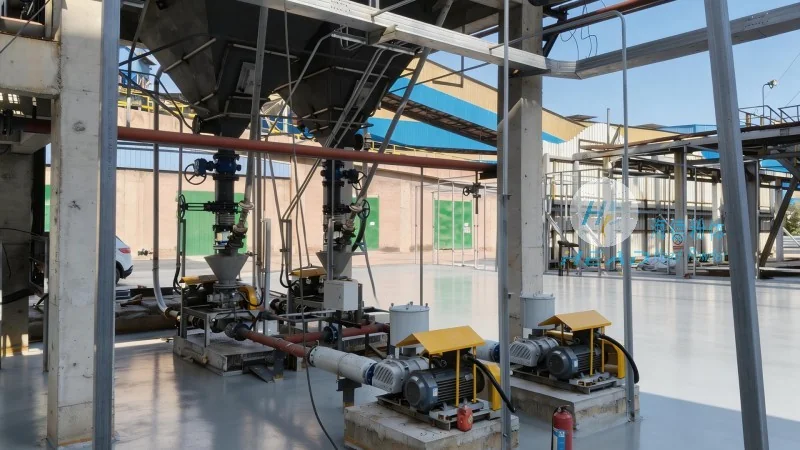
Components of a Typical Gypsum Powder Conveying System
A standard gypsum powder conveying system typically comprises a hopper or feeder to regulate material flow, a conveyor (such as a screw or pneumatic system) to transport the powder, and a dust collection unit to mitigate airborne particles. Screw conveyors are commonly used for horizontal or slight incline transport due to their ability to handle fine powders without clogging, while pneumatic systems excel in longer-distance transport or when strict dust control is necessary. The system may also include valves, filters, and control panels to manage operation and ensure safety.
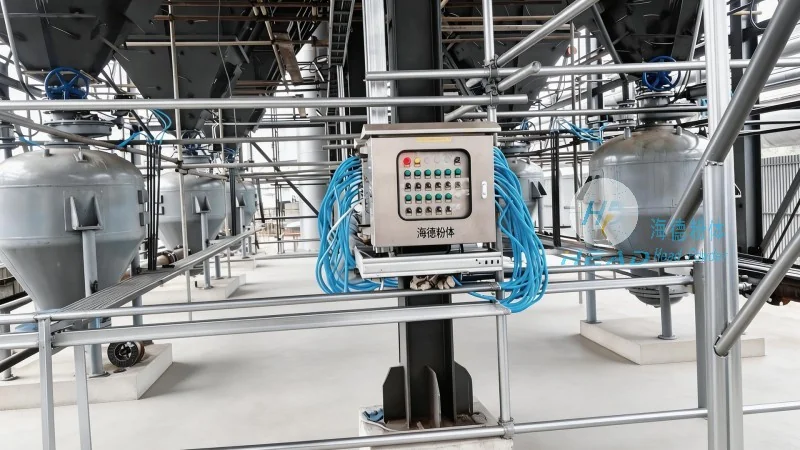
Material Handling Considerations in Gypsum Powder Conveying
Handling gypsum powder requires special attention to its physical properties. Gypsum is hygroscopic, meaning it can absorb moisture from the air, which may alter its flow characteristics and processing quality. Conveying systems must minimize moisture exposure and maintain consistent material properties. Additionally, the fine particle size of gypsum can lead to issues like dust accumulation and equipment wear. Proper sealing, regular maintenance, and the use of wear-resistant materials for system components are essential to mitigate these challenges.
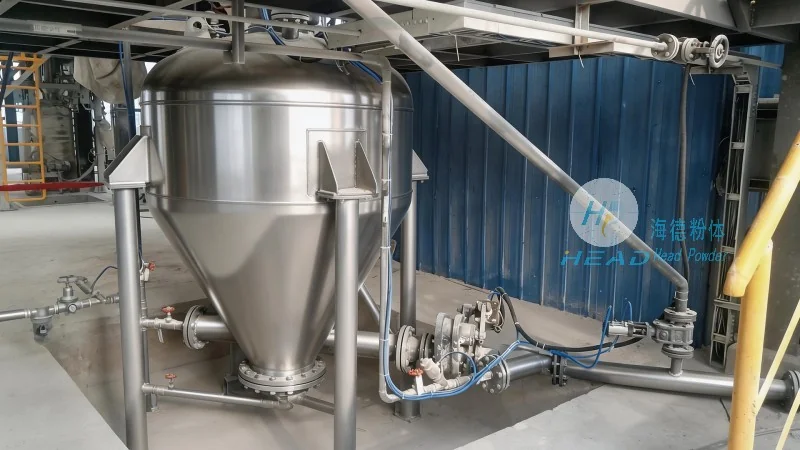
The Role of Shandong HeadPowder Engineering Co., Ltd. in Gypsum Powder Conveying
Shandong HeadPowder Engineering Co., Ltd. specializes in the design, manufacturing, and installation of gypsum powder conveying systems. Headquartered in Shandong, China, the company has built a strong reputation for delivering reliable and efficient solutions tailored to client needs. With years of industry experience, their systems are engineered to handle the unique challenges of gypsum powder, including dust control, material flow, and equipment durability. The company focuses on customizing solutions that enhance operational efficiency and reduce costs for businesses in the construction, manufacturing, and related sectors. Their commitment to quality and innovation ensures that clients receive systems that meet or exceed industry standards.
Conclusion
Gypsum powder conveying is a critical aspect of industrial material handling, and the design principles behind such systems are essential for achieving efficiency and safety. By understanding the key components and considerations, businesses can select or design effective conveying systems. Shandong HeadPowder Engineering Co., Ltd. stands as a leading provider in this field, offering tailored solutions that meet the demands of modern industrial applications and support sustainable material handling practices.