

What is Additive Powder Handling? Exploring Its Design Principles
When it comes to industrial processes that involve the movement and management of powdered materials, understanding additive powder handling is crucial. This article delves into the fundamentals of additive powder handling, exploring the core design principles that underpin efficient and reliable systems for transporting and managing these essential materials. As a leading provider in the field, Shandong HeadPowder Engineering Co., Ltd. (commonly known as HeadPowder) specializes in creating tailored solutions that address the unique challenges of powder handling in various applications.
What is Additive Powder Handling?
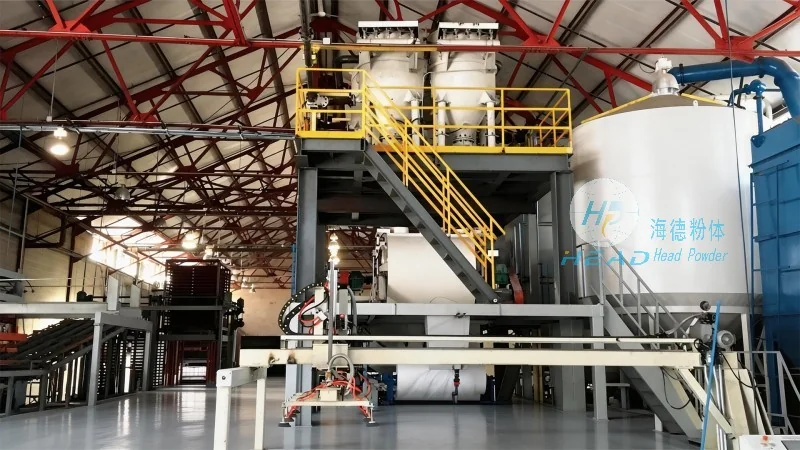
Additive powder handling refers to the technology and systems used to transport, store, and distribute powdered additives—such as chemicals, minerals, or other raw materials—within industrial settings. These powders are often critical components in manufacturing processes, and their proper handling is essential for maintaining product quality, ensuring safety, and optimizing operational efficiency. The process involves a series of steps, from feeding and conveying powders to controlling their flow and preventing issues like caking, segregation, or dust generation. Effective powder handling systems are designed to handle a wide range of materials, from fine powders to bulkier granules, while maintaining consistency and reliability.
The Core Design Principles Behind Effective Powder Handling Systems
At the heart of any successful additive powder handling system are several key design principles that ensure optimal performance. These principles are tailored to address the unique properties of different powders and the specific requirements of each application. The first principle is material compatibility, which involves selecting equipment and materials that are resistant to corrosion, abrasion, and chemical reactions with the powders being handled. This is critical for maintaining the integrity of the system and preventing contamination. Second, flow control is paramount. Proper design ensures that powders move smoothly through the system, minimizing the risk of blockages or uneven distribution. This often involves the use of specialized components like feeders, conveyors, and valves that are engineered to handle the specific characteristics of the powder, such as its density, moisture content, and particle size.
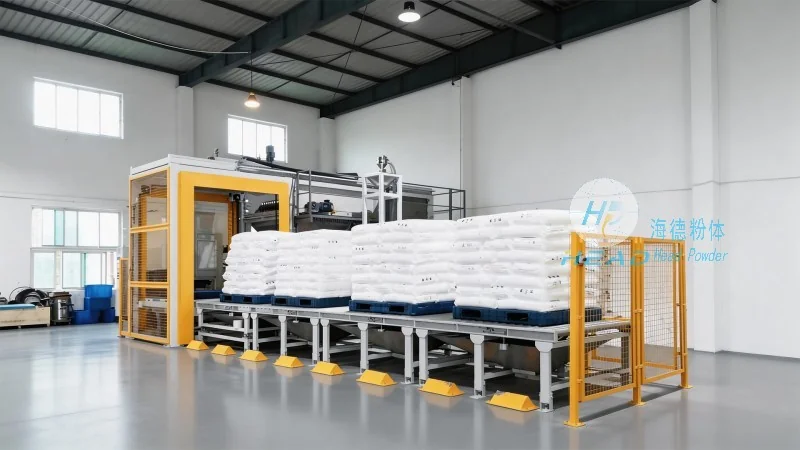
Third, segregation prevention is a critical design consideration. Many industrial powders are prone to segregating—where different particle sizes or densities separate during transport—leading to inconsistent product quality. Advanced systems incorporate features like mixing chambers, vibrators, or air classifiers to maintain homogeneity. Fourth, safety and environmental protection are integral to modern powder handling design. Systems are engineered to minimize dust emissions, prevent explosions (through proper grounding and explosion-proof designs), and ensure operator safety. This includes features like dust collection systems, enclosed hoppers, and automated controls that reduce human exposure to hazardous materials.
Key Components and Their Functions in Powder Handling Equipment
Effective additive powder handling systems rely on a combination of specialized components, each playing a vital role in the overall process. The primary components include hoppers, feeders, conveyors, and control systems. Hoppers are used to store and feed powders into the system, with designs that minimize the risk of caking and ensure a consistent flow. Feeders, such as rotary or vibratory types, regulate the rate at which powders are discharged from the hopper, ensuring precise control over the material flow. Conveyors, including pneumatic or mechanical systems, transport the powders from one location to another, with options like screw conveyors, belt conveyors, or air slides tailored to the specific material and application.
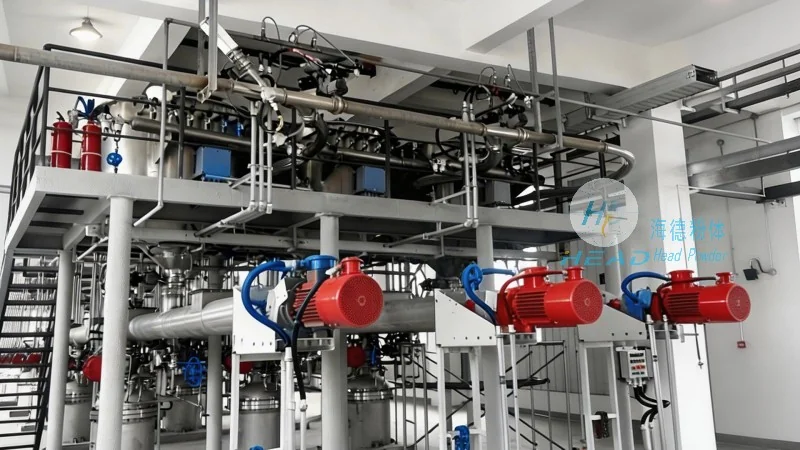
Control systems are another essential element, integrating sensors and automation to monitor and adjust the process in real-time. These systems can detect changes in flow rate, pressure, or temperature, and automatically adjust the equipment to maintain optimal performance. For example, a sensor might detect a blockage in a conveyor and trigger an alarm or activate a backup system to prevent downtime. Additionally, many modern systems incorporate data logging and analytics to provide insights into performance, helping operators identify areas for improvement and optimize efficiency over time.
Applications and Industries Benefiting from Additive Powder Handling
Additive powder handling is a critical technology in numerous industries, where the efficient management of powdered materials directly impacts productivity and product quality. The food and beverage industry, for instance, relies on additive powder handling to incorporate ingredients like flavorings, vitamins, and colorants into products. Pharmaceutical manufacturers use these systems to handle active pharmaceutical ingredients (APIs) and excipients, ensuring precise dosing and preventing contamination. The chemical industry also benefits from advanced powder handling, as it handles a wide range of raw materials and additives for various processes. Other industries, including plastics, agriculture, and mining, also utilize these systems to manage bulk powders and improve operational efficiency.
The Role of HeadPowder in Providing Advanced Powder Handling Solutions
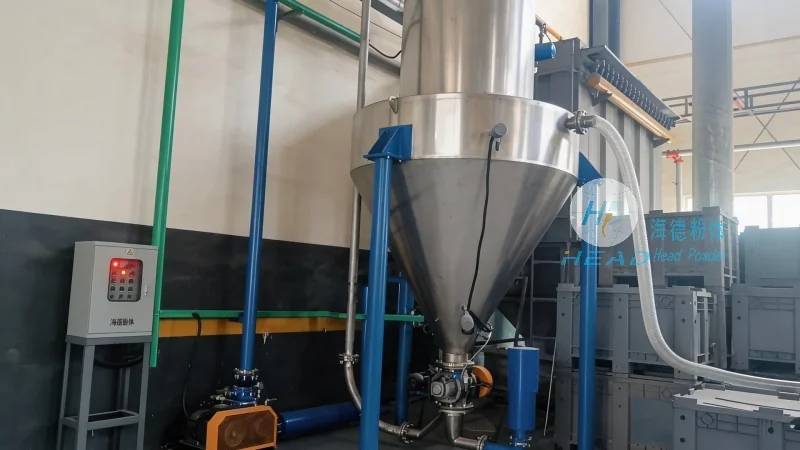
Shandong HeadPowder Engineering Co., Ltd. is a leading manufacturer and supplier of additive powder handling systems, dedicated to delivering high-quality, customized solutions that meet the unique needs of its clients. With years of experience in the industry, HeadPowder has developed a deep understanding of the challenges associated with powder handling and has engineered innovative systems that address these challenges effectively. The company’s expertise lies in designing and manufacturing equipment that is not only efficient and reliable but also safe and environmentally friendly. HeadPowder’s team of engineers works closely with clients to assess their specific requirements, from material properties to operational constraints, and develops tailored solutions that maximize performance and minimize downtime.
HeadPowder’s product line includes a range of powder handling equipment, from basic feeders and conveyors to complex, integrated systems. The company’s commitment to quality is evident in its adherence to international standards and rigorous testing procedures. Each system is designed to handle a variety of powders, from fine powders used in pharmaceuticals to bulkier materials used in construction and agriculture. HeadPowder also provides comprehensive support services, including installation, maintenance, and technical assistance, ensuring that clients can rely on their systems for long-term performance. By combining advanced technology with expert engineering, HeadPowder helps industries across the globe optimize their powder handling processes and achieve their production goals.