

What is Desulfurization Fly Ash Powder Conveying? And What Are Its Design Principles?
Desulfurization fly ash, a byproduct of coal-fired power plants, presents unique challenges in handling and transporting due to its fine particle size and moisture content. Efficient powder conveying systems are essential for managing this material, ensuring safe and reliable transport from storage to processing or disposal sites. This article explores the fundamental aspects of desulfurization fly ash powder conveying, focusing on the core design principles that enable effective material movement.
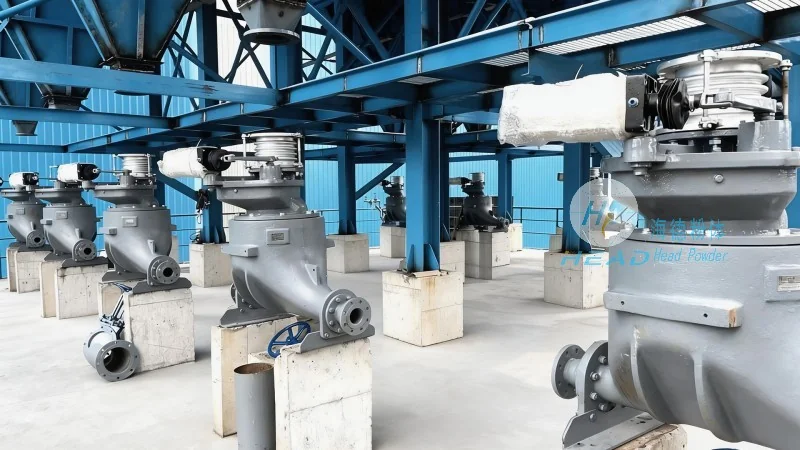
Company Overview: Shandong HeadPowder Engineering Co., Ltd.
Shandong HeadPowder Engineering Co., Ltd., operating under the brand name headpowder, is a leading provider of engineering solutions for powder handling and conveying systems. With a strong presence in China, particularly in Shandong province, the company specializes in customizing and implementing advanced technologies tailored to the specific needs of industrial applications. Their expertise lies in designing systems that address the complexities of handling materials like desulfurization fly ash, ensuring compliance with safety standards and operational efficiency.
Understanding Desulfurization Fly Ash and Its Conveying Challenges
Desulfurization fly ash, also known as FGD (Flue Gas Desulfurization) fly ash, is generated during the process of removing sulfur dioxide from flue gases. It consists of fine particles, typically ranging from 1 to 100 microns, and often contains moisture, which can affect its flow properties and handling characteristics. The primary challenges in conveying this material include:
- **Flowability Issues**: The fine particle size and moisture content can lead to bridging, caking, or agglomeration, making it difficult to move through pipelines or storage vessels.
- **Dust Control**: The powdery nature of the material poses significant dust exposure risks, requiring effective containment and filtration systems.
- **Corrosion and Wear**: The abrasive nature of the ash can cause wear on equipment components, necessitating durable materials and regular maintenance.
- **Environmental Compliance**: Proper handling and transport must adhere to environmental regulations to minimize air and water pollution.
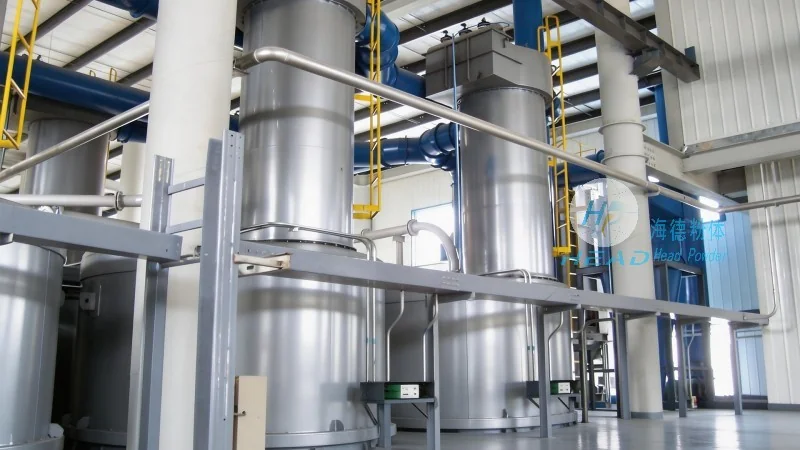
Core Design Principles for Efficient Powder Conveying Systems
Efficient desulfurization fly ash powder conveying systems are built on several key design principles that address the challenges outlined above. These principles ensure reliable operation, minimal downtime, and compliance with safety and environmental standards. The primary design considerations include:
- **Adequate Airflow and Pressure**: The system must maintain sufficient airflow and pressure to overcome resistance in pipelines and ensure consistent material transport. This often involves using positive displacement blowers or vacuum systems.
- **Dust Suppression and Collection**: Effective dust control measures, such as enclosures, seals, and filtration systems, are critical to prevent airborne dust and protect personnel and the environment.
- **Material Handling Equipment**: The choice of equipment, such as screw conveyors, pneumatic conveyors, or pneumatic vacuum systems, depends on the specific characteristics of the fly ash and the application requirements. Each type offers advantages in terms of flowability, cost, and maintenance.
- **System Integration and Automation**: Modern conveying systems integrate sensors, controls, and automation to monitor performance, detect issues, and adjust parameters in real-time. This enhances operational efficiency and reduces human error.
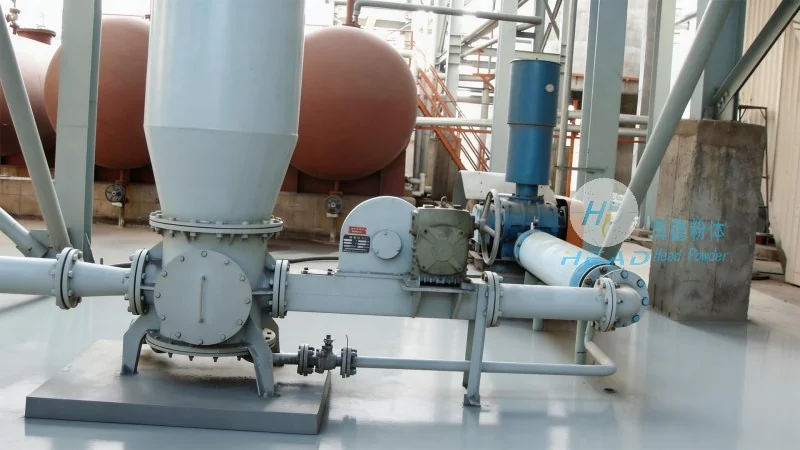
Key Components and Technologies in Desulfurization Fly Ash Conveying
Several key components and technologies are integral to the design and operation of desulfurization fly ash conveying systems. These components work together to ensure the safe and efficient transport of the material. Some of the most important components include:
- **Conveying Equipment**: Pneumatic conveyors, which use air to move the material, are commonly used for desulfurization fly ash due to their ability to handle fine powders and minimize dust. Screw conveyors, on the other hand, are suitable for bulk handling and can be integrated with pneumatic systems for enhanced performance.
- **Dust Collection Systems**: High-efficiency particulate air (HEPA) filters or cyclone separators are used to capture and remove dust from the air stream, ensuring compliance with air quality standards.
- **Seal and Enclosure Systems**: Proper sealing of equipment and pipelines prevents dust leakage and maintains the integrity of the conveying system. This includes using flexible seals, gaskets, and enclosed structures.
- **Control and Monitoring Systems**: Sensors for pressure, flow, and temperature, along with control panels, allow operators to monitor system performance and make adjustments as needed. Automation software can optimize the system's operation based on real-time data.
Practical Applications and Industry Impact
Desulfurization fly ash powder conveying systems are widely used in various industrial sectors, including power generation, cement production, and construction materials manufacturing. The efficient handling of this material is crucial for the following applications: