

Working Principle and Features of Polycarbonate Material Conveying Lines
Polycarbonate material conveying lines are sophisticated systems designed to handle the transportation of polycarbonate materials efficiently and safely. These lines are integral to various industrial applications, particularly in manufacturing processes where polycarbonate is used as a primary material. Understanding the working principle and key features of such systems is crucial for optimizing production workflows and ensuring product quality.
Introduction to Polycarbonate Material Conveying Lines
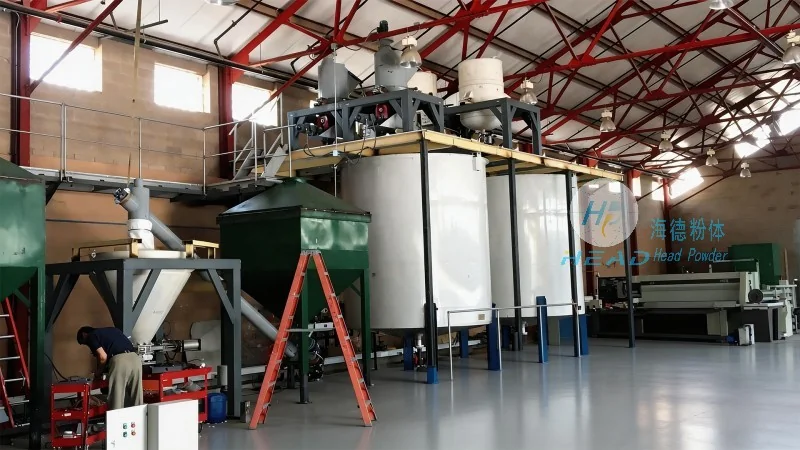
Polycarbonate, a thermoplastic polymer known for its high impact resistance, transparency, and durability, is widely utilized in industries like automotive, electronics, and construction. The conveying lines for polycarbonate materials are engineered to manage the material from raw form to finished products, integrating various components such as feeders, conveyors, and processing units. The design of these systems is tailored to the specific properties of polycarbonate, including its lightweight nature and potential sensitivity to handling conditions.
Working Principle of Polycarbonate Material Conveying Lines
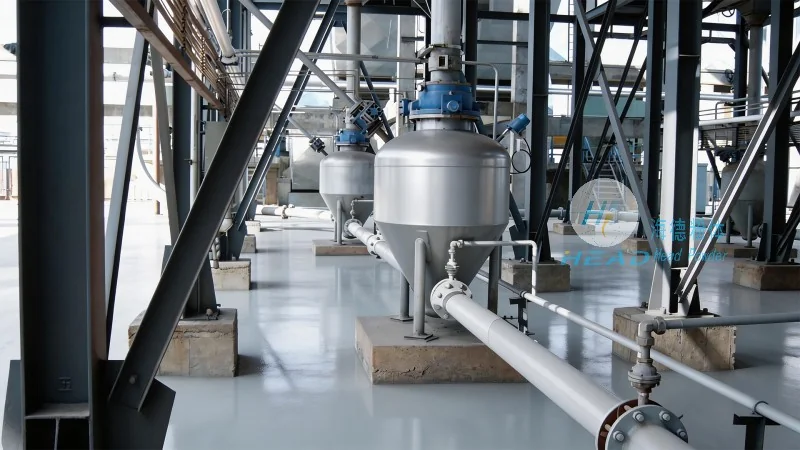
The working principle of a polycarbonate material conveying line typically involves several sequential steps that ensure the material is transported smoothly and without damage. The process begins with the feeding of polycarbonate pellets or granules into the system. This is often achieved through a hopper or feeder that regulates the flow rate, preventing overloading or underfeeding. The material then moves through a series of conveyors, which may include screw conveyors, belt conveyors, or pneumatic systems, depending on the application and material characteristics.
During transportation, the system maintains consistent speed and direction to avoid material degradation. For polycarbonate, which can be prone to static electricity or mechanical stress, special considerations are made in the design. Anti-static measures, such as grounding or ionizers, are incorporated to prevent static buildup that could affect material flow or cause contamination. Additionally, the conveyors are often equipped with smooth surfaces and gentle curves to minimize friction and impact, preserving the material's integrity.
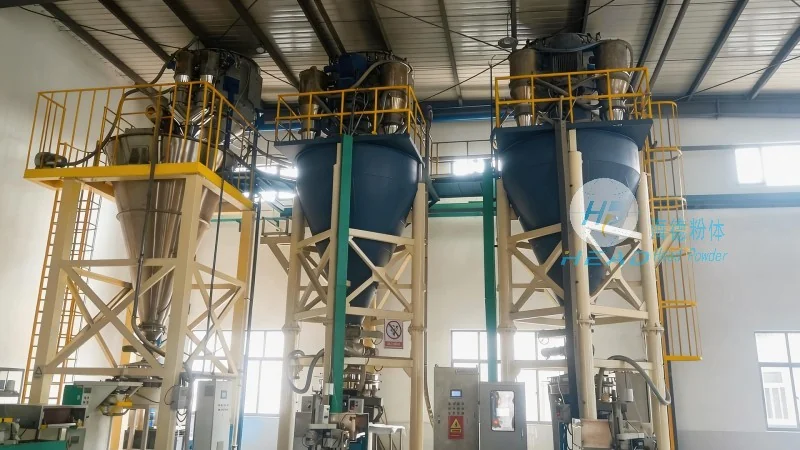
The conveying line may also include processing units like mixers or extruders, where the polycarbonate is further processed before moving to the next stage. Sensors and control systems are integrated to monitor the flow, temperature, and pressure, ensuring that the material is handled under optimal conditions. The entire system operates under a closed-loop control, allowing for real-time adjustments to maintain efficiency and product quality.
Key Features of Polycarbonate Material Conveying Lines
Polycarbonate material conveying lines are characterized by several key features that enhance their performance and reliability. One of the primary features is the use of specialized materials for the conveyor components, such as food-grade or corrosion-resistant metals, to ensure compatibility with polycarbonate and prevent contamination. The systems are also designed with high precision and durability, capable of handling continuous operation in demanding industrial environments.
Another notable feature is the integration of advanced automation and control technologies. Modern conveying lines are equipped with programmable logic controllers (PLCs) and sensors that enable precise control over the material flow, speed, and temperature. This automation not only improves efficiency but also reduces the risk of human error, ensuring consistent product quality. Additionally, the systems are designed for easy maintenance and cleaning, with components that can be easily disassembled and sanitized, which is particularly important in industries where hygiene is critical.
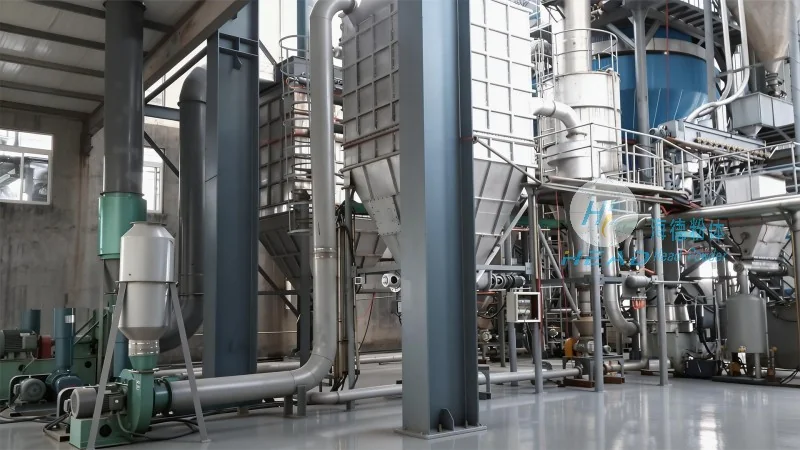
The flexibility of polycarbonate material conveying lines is another significant feature. These systems can be customized to accommodate different material types, sizes, and processing requirements. They can be scaled to handle small batches or large-scale production, making them suitable for a wide range of applications. The modular design allows for easy expansion or modification as production needs change, providing long-term value and adaptability.
Applications and Benefits in Industrial Settings
Polycarbonate material conveying lines find extensive applications in various industries due to their ability to handle the material efficiently. In the automotive industry, these systems are used to transport polycarbonate components for car parts, such as headlights or interior panels. The high impact resistance and transparency of polycarbonate make it ideal for such applications, and the conveying lines ensure that these components are produced with consistent quality and minimal defects.
In the electronics industry, polycarbonate is used for manufacturing enclosures and housings for electronic devices. The conveying lines help in moving the material through the manufacturing process, from molding to assembly. The precision and reliability of these systems contribute to the production of high-quality electronic products, meeting the stringent requirements of the industry.
The benefits of using polycarbonate material conveying lines extend beyond efficiency and quality. These systems enhance safety by reducing manual handling of polycarbonate materials, which can be hazardous if not handled properly. The automated processes minimize the risk of accidents and exposure to potential contaminants. Additionally, the energy efficiency of modern conveying lines reduces operational costs, making them a cost-effective solution for industrial applications.
Conclusion
Polycarbonate material conveying lines are essential components in industrial processes, offering efficient and reliable transportation of polycarbonate materials. Their working principle, which involves controlled feeding, smooth conveyance, and advanced processing, ensures that the material is handled with precision and care. The key features, including specialized components, automation, and flexibility, make these systems suitable for diverse applications and production scales. As industries continue to rely on polycarbonate for its superior properties, the importance of well-designed conveying lines will only grow, contributing to improved productivity and product quality.