For industrial applications involving the handling of potassium hydroxide (KOH), efficient and reliable material conveying systems are essential. The potassium hydroxide material conveying line, designed by Shandong HeadPowder Engineering Co., Ltd., based in China, represents a sophisticated solution tailored to meet the demands of modern chemical processing. This system is engineered to ensure safe, efficient, and consistent transport of KOH, a highly caustic and reactive chemical, from storage to processing units. Understanding its working principle and key features is crucial for optimizing operational efficiency and maintaining safety standards in industrial settings.
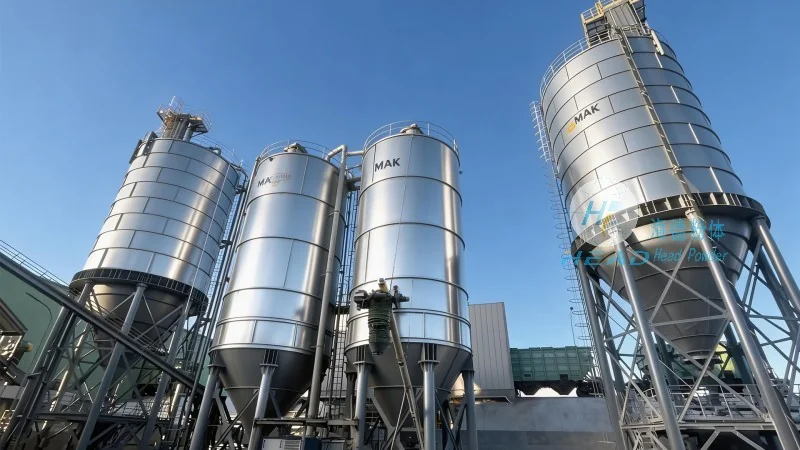
The Working Principle of the Potassium Hydroxide Material Conveying Line
The core of the potassium hydroxide material conveying line is a carefully engineered combination of components that work in tandem to facilitate the movement of KOH. The process begins with the storage of KOH in specialized containers, typically equipped with temperature and pressure control systems to maintain the material's stability. From the storage tank, the KOH is transferred to the conveying system via a pump or gravity feed, depending on the system's design and the specific requirements of the application. The conveying line itself may incorporate various mechanisms such as screw conveyors, belt conveyors, or pneumatic systems, each chosen based on factors like the material's properties, the required throughput, and the distance to be covered.
Once the KOH is in the conveying system, it is transported through a series of pipes or channels. The design of these components is critical to prevent corrosion and leakage, as KOH is highly corrosive to many common materials. Stainless steel or specialized alloys are commonly used for the construction of the conveying line to ensure durability and safety. The system may also include valves, gates, and control mechanisms that regulate the flow rate and direction of the material, allowing for precise control over the conveying process. Sensors and monitoring equipment are integrated into the system to provide real-time data on the material's status, flow rate, and any potential issues, enabling proactive maintenance and operational adjustments.
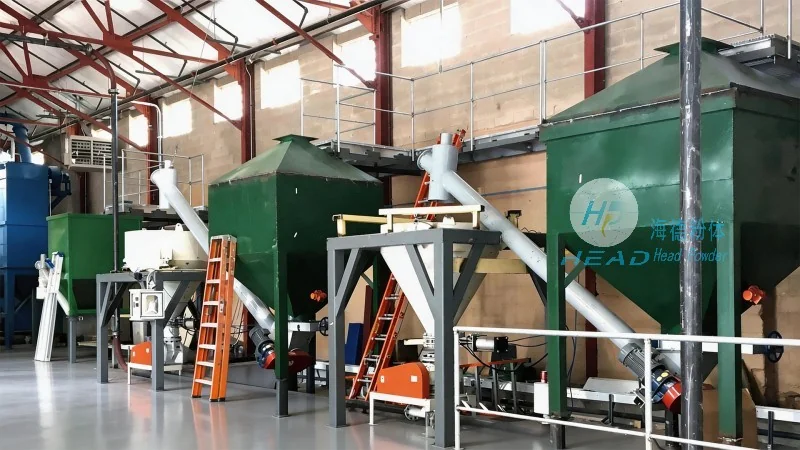
Key Features of the Potassium Hydroxide Material Conveying Line
The potassium hydroxide material conveying line from Shandong HeadPowder Engineering Co., Ltd. is distinguished by several key features that enhance its performance and reliability. One of the primary features is its robust construction, which is designed to withstand the harsh conditions associated with handling KOH. The use of high-quality materials, such as corrosion-resistant stainless steel, ensures that the system remains durable and long-lasting, reducing the need for frequent maintenance and replacement.
Another significant feature is the system's flexibility in terms of customization. Shandong HeadPowder Engineering Co., Ltd. offers tailored solutions that can be adapted to meet the specific needs of different industrial applications. This includes the ability to adjust the conveyor speed, capacity, and layout based on the volume of KOH being handled and the layout of the processing facility. The system is also designed for easy integration with existing industrial infrastructure, minimizing the disruption to current operations during installation.
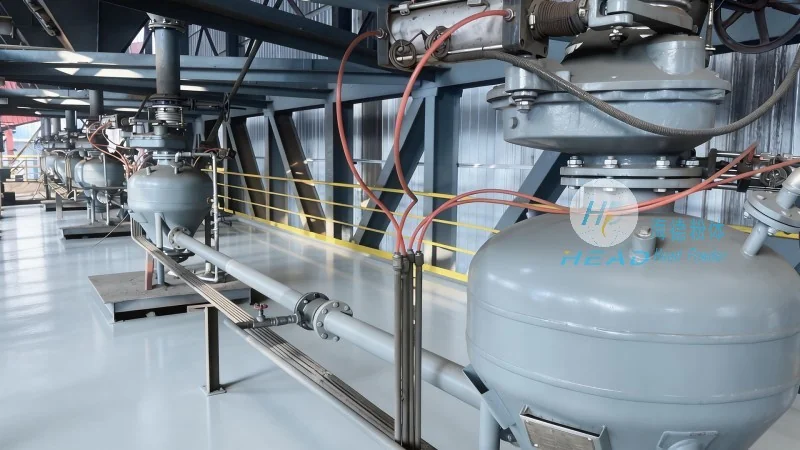
Operational safety is a paramount consideration in the design of the potassium hydroxide material conveying line. The system incorporates multiple safety features, including emergency shut-off valves, pressure relief systems, and monitoring sensors that detect any deviations from normal operating conditions. These features help to prevent accidents and ensure the safety of personnel and equipment. Additionally, the system is equipped with automated control systems that can detect and respond to potential issues, such as blockages or leaks, in real-time, further enhancing safety and operational reliability.
The system's efficiency is another notable feature. By optimizing the flow of KOH through the conveying line, the system minimizes energy consumption and reduces the time required for material transport. This leads to increased productivity and lower operational costs for the end-user. The use of advanced materials and engineering techniques also contributes to the system's efficiency, ensuring that it operates at peak performance levels.




