Barley malt material conveying lines are critical equipment in the brewing industry, engineered to efficiently transport malt and other raw materials from storage to processing units. These systems are designed to handle the unique characteristics of barley malt, ensuring minimal damage and optimal flow during material handling. The following sections will explore the working principle and key features of such conveying lines, offering insights into their functionality and benefits.
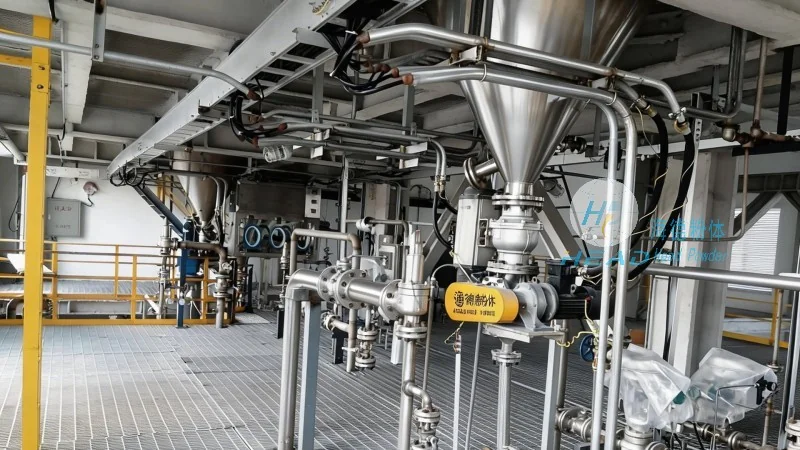
Working Principle of the Conveying Line
The operation of a barley malt material conveying line involves interconnected components working in coordination to move materials through the system. The process starts with loading malt from storage silos or hoppers into the initial feeding mechanism, often via gravity feed or mechanical augers that lift and transport the malt to the first processing stage. As the malt moves through the conveyor, it may encounter elevators, belt conveyors, or pneumatic systems, depending on the line's design. Each component is calibrated to maintain malt integrity, preventing breakage or excessive pressure that could affect quality. The control system, integrated with sensors and automation, monitors flow rate and adjusts conveyor speed to ensure smooth, consistent transport. This automation maintains optimal conditions throughout, from initial loading to final delivery to malting or brewing equipment.
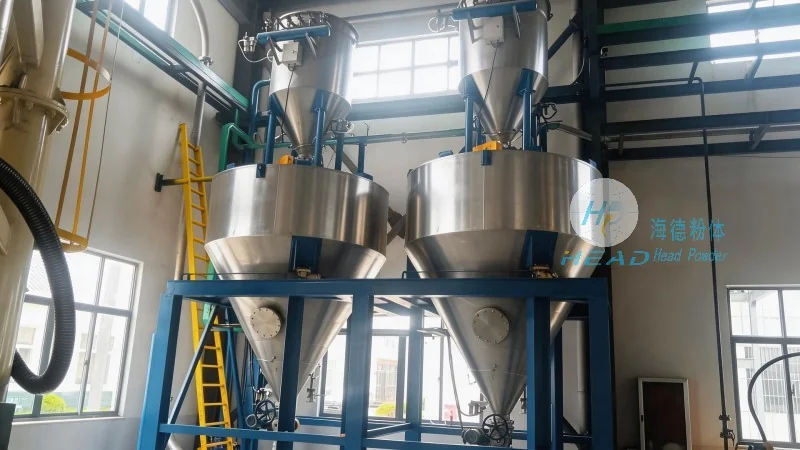
Key Features of the System
Barley malt material conveying lines are defined by several key features enhancing performance and reliability. Primary features include the use of durable, food-grade materials for all components, ensuring malt remains uncontaminated and free from chemical residues. The conveyor systems feature smooth surfaces and minimal sharp edges to protect delicate malt grains. Adjustable speed controls and variable frequency drives allow operators to customize flow rates based on production needs and material characteristics, providing flexibility for varying batch sizes and processing requirements. Integration of cleaning and maintenance systems enables quick, thorough sanitation between batches, maintaining hygiene standards and compliance with industry regulations. Safety features such as emergency stop buttons, overload protection, and visual indicators ensure safe and efficient operation, minimizing downtime and hazards.
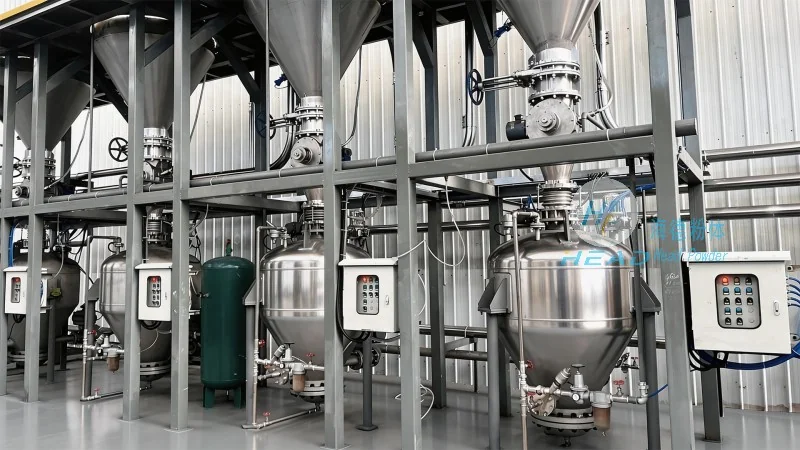
Technical Specifications and Application Scenarios
The technical specifications of barley malt material conveying lines vary by brewing facility requirements. Common specifications include conveyor capacity, ranging from several tons per hour to higher volumes for large-scale operations. Conveyor length and height are tailored to facility layout, with vertical elevators for significant vertical transport. Construction materials like stainless steel or food-grade plastic are chosen for corrosion resistance and ease of cleaning. Control systems may incorporate programmable logic controllers (PLCs) for advanced automation and data logging, providing real-time performance insights. These technical features support high production efficiency and consistent product quality. Application scenarios span small craft breweries to large commercial facilities, used in stages like transporting malt to mashing tanks, moving spent grains to disposal areas, or conveying hops and adjuncts. The versatility makes these systems essential to overall material handling infrastructure.
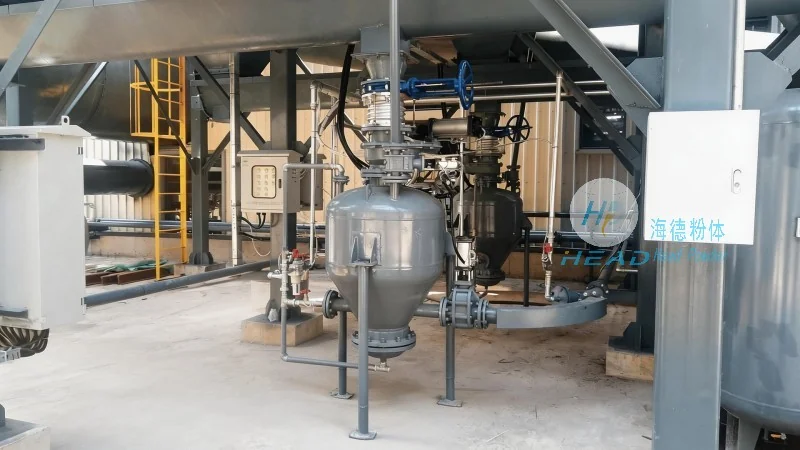
Company Information and Contact Details
For inquiries about barley malt material conveying lines, contact Shandong HeadPowder Engineering Co., Ltd., a leading manufacturer specializing in brewing industry conveying solutions. The company focuses on innovation and customer satisfaction, offering high-quality products tailored to operational needs. HeadPowder’s headquarters is in Shandong, China, serving global clients with engineering and manufacturing expertise. For further details or to discuss specific requirements, reach out to their sales team.




