Food material conveying lines are essential components in the food processing industry, designed to efficiently transport various food products and raw materials through a series of mechanical systems. Understanding their working principles and key features is crucial for optimizing production processes and ensuring compliance with hygiene standards in food manufacturing. HeadPowder, a prominent name in the industry, offers advanced solutions tailored to meet these demands.
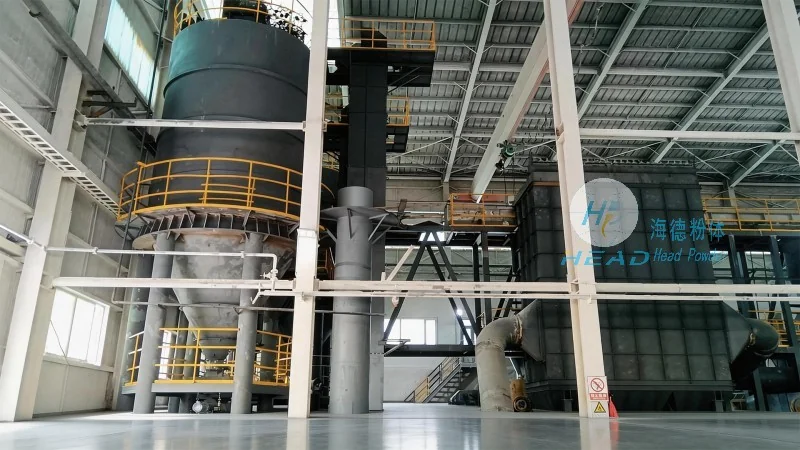
Working Principle of Food Material Conveying Lines
At the core of food material conveying lines is a systematic approach to material handling, which typically involves several interconnected components working in tandem. The process generally begins with the loading of raw materials or finished products into the system. This is often facilitated by hoppers or feeders that ensure a consistent flow of material into the conveyor. Once loaded, the material is transported along a designated path, which may include different types of conveyors such as belt conveyors, chain conveyors, or pneumatic conveyors, depending on the specific requirements of the food product and the production environment.
The driving mechanism, usually powered by electric motors, provides the necessary force to move the material along the conveyor. Sensors and control systems are integrated to monitor the flow, adjust speed, and prevent blockages or overloading. This automation ensures that the conveying process operates smoothly and efficiently, minimizing downtime and maximizing throughput. Additionally, the system may include cleaning mechanisms and sanitary design features to maintain hygiene standards, which are critical in food processing applications.
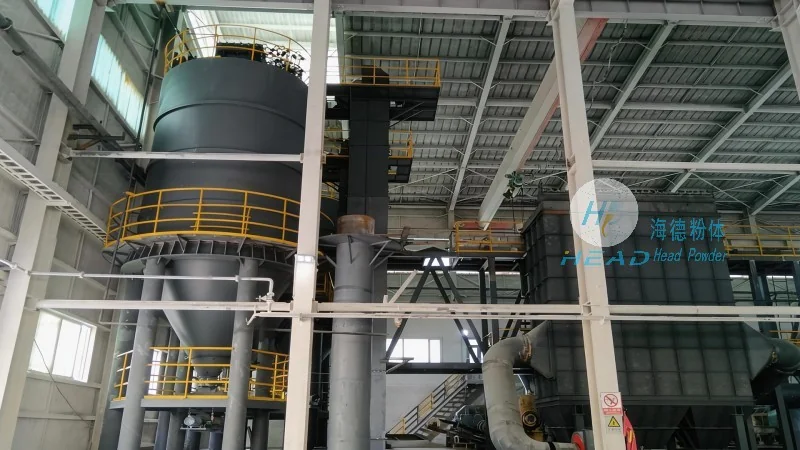
Key Features of Food Material Conveying Lines
Food material conveying lines are characterized by several key features that enhance their functionality and adaptability in food processing environments. One of the primary features is their modular design, allowing for flexibility in system configuration. This modularity enables manufacturers to customize the conveying line to suit specific production needs, whether for bulk raw material handling or packaging line integration. The systems are also designed with hygienic considerations in mind, featuring smooth surfaces, easy-to-clean components, and materials that are resistant to corrosion and food contamination. These features are essential for maintaining compliance with food safety regulations and ensuring product quality.
Another important feature is the integration of advanced control technologies. Modern conveying lines often incorporate programmable logic controllers (PLCs) and user-friendly interfaces that allow operators to monitor and adjust the system parameters in real-time. This not only improves operational efficiency but also enhances safety by preventing accidents and ensuring that the system operates within safe limits. The systems are also equipped with safety sensors and emergency stop mechanisms to protect both personnel and equipment during operation.
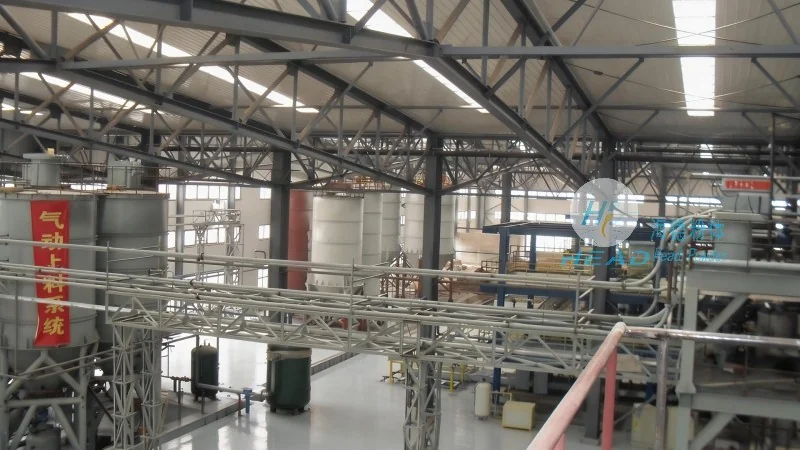
Energy efficiency is another notable feature of contemporary food material conveying lines. Manufacturers have developed systems that minimize energy consumption while maintaining high performance. This is achieved through optimized motor control, variable speed drives, and efficient conveyor designs that reduce friction and energy loss. Such energy-saving features not only lower operational costs for food processing facilities but also contribute to environmental sustainability, aligning with the growing demand for eco-friendly industrial solutions.
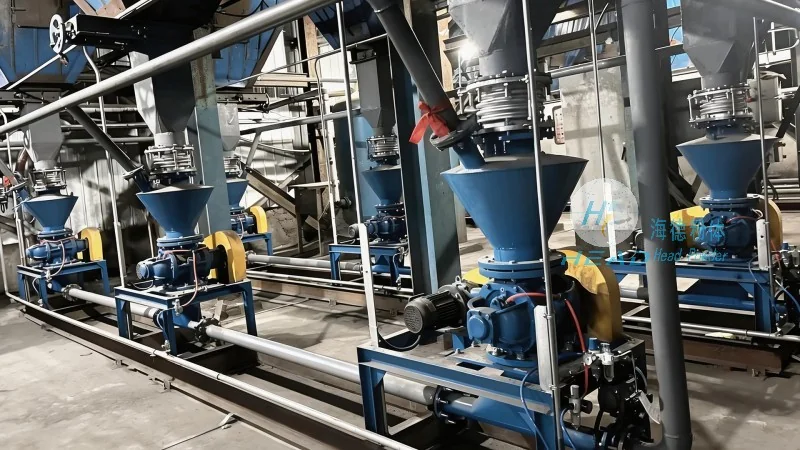
Customization and Application Examples
Shandong HeadPowder Engineering Co., Ltd., a leading provider of food processing equipment, specializes in designing and manufacturing customized food material conveying lines tailored to the unique needs of food manufacturers. The company’s expertise lies in integrating advanced technology with hygienic design principles to deliver reliable and efficient conveying solutions. For instance, a typical application might involve a conveying line used in a bakery to transport freshly baked bread loaves from the oven to the packaging area. The system would include a belt conveyor with adjustable speed controls to match the production rate, and a cleaning mechanism to maintain hygiene between batches.
In another example, a food processing plant might use a pneumatic conveying line to transport powdered ingredients, such as flour or sugar, from storage silos to the production line. This system would utilize air pressure to move the material through a network of pipes, ensuring a dust-free and hygienic transfer process. The modular design of the system allows for easy expansion or reconfiguration as production needs change, providing long-term value to the customer.




