Feather material conveying lines are specialized industrial systems designed to efficiently transport and handle feather-based materials. These systems are crucial in various industries, including poultry processing, feather processing, and related manufacturing sectors. The design and functionality of these conveying lines are tailored to meet the unique characteristics of feather materials, such as their lightweight, irregular shapes, and tendency to clump or aggregate. Understanding the working principle and key features of these systems is essential for optimizing material handling processes and enhancing operational efficiency.
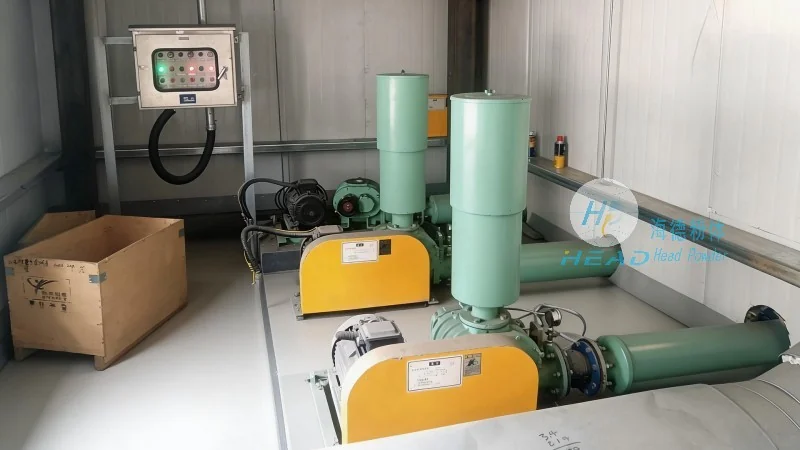
Company Overview: Shandong HeadPowder Engineering Co., Ltd.
HeadPowder, a leading manufacturer based in Shandong, China, specializes in the design, manufacturing, and supply of advanced material handling equipment. With a strong commitment to quality and innovation, HeadPowder has established itself as a trusted partner in the industry. The company's headquarters is located in Shandong, China, where it leverages local resources and expertise to develop cutting-edge solutions for diverse material handling challenges. HeadPowder's products are engineered to meet international standards and are widely recognized for their durability, reliability, and performance in demanding industrial environments.
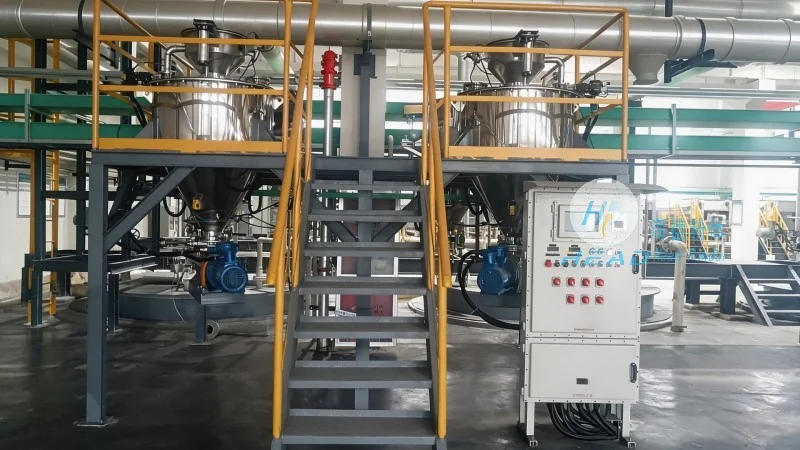
The Working Principle of Feather Material Conveying Lines
The working principle of feather material conveying lines typically involves a combination of mechanical components working in concert to move materials from one location to another. The core components include feeders, conveyors (such as belt conveyors, screw conveyors, or pneumatic conveyors), and control systems. The process begins with the material being fed into the system, often through a hopper or a manual loading station. The feeder then distributes the material evenly onto the conveyor belt or into the conveyor channel. For feather materials, which are lightweight and can be prone to air resistance, pneumatic conveyors are often preferred as they use air pressure to transport the material, minimizing friction and ensuring smooth movement. The conveyor system then transports the material to the desired destination, such as a processing unit, storage area, or packaging station. Control systems, including sensors and automation devices, monitor the flow of material and adjust the speed or direction of the conveyor as needed to maintain optimal performance. This integrated approach ensures that the conveying line operates efficiently and reliably, even with the unique challenges posed by feather materials.
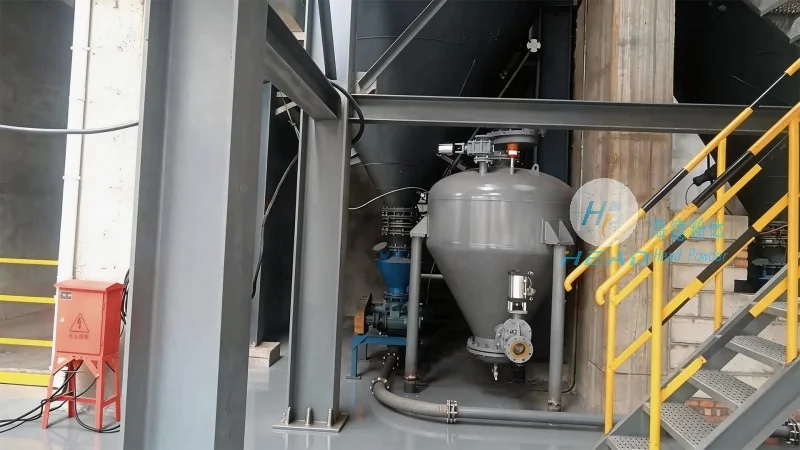
Key Features of Feather Material Conveying Lines
Feather material conveying lines from HeadPowder are equipped with several key features that enhance their performance and adaptability. One of the primary features is the use of flexible and durable materials for the conveyor components, such as food-grade rubber or specialized plastic belts, which can withstand the abrasive nature of feather materials and resist wear and tear. The systems are also designed with adjustable speed controls, allowing operators to modify the conveyor speed based on the material characteristics and processing requirements. This flexibility ensures that the conveying line can handle a wide range of feather materials, from fine down to larger feathers, without compromising efficiency. Another important feature is the inclusion of dust collection and filtration systems, which help to maintain a clean and safe working environment by capturing airborne particles and preventing contamination. The conveying lines are also equipped with safety features, such as emergency stop buttons and protective guards, to ensure operator safety during operation. Additionally, the systems are designed for easy maintenance and cleaning, with removable components that can be easily disassembled and cleaned to prevent the buildup of feather debris. These features collectively contribute to the overall efficiency, reliability, and longevity of the conveying lines, making them a preferred choice for industrial applications.
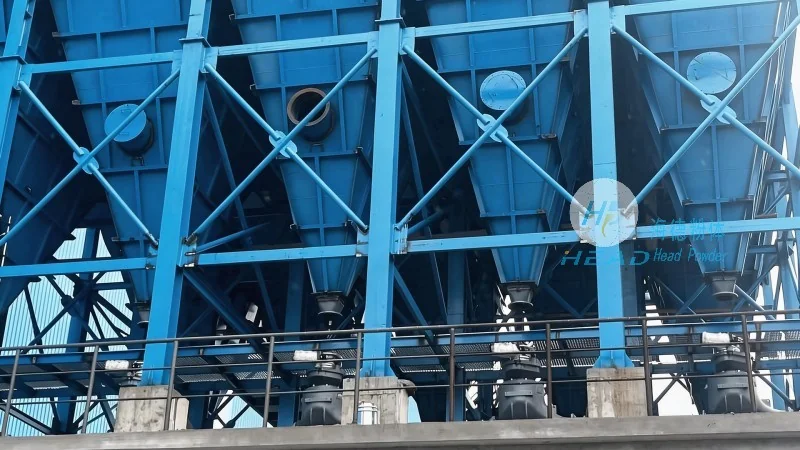
Application and Operational Benefits
Feather material conveying lines are widely used in various applications, including the processing of raw feathers into down and feathers, the transportation of feathers to packaging or storage facilities, and the integration of feather materials into other manufacturing processes. The operational benefits of these systems include improved material handling efficiency, reduced labor costs, and enhanced product quality. By automating the material transport process, the conveying lines minimize the need for manual handling, which reduces the risk of material damage and improves workplace safety. The systems also contribute to better inventory management by ensuring that feather materials are transported in a controlled and organized manner, preventing loss or contamination. Furthermore, the use of advanced control systems allows for real-time monitoring and adjustment of the conveying process, enabling operators to optimize performance and respond quickly to changes in material flow or processing requirements. These benefits make feather material conveying lines an essential component of modern industrial operations, particularly in the poultry and feather processing industries.




