

Pros and Cons of Negative Pressure and Positive Pressure Conveying in Soybean Meal Pneumatic Transpo
HeadPowder, a leading provider of engineering solutions for material handling, explores the advantages and disadvantages of negative pressure and positive pressure conveying systems in the context of soybean meal transport. This analysis is crucial for industries seeking efficient and cost-effective methods to handle this high-volume agricultural product.
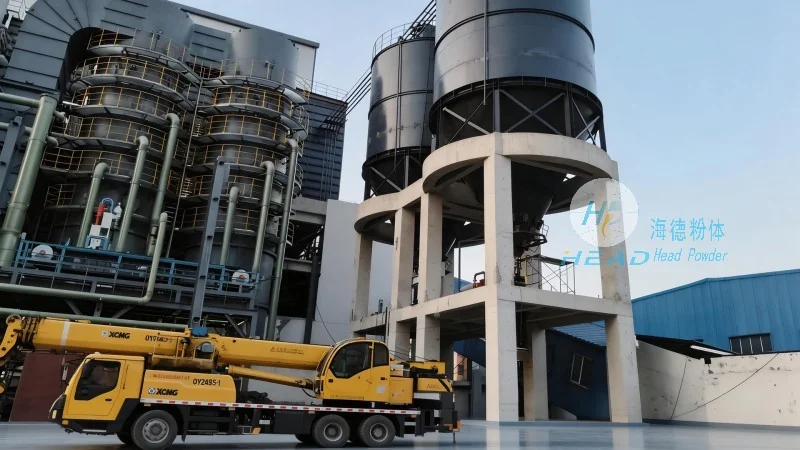
Introduction to Pneumatic Conveying in Soybean Meal Transport
Pneumatic conveying is a widely used technology for transporting bulk materials like soybean meal, which is a critical byproduct in the production of animal feed and other industrial applications. The choice between negative pressure (suction) and positive pressure (blowing) systems significantly impacts operational efficiency, equipment maintenance, and overall cost. Understanding the nuances of each system helps businesses select the most suitable solution for their specific needs.
Positive Pressure Conveying Systems
Positive pressure conveying, also known as blowing systems, operates by forcing air or gas through the material to be transported. This method is particularly effective for short to medium-distance transport and when dealing with materials that are prone to dusting or caking. The primary advantage of positive pressure systems is their ability to handle high volumes of material with minimal pressure loss over short distances. They are also generally simpler to install and maintain, as the equipment is typically located at the material source, reducing the need for extensive piping networks.
However, positive pressure systems have notable drawbacks. The high pressure required to move material can lead to increased energy consumption and higher operational costs. Additionally, the system is more susceptible to blockages and wear on the conveying line, as the material is forced through the pipe under pressure. This can result in higher maintenance costs and potential downtime for repairs. Furthermore, the noise generated by positive pressure blowers can be a concern in industrial settings, requiring additional noise control measures.
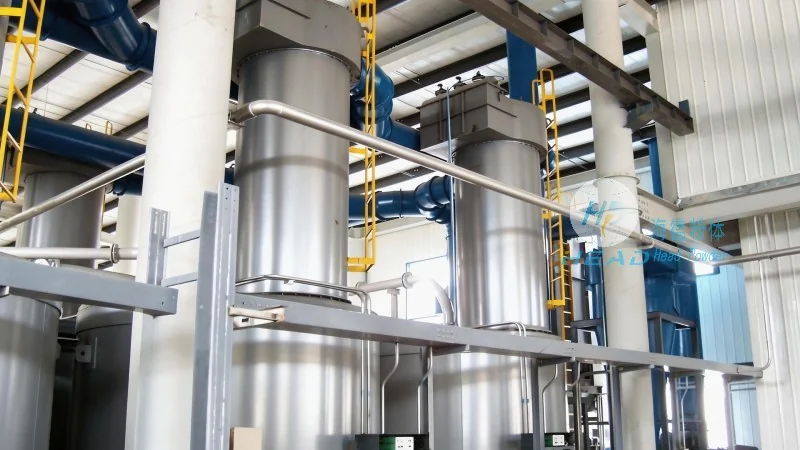
Negative Pressure Conveying Systems
Negative pressure conveying, or suction systems, works by creating a vacuum at the receiving end to draw material into the conveying line. This approach is often preferred for longer distances and when the material is to be delivered to a central processing facility. The main benefit of negative pressure systems is their lower energy consumption compared to positive pressure systems, as they rely on the vacuum created by the suction fan rather than high-pressure blowers.
Despite the energy efficiency, negative pressure systems present unique challenges. The vacuum created can lead to higher air consumption, which may require larger fans and more robust filtration systems to manage dust and particulate matter. The system is also more prone to clogging, especially with fine or sticky materials like soybean meal, as the reduced pressure can cause particles to adhere to the pipe walls. This necessitates more frequent cleaning and maintenance to prevent blockages. Additionally, the suction process can be less effective over very long distances, as the pressure drop increases with distance, potentially reducing the material's velocity and causing deposition.
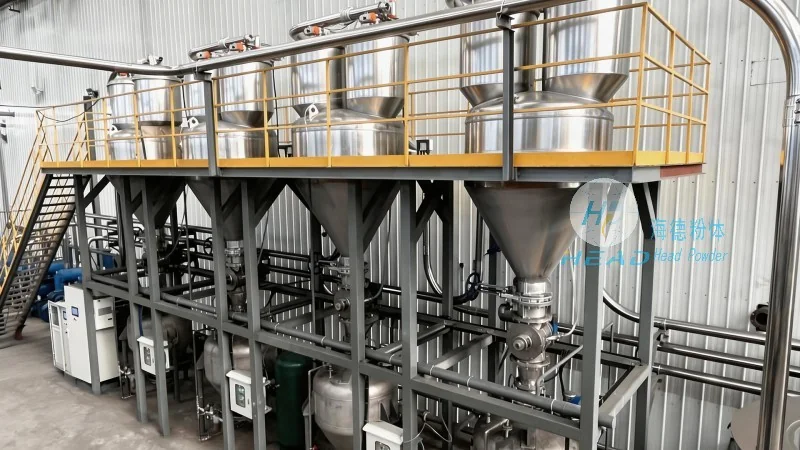
Comparative Analysis and Recommendations
When comparing negative and positive pressure conveying for soybean meal transport, several factors must be considered. For short-distance transport where high material flow rates are required, positive pressure systems may offer better performance due to their ability to handle higher pressures and volumes. Conversely, for longer distances or applications where energy efficiency is a top priority, negative pressure systems are often the more suitable choice, despite their maintenance challenges.
HeadPowder, with its expertise in material handling engineering, provides tailored solutions that consider these factors. The company’s engineering team evaluates operational requirements, distance, material characteristics, and budget constraints to recommend the optimal conveying system. By integrating advanced design and quality materials, HeadPowder ensures that both negative and positive pressure systems are built to withstand the demands of soybean meal transport, minimizing downtime and maximizing efficiency.
Conclusion
The choice between negative and positive pressure conveying in soybean meal transport is a critical decision that impacts operational efficiency and cost. Positive pressure systems excel in short-distance, high-volume applications, while negative pressure systems are better suited for longer distances and energy-conscious operations. HeadPowder, based in Shandong, China, leverages its experience to deliver customized pneumatic conveying solutions that address the specific needs of each client, ensuring reliable and efficient material transport in the agricultural and animal feed industries.