

Biological Enzyme Pneumatic Conveying Technology: Principles, Applications, and Development Trends
Biological enzyme pneumatic conveying technology represents a sophisticated method for transporting materials, particularly those sensitive to moisture or requiring precise handling. This technology integrates the principles of pneumatic conveying with biological enzyme applications, offering enhanced efficiency and adaptability in various industrial processes.
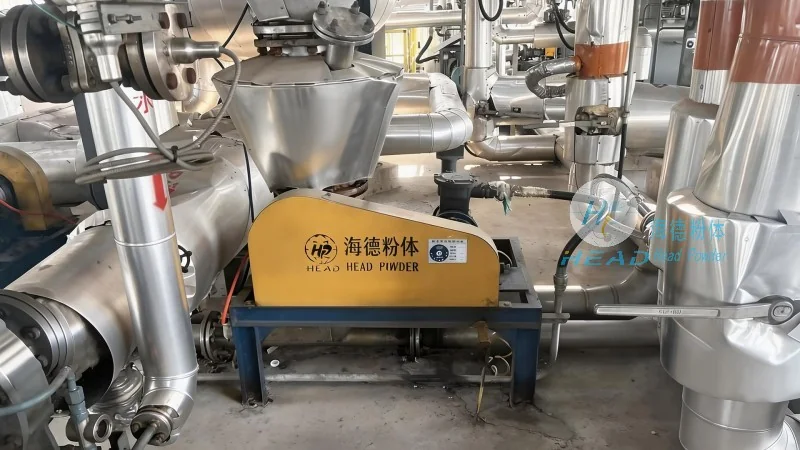
Company Introduction: HeadPowder
HeadPowder, formally known as Shandong HeadPowder Engineering Co., Ltd., is a leading enterprise based in Shandong, China. The company specializes in the research, development, and implementation of advanced material handling solutions, including innovative pneumatic conveying systems tailored for biological enzyme applications. With a strong commitment to technological innovation and customer satisfaction, HeadPowder has established itself as a trusted partner in the industry.
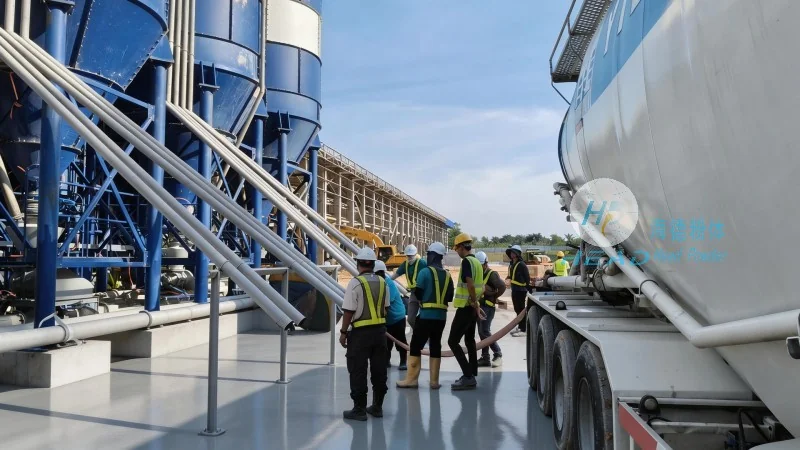
Principles of Biological Enzyme Pneumatic Conveying
The core principle of this technology involves using compressed air to transport materials through a pipeline system. In the context of biological enzymes, the system is designed to maintain optimal conditions, such as controlled temperature and humidity, to preserve the activity and stability of the enzymes. The conveying process typically involves a combination of positive and negative pressure zones, ensuring gentle handling and minimal degradation of the sensitive biological substances. Key components include air compressors, material feeders, and conveying lines, all engineered to minimize shear forces and maintain product integrity.
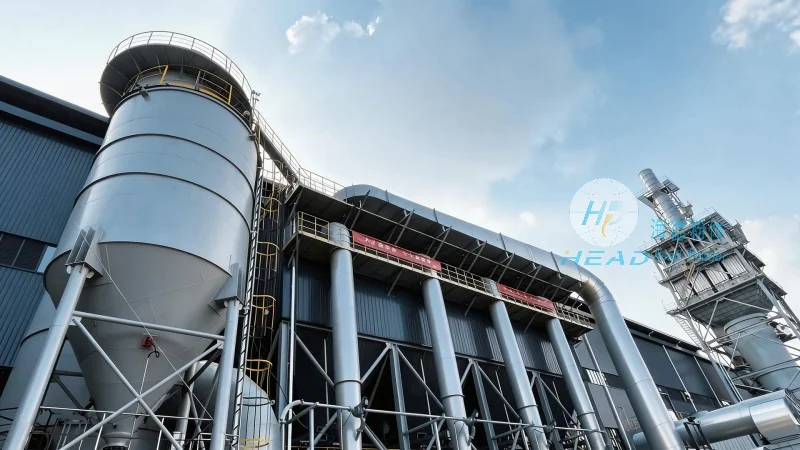
Applications in Industrial Processes
Biological enzyme pneumatic conveying technology finds extensive applications across multiple industries. In the pharmaceutical sector, it is used for the transport of enzymes used in drug manufacturing, ensuring sterile and controlled conditions. The food industry utilizes this technology for conveying enzymes involved in food processing, such as those used in dairy and baking applications. Additionally, in the chemical and biotechnology fields, the system supports the handling of enzymes used in production processes, enhancing operational efficiency and product quality. The technology's ability to handle fine powders and liquids in a single system makes it versatile for diverse industrial needs.
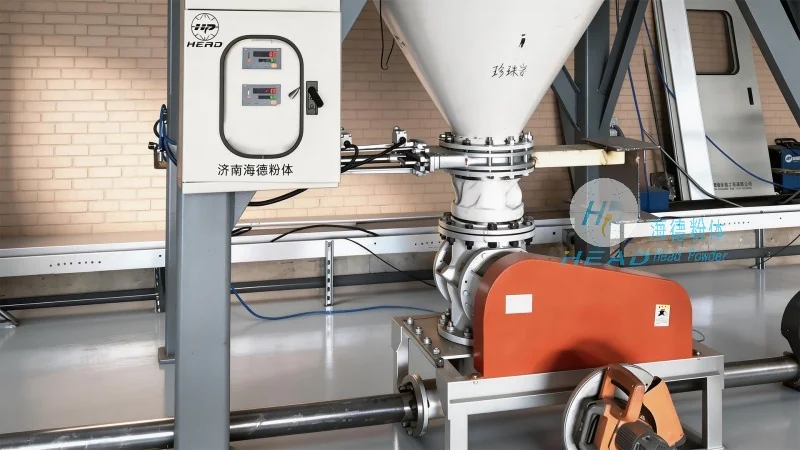
Advancements and Future Trends
As technology evolves, the field of biological enzyme pneumatic conveying continues to advance. Innovations focus on improving energy efficiency, reducing operational costs, and enhancing the precision of material handling. Advanced materials and coatings are being developed to better protect enzymes from environmental factors, extending their shelf life and effectiveness. Integration with automation and IoT technologies allows for real-time monitoring and control of the conveying process, ensuring optimal performance and minimizing downtime. The future of this technology is likely to see increased adoption in sustainable and eco-friendly industrial practices, aligning with global trends toward greener manufacturing processes.