Wheat bran, a byproduct of wheat milling, is widely used in the food, feed, and industrial sectors. Efficient and reliable conveying of wheat bran is crucial for industrial processes, and pneumatic conveying technology has emerged as a key solution for handling this material. This article explores the principles, applications, and future trends of wheat bran pneumatic conveying technology, highlighting the role of advanced engineering solutions from Shandong HeadPowder Engineering Co., Ltd.
Principles of Wheat Bran Pneumatic Conveying
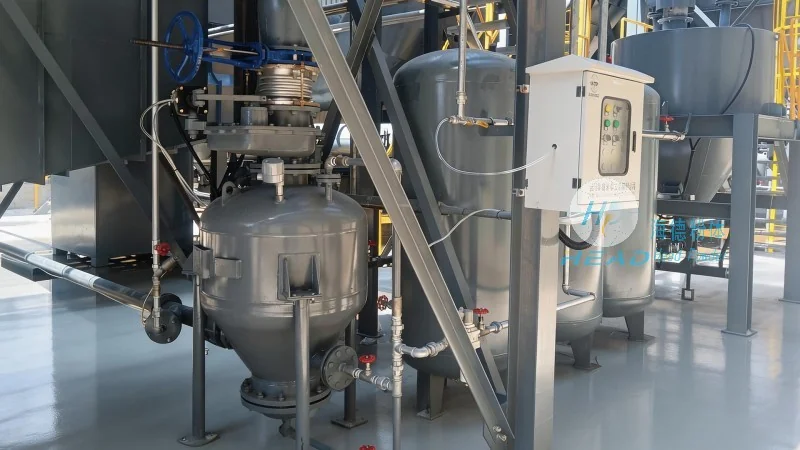
The core principle of pneumatic conveying for wheat bran involves transporting material through a pipeline using air or gas. There are two main types: dilute-phase and dense-phase conveying. Dilute-phase systems use high-velocity air to suspend the bran particles, while dense-phase systems employ lower velocities and higher air pressure to move the material in a more compact form. The choice between these systems depends on factors such as material characteristics, distance, and required flow rate. Shandong HeadPowder Engineering Co., Ltd. specializes in designing customized pneumatic conveying systems tailored to the specific needs of wheat bran handling, ensuring optimal performance and efficiency.
Applications in Industrial Processes
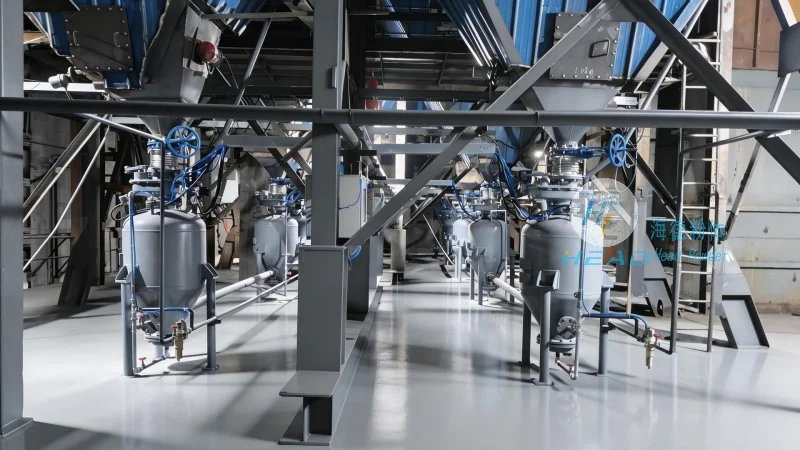
Wheat bran pneumatic conveying is widely applied in various industries. In the food industry, it is used for transporting bran to processing facilities for the production of bran-based products, such as bran flour or bran oil. In the animal feed industry, efficient conveying of wheat bran ensures consistent feed quality and reduces handling losses. Additionally, in the industrial sector, wheat bran is used as a raw material in the production of biofuels and other value-added products. The technology enables seamless integration into existing production lines, improving overall operational efficiency. Shandong HeadPowder Engineering Co., Ltd. has successfully implemented pneumatic conveying systems for numerous clients, enhancing their production capabilities and reducing operational costs.
Development Trends and Future Prospects
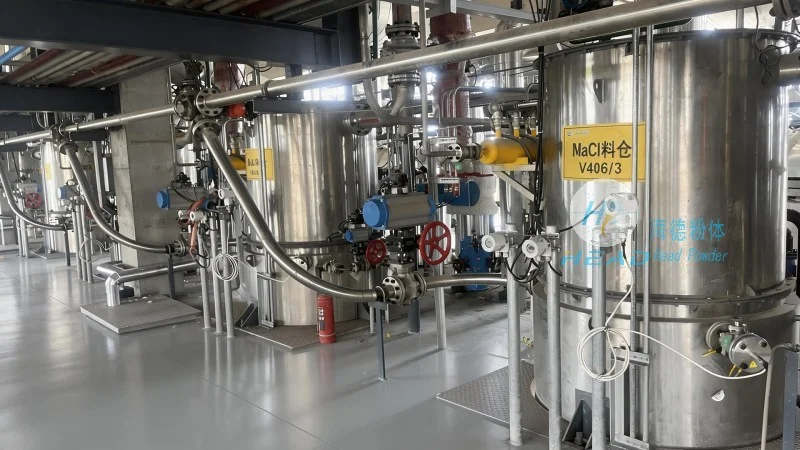
The field of wheat bran pneumatic conveying is continuously evolving, driven by technological advancements and increasing demand for sustainable and efficient material handling solutions. Key trends include the adoption of intelligent control systems, which allow for real-time monitoring and adjustment of conveying parameters. Additionally, the integration of automation and robotics in conveying systems is improving safety and reducing labor costs. Another significant trend is the development of energy-efficient conveying technologies, such as low-pressure systems and variable-speed drives, which minimize energy consumption while maintaining high material throughput. Shandong HeadPowder Engineering Co., Ltd. is at the forefront of these developments, investing in research and development to provide cutting-edge solutions that meet the evolving needs of the industry. The company's commitment to innovation ensures that its clients benefit from the latest advancements in pneumatic conveying technology, supporting their long-term growth and sustainability.




