

Choosing Between Positive Pressure and Negative Pressure for Dusty Coke Powder Conveying: How to Dis
When it comes to handling dusty coke powder, selecting the right conveying method is crucial for efficiency, safety, and operational longevity. Two primary approaches dominate the industry: positive pressure and negative pressure systems. Understanding the differences between these two methods is essential for making an informed decision that aligns with your specific operational needs. This article will explore the key distinctions between positive and negative pressure conveying systems, helping you determine which option is best suited for your dusty coke powder handling requirements.
Understanding Positive Pressure Conveying
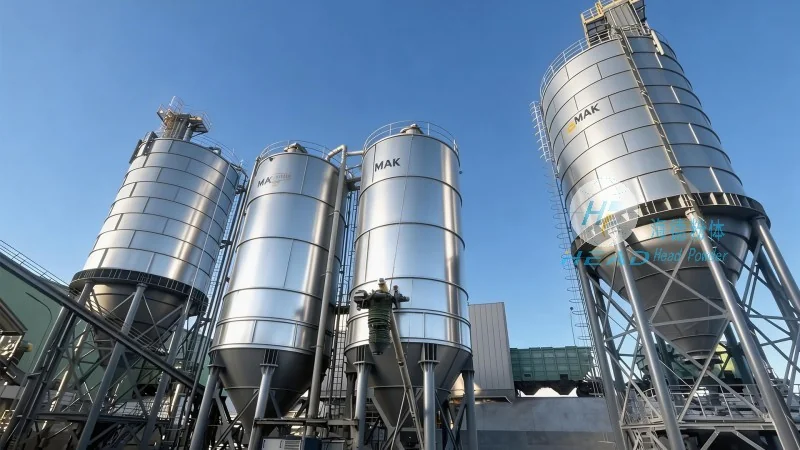
Positive pressure conveying systems operate by blowing material through a pipeline using a positive pressure source, such as a blower or fan. This method ensures that the material is pushed through the system, maintaining a positive pressure within the pipeline. The primary advantage of positive pressure systems is their ability to handle materials with high moisture content or those that are prone to caking. Additionally, positive pressure systems are generally more effective at preventing material degradation due to the enclosed environment and controlled airflow. For dusty coke powder, which can be abrasive and potentially hazardous, the enclosed nature of positive pressure systems helps minimize dust emissions and protect equipment from wear and tear.
In a positive pressure setup, the material is drawn from a hopper or storage silo and propelled through the pipeline by the pressure generated by the blower. The system typically includes components like a rotary valve, a filter, and a discharge point. The pressure maintained in the system ensures that the material moves continuously without the risk of backflow or material settling in the pipeline. This makes positive pressure systems ideal for applications where the material needs to be conveyed over long distances or through multiple bends and changes in elevation.
Understanding Negative Pressure Conveying
Negative pressure conveying, also known as vacuum conveying, operates by creating a vacuum in the pipeline to draw material from a source into the system. This method uses a vacuum pump to create a pressure lower than atmospheric pressure, which pulls the material through the pipeline. The main benefit of negative pressure systems is their ability to handle fine powders and materials that are sensitive to pressure changes. Negative pressure systems are also more energy-efficient for short-distance conveying tasks, as they require less power to operate compared to positive pressure systems.
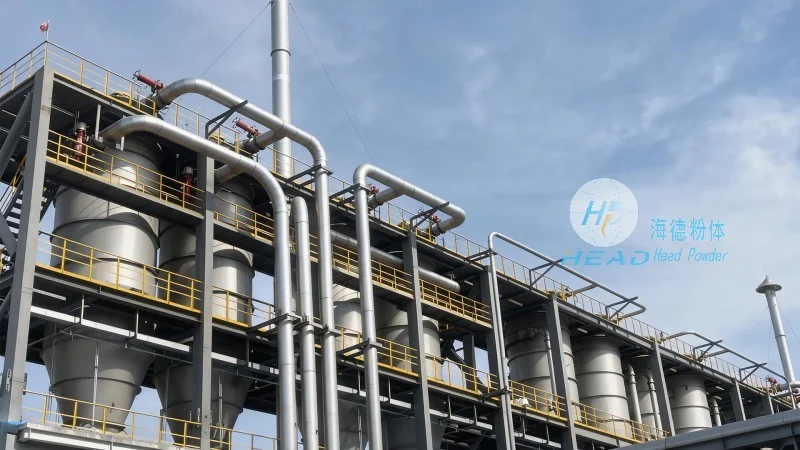
For dusty coke powder, negative pressure systems are often preferred when the material needs to be collected from a large area or when the conveying distance is relatively short. The vacuum created in the system helps to capture and transport the material without the need for high-pressure air, reducing the risk of material degradation and minimizing the risk of dust dispersion. However, negative pressure systems may not be as effective for handling materials with high moisture content or those that are prone to caking, as the vacuum can sometimes lead to material buildup in the pipeline if not properly maintained.
Distinguishing Between Positive and Negative Pressure Systems
So, how do you determine which conveying system is right for your dusty coke powder application? The key factors to consider include the material characteristics, conveying distance, and operational environment. For example, if your dusty coke powder has high moisture content or is prone to caking, a positive pressure system is likely the better choice due to its ability to maintain consistent pressure and prevent material degradation. Conversely, if you are handling fine, dry coke powder over short distances and need to minimize energy consumption, a negative pressure system may be more suitable.
Another critical factor is the risk of dust emissions and safety considerations. Positive pressure systems are generally more effective at containing dust within the system, as the enclosed environment prevents dust from escaping into the workplace. Negative pressure systems, while still effective, may require additional filtration and dust control measures to ensure compliance with safety regulations. The choice between the two systems also depends on the available space and infrastructure, as positive pressure systems may require more space for the blower and associated equipment.
HeadPowder's Expertise in Dusty Coke Powder Conveying
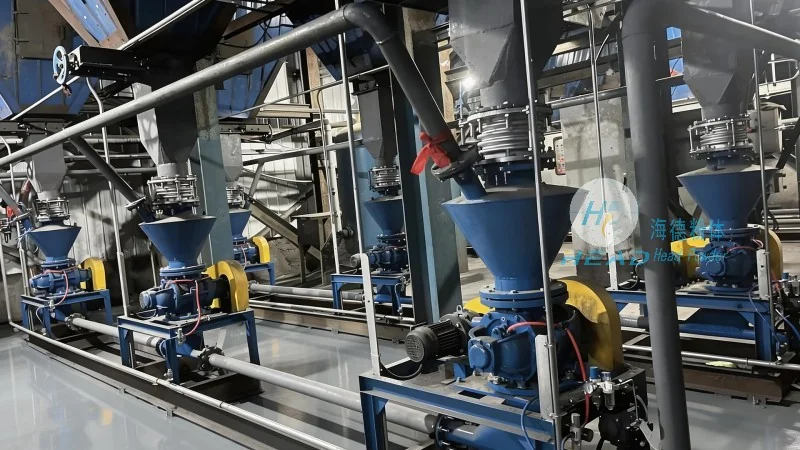
At Shandong HeadPowder Engineering Co., Ltd., we specialize in providing customized conveying solutions for dusty coke powder applications. Our team of experts has extensive experience in designing and implementing both positive and negative pressure systems tailored to the unique needs of our clients. We understand that each dusty coke powder handling operation is different, and our approach is to work closely with you to assess your specific requirements and recommend the most effective conveying system.
Our solutions are designed to ensure efficiency, safety, and reliability. We use high-quality components and materials that are resistant to wear and tear from abrasive materials like dusty coke powder. Our systems are also equipped with advanced monitoring and control features to ensure optimal performance and minimize downtime. Whether you need a positive pressure system for long-distance conveying or a negative pressure system for short-distance collection, HeadPowder can provide the expertise and equipment to meet your needs.
With our headquarters in Shandong, China, we are well-positioned to serve clients across the region and beyond. Our commitment to quality and customer satisfaction has made us a trusted partner in the coke powder handling industry. We are dedicated to providing solutions that not only meet but exceed your expectations, helping you achieve your operational goals with confidence.