When it comes to the efficient and reliable transportation of copper mine sand materials, air-powered conveying systems have emerged as a highly effective solution. These systems are designed to handle the unique challenges associated with copper ore processing, offering a robust method for moving sand-like materials from one location to another within mining and processing facilities. The following article explores the working principle and key features of such equipment, providing insights into how they operate and why they are preferred in the copper mining industry.
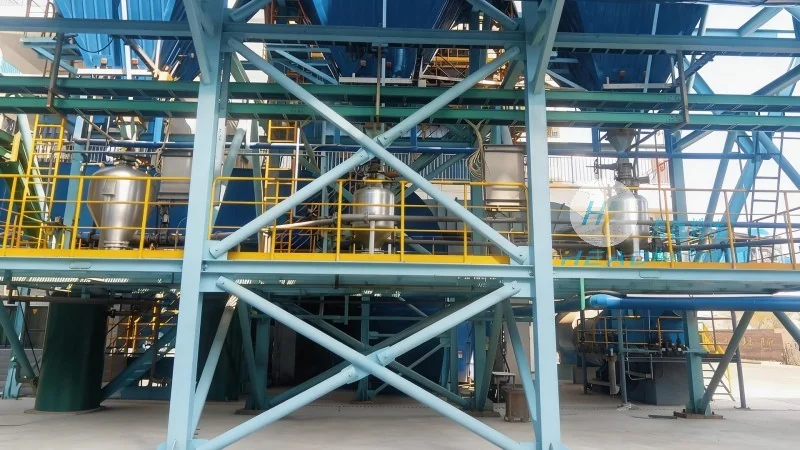
Working Principle of Air-Powered Copper Mine Sand Conveying Equipment
The core of air-powered conveying systems lies in the use of compressed air or vacuum to transport materials through a sealed pipeline. For copper mine sand, which often consists of fine to medium-sized particles, these systems utilize either positive pressure (blowing) or negative pressure (suction) methods. The positive pressure system operates by blowing air through the material, while the negative pressure system draws material into the pipeline using a vacuum. In the case of copper mine sand, a positive pressure approach is commonly employed due to its ability to handle larger particle sizes and prevent clogging, which is crucial for maintaining consistent flow rates.
The process begins with the material being fed into a hopper or feeder, where it is then introduced into the conveying line. A high-pressure fan or blower generates the necessary airflow, which propels the sand particles through the pipeline. The pipeline is typically made of durable materials like stainless steel or PVC to withstand the abrasive nature of copper mine sand and the effects of air pressure. As the material travels through the line, it is mixed with the air stream, forming a dense slurry that moves efficiently to the destination point. At the receiving end, a separator or cyclone separates the sand from the air, allowing the material to be collected in a storage bin or processing unit. The separated air is then either vented or recirculated, depending on the system design.
Key Features of Air-Powered Copper Mine Sand Conveying Equipment
Several distinct features make air-powered conveying equipment an ideal choice for copper mine sand applications. First, the system offers high efficiency in material transport, with the ability to move large volumes of sand over considerable distances without the need for mechanical components like belts or buckets. This reduces downtime and maintenance costs, which are critical factors in mining operations where productivity is paramount. Additionally, the flexibility of air-powered systems allows for easy integration into existing processing layouts, enabling the reconfiguration of material flow paths as needed without major structural changes.
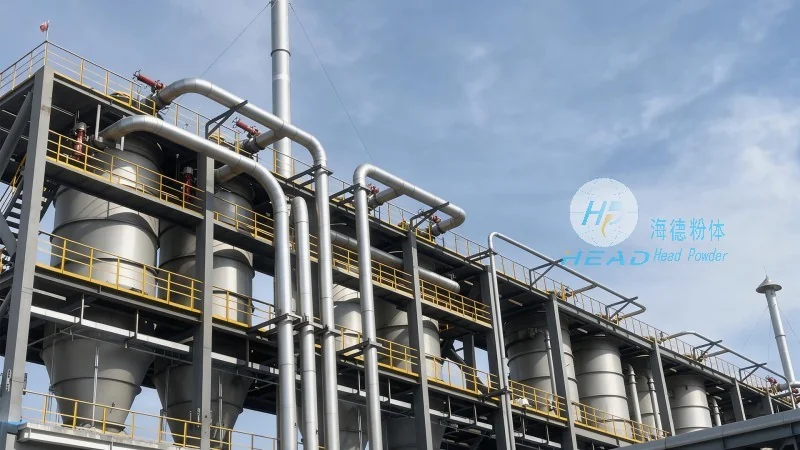
Another significant feature is the environmental friendliness of these systems. Unlike traditional mechanical conveyors, which may generate dust and noise, air-powered conveyors minimize particulate emissions by containing the material within a sealed pipeline. This not only improves workplace safety but also aligns with modern environmental regulations in the mining industry. The system also provides better control over material handling, as operators can adjust the airflow and pressure to optimize the conveying rate, ensuring that the sand is delivered at the required speed and consistency.
Furthermore, the durability and low maintenance requirements of air-powered equipment contribute to its long-term cost-effectiveness. The absence of moving parts in the conveying line reduces wear and tear, while the use of robust materials ensures that the system can withstand the harsh conditions of copper mine sand processing. This reliability is essential for continuous operation in mining facilities, where any downtime can lead to significant production losses. The system's ability to handle abrasive materials without frequent replacement of components also adds to its economic advantages.
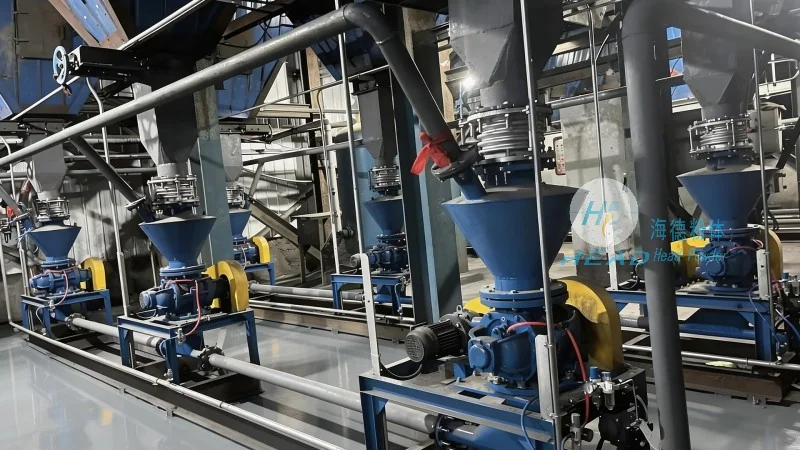
Applications and Benefits in Copper Mining Operations
Air-powered copper mine sand conveying equipment is widely used in various stages of copper ore processing, from the initial crushing and screening of raw ore to the final transport of processed sand to storage or further treatment facilities. In these applications, the equipment's ability to handle fine and medium-sized particles ensures that the material is transported without degradation, preserving the quality of the copper ore. The system's efficiency in moving large volumes of sand also supports higher throughput rates, which is crucial for meeting production targets in modern mining operations.
The benefits of using air-powered conveyors extend beyond mere material transport. They contribute to improved safety by reducing the risk of dust exposure and mechanical hazards, which are common in traditional conveyor systems. The enclosed pipeline design also minimizes the risk of material spillage, maintaining a cleaner working environment. Moreover, the flexibility of the system allows for the integration of multiple conveying lines, enabling the simultaneous transport of different materials or the routing of sand to various processing units as required by the production schedule.
Conclusion and Company Overview
As demonstrated, air-powered copper mine sand conveying equipment combines advanced technology with practical design to address the specific needs of copper mining operations. By leveraging the principles of air movement to transport materials, these systems offer high efficiency, flexibility, and environmental benefits that are essential in today's mining industry. For companies seeking reliable and cost-effective solutions for copper mine sand handling, air-powered conveying equipment from Shandong HeadPowder Engineering Co., Ltd. (headpowder) represents a leading choice. With a focus on durability and performance, the company's products are engineered to meet the demands of modern mining facilities, ensuring consistent and efficient material transport while adhering to industry standards and environmental regulations.




