For pharmaceutical manufacturers, the efficient and safe handling of granular materials is a critical aspect of production processes. Pneumatic conveying systems have emerged as a reliable solution for transporting drug particles, offering advantages in hygiene, speed, and minimal product contamination. This article explores the working principle and key features of such systems, with a focus on applications in the pharmaceutical industry.
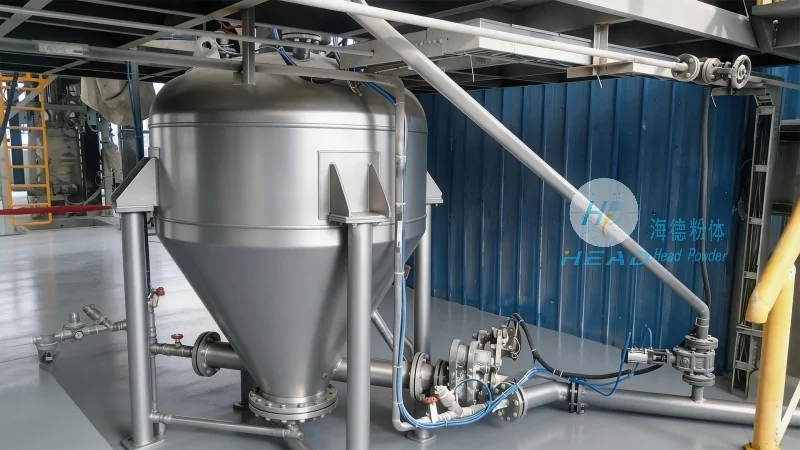
Shandong HeadPowder Engineering Co., Ltd., a leading provider in the field, specializes in designing and manufacturing advanced pneumatic conveying solutions tailored to the stringent requirements of the pharmaceutical sector. Based in Shandong, China, the company leverages years of expertise to deliver systems that meet regulatory standards and enhance operational efficiency.
The Working Principle of Pneumatic Conveying Systems
Pneumatic conveying systems operate by using compressed air or gas to transport bulk materials through a pipeline. The process typically involves several key components, including a hopper for material storage, a feeder to control the flow rate, a conveying line, and a receiver for the discharged material. The fundamental mechanism relies on the creation of a pressure differential between the inlet and outlet of the system.
When the system is activated, compressed air is introduced into the conveying line, creating a flow that draws the granular material from the hopper. The material is carried along the pipeline by the air stream, which can be either positive pressure (where air pushes the material) or negative pressure (where air pulls the material). The choice between these modes depends on factors such as material characteristics, system layout, and operational needs.
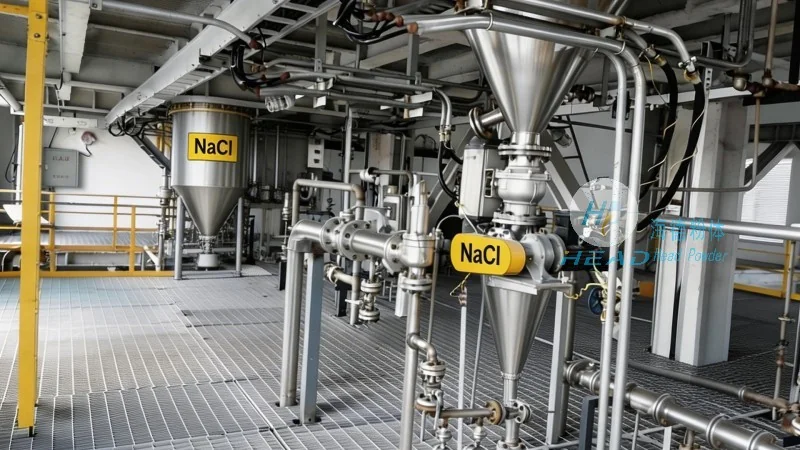
During transport, the air and material mixture moves through the pipeline, with the air providing the necessary force to overcome gravitational and frictional forces. The system may include additional components like cyclones or filters to separate the material from the air at the receiver end, ensuring that the product remains clean and free from contaminants.
Key Features of Pharmaceutical Pneumatic Conveying Systems
Pharmaceutical pneumatic conveying systems are designed with specific features to address the unique challenges of handling drug particles. These features prioritize safety, hygiene, and product integrity, which are paramount in the pharmaceutical industry.
Firstly, the systems are constructed from materials that are compatible with pharmaceutical-grade standards, such as stainless steel or specialized polymers. This ensures that the equipment does not introduce contaminants into the product, which is critical for maintaining compliance with regulatory bodies like the FDA and GMP (Good Manufacturing Practice) guidelines.
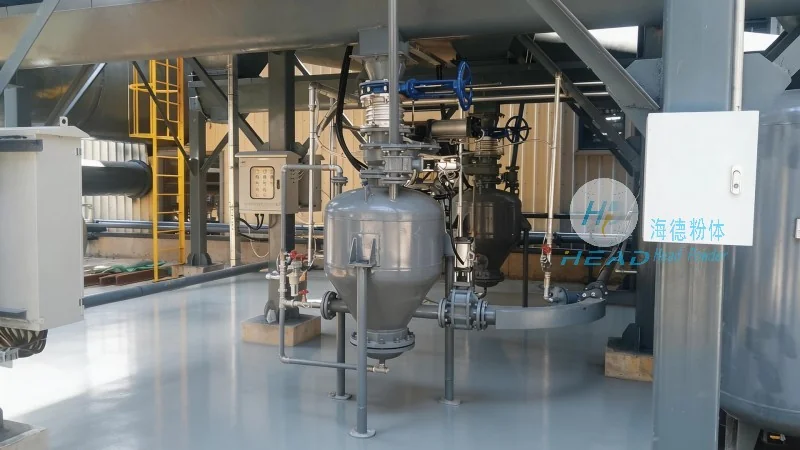
Secondly, the design incorporates features that minimize product degradation. For example, the conveying process is often performed at low velocities to prevent particle attrition or breakage, which could alter the physical properties of the drug. Additionally, the system may include temperature control mechanisms to maintain the material within a stable temperature range, avoiding issues related to moisture absorption or chemical reactions.
Thirdly, the systems are equipped with advanced control and monitoring capabilities. This includes sensors to track material flow rates, pressure levels, and air quality, ensuring that the operation remains within optimal parameters. Automated controls can adjust the air pressure or flow rate in real-time, enhancing efficiency and reducing the risk of overloading or underloading the system.
Advantages of Using Pneumatic Conveying in Pharmaceutical Manufacturing
Implementing pneumatic conveying systems in pharmaceutical production offers several advantages that contribute to overall operational excellence. These benefits extend beyond mere material transport to encompass improved safety, reduced labor costs, and enhanced product quality.
One of the primary advantages is the elimination of manual handling of granular materials. This reduces the risk of human error and exposure to potentially hazardous substances, aligning with workplace safety regulations. The automated nature of the system also minimizes the need for manual intervention, leading to consistent and reliable performance.
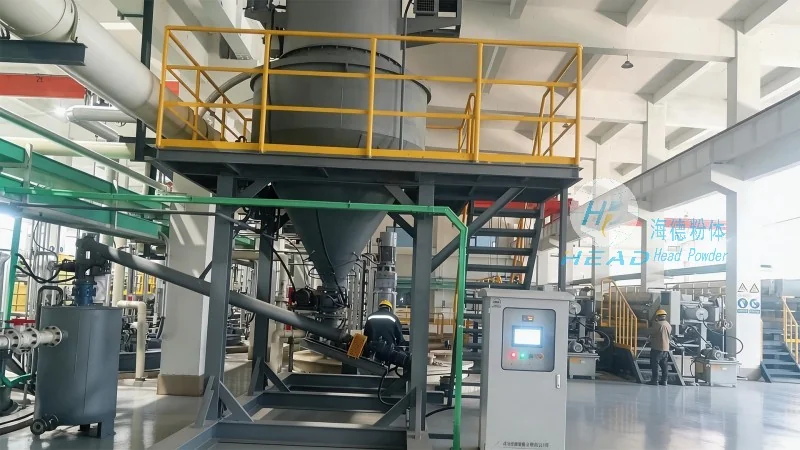
Another significant benefit is the reduction in product contamination. Unlike mechanical conveying methods, which may involve direct contact with moving parts, pneumatic systems keep the material suspended in an air stream, preventing cross-contamination between batches. This is particularly important for pharmaceutical products where even trace amounts of impurities can affect efficacy or safety.
Furthermore, pneumatic conveying systems offer flexibility in system design. They can be configured to handle various material types, from fine powders to larger granules, and can be adapted to different production layouts. This adaptability allows manufacturers to scale their operations as needed, supporting growth and expansion without significant infrastructure changes.
Conclusion
Pharmaceutical pneumatic conveying systems represent a sophisticated and effective solution for the transport of drug particles. By understanding the working principle and leveraging the key features of these systems, manufacturers can enhance their production processes while maintaining the highest standards of safety and quality. Shandong HeadPowder Engineering Co., Ltd. continues to lead in the development of such advanced systems, providing pharmaceutical companies with reliable and efficient solutions that meet both current and future industry demands.




