

Working Principle and Features of Mineral Granular Material Pneumatic Conveying Lines
Mineral granular material pneumatic conveying lines represent a sophisticated and efficient method for transporting bulk materials in industrial settings. These systems are widely used across sectors such as mining, chemical processing, food processing, and pharmaceuticals, where the handling of fine or abrasive materials requires a reliable and contamination-free solution. The technology leverages the power of compressed air to move materials through a sealed pipeline, offering a flexible and adaptable approach to material handling that can be integrated into existing production lines or used as a standalone system. By eliminating the need for mechanical components like belts, buckets, or screw conveyors, pneumatic conveying lines provide a cleaner, more hygienic, and often more cost-effective alternative for moving materials from source to destination.
The Working Principle of Pneumatic Conveying Systems
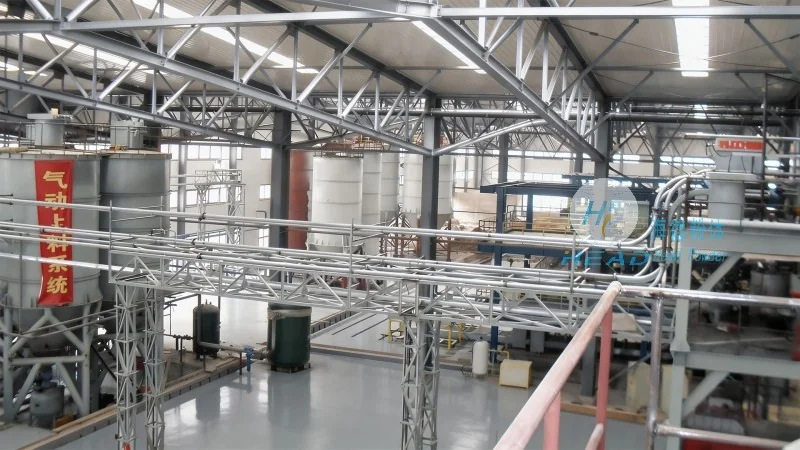
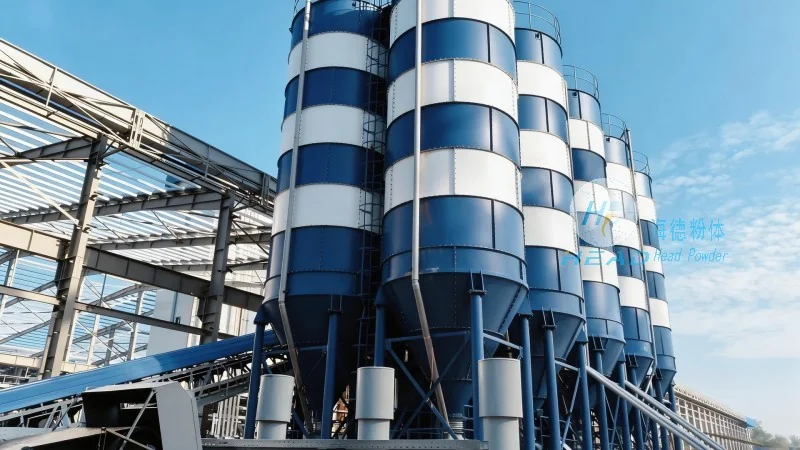
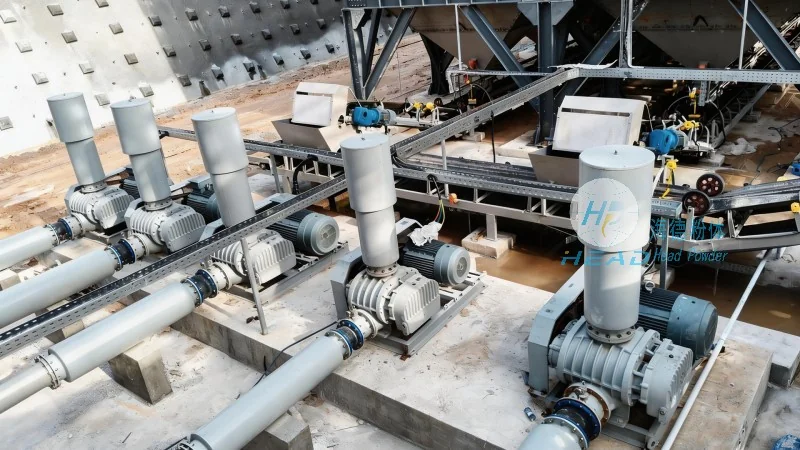
The fundamental working principle of mineral granular material pneumatic conveying lines is centered on the generation of airflow within a pipeline to transport the material. The system typically comprises several key components: a material hopper or feeder, a blower or air compressor, a pipeline network, and a receiver or discharge unit. The process begins when the material is fed from the hopper into the pipeline. Simultaneously, the blower generates compressed air, which is introduced into the pipeline at a controlled pressure and velocity. The air flow creates a drag force that lifts and propels the material particles forward. The velocity of the air is critical; it must be sufficient to overcome the gravitational force acting on the material and maintain the material in a suspended state within the pipeline. This suspended state ensures that the material moves smoothly without settling or clogging the pipeline. The system can operate under positive pressure (where air is forced into the system) or negative pressure (where air is drawn out), with the choice depending on factors such as material properties, system layout, and environmental considerations. Positive pressure systems are often preferred for long-distance or multi-point delivery, as they can maintain consistent air pressure and prevent material backflow. Negative pressure systems, on the other hand, are suitable for applications where dust control is a priority, as they draw air and material from the source and discharge them at a lower pressure.
Key Features and Advantages of Pneumatic Conveying Systems
Mineral granular material pneumatic conveying lines are distinguished by several key features and advantages that enhance their performance and applicability. One of the most significant advantages is the ability to handle a broad spectrum of materials, including fine powders, granules, and even highly abrasive or corrosive substances. Unlike mechanical conveyors, which may suffer from wear and tear or material buildup, pneumatic systems are less susceptible to damage from such materials, as the material is isolated within the pipeline. The system also offers excellent control over material flow, allowing for precise regulation of the conveying rate and dosing. This control is particularly valuable in processes that require accurate material measurement or batching, such as in pharmaceutical or food production. Another notable feature is the flexibility of the system. Pneumatic conveying lines can be easily reconfigured or expanded to accommodate changes in production volume or material types. For example, additional branches or receivers can be added to the pipeline network without major modifications, making the system adaptable to evolving business needs. The enclosed nature of the pipeline also provides a high level of contamination control, as the material is protected from external contaminants and cross-contamination. This is especially important in industries where product purity is critical, such as in food, pharmaceuticals, or electronics manufacturing. Furthermore, pneumatic conveying systems typically require less maintenance compared to mechanical conveyors. With fewer moving parts and reduced wear from abrasion, the systems have a longer operational life and lower downtime. The absence of mechanical components also minimizes the risk of material spillage or leakage, contributing to a cleaner and safer working environment. Additionally, the integration of pneumatic conveying lines with other processing equipment, such as mixers, classifiers, or storage silos, can create a seamless material handling workflow, improving overall operational efficiency and reducing labor costs.