HeadPowder, a leading provider of industrial material handling solutions, specializes in designing and manufacturing efficient pneumatic conveying systems for various bulk materials, including ferrous sulfate. This article explores the fundamental working principles and key characteristics of a ferrous sulfate material pneumatic conveying line, highlighting how such systems enhance operational efficiency and reliability in industrial applications.
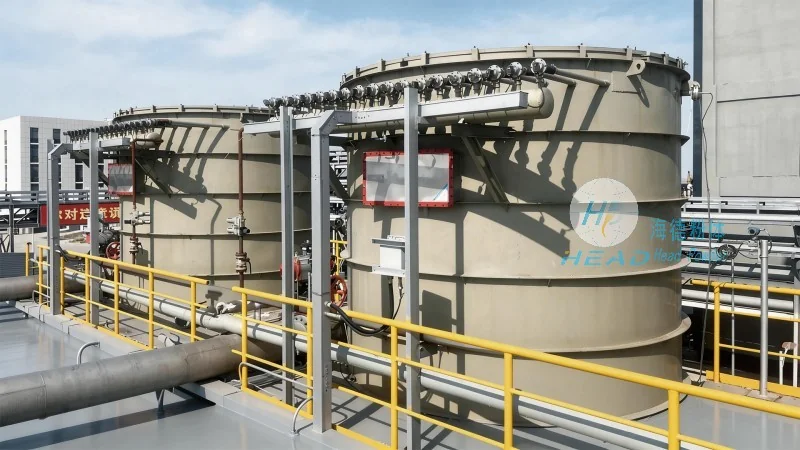
Working Principle of the Ferrous Sulfate Pneumatic Conveying Line
The core mechanism of a pneumatic conveying system for ferrous sulfate involves the use of compressed air to transport the material from a source to a destination. The process typically begins with the material being fed into a hopper or storage silo. From there, the material is drawn into a conveying pipeline by the pressure differential created by the compressed air. The air, often mixed with the material in a specific ratio, propels the ferrous sulfate particles through the system. Key components include the air compressor, which generates the necessary pressure, the feed device (such as a rotary valve or screw feeder) that controls the material flow, and the conveying line itself, which may consist of straight or curved sections to navigate the system layout. The system ensures a continuous and controlled flow of ferrous sulfate, minimizing material degradation and ensuring consistent delivery to the target location.
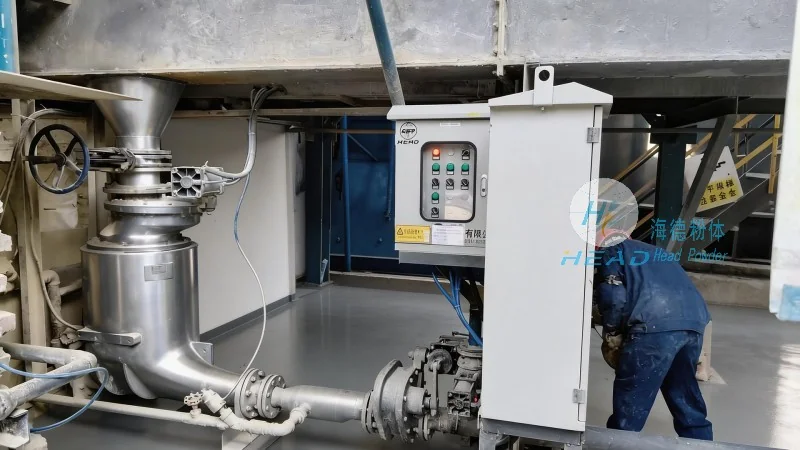
Key Features and Advantages of the Ferrous Sulfate Pneumatic Conveying Line
HeadPowder's ferrous sulfate pneumatic conveying lines are engineered with several distinctive features that set them apart in the industry. Firstly, the system offers high efficiency in material transport, capable of moving large volumes of ferrous sulfate with minimal labor and energy consumption. The enclosed design of the conveying line prevents dust emissions and contamination, ensuring compliance with environmental regulations and maintaining a clean working environment. Additionally, the system's flexibility allows for easy integration with existing industrial setups, adapting to various plant layouts and production requirements. Another notable feature is the ability to handle different particle sizes and moisture contents of ferrous sulfate, making it suitable for diverse applications. The robust construction of the components, including the air compressor and conveying pipelines, ensures long-term durability and low maintenance costs, contributing to overall operational cost savings. Furthermore, the system provides precise control over the material flow rate, enabling accurate dosing and processing in downstream operations.
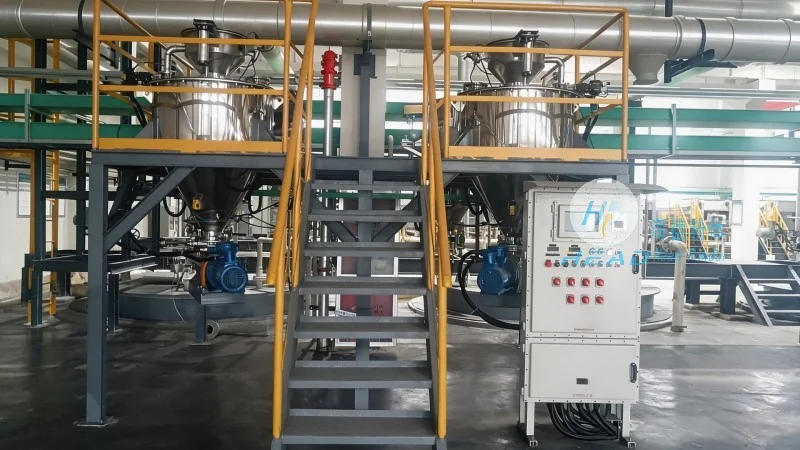
Application Scenarios and Operational Benefits
The ferrous sulfate pneumatic conveying line from HeadPowder is widely used in various industrial sectors, including chemical manufacturing, water treatment, and pharmaceutical production. In chemical plants, it efficiently transports ferrous sulfate to reactors and storage tanks, ensuring smooth production workflows. In water treatment facilities, the system delivers ferrous sulfate for coagulation and flocculation processes, contributing to effective water purification. The operational benefits of this system include reduced downtime due to fewer mechanical failures, lower labor costs from automated material handling, and improved product quality through minimized material exposure to air and moisture. These advantages make the pneumatic conveying line an ideal choice for industries requiring reliable and efficient bulk material transport solutions.
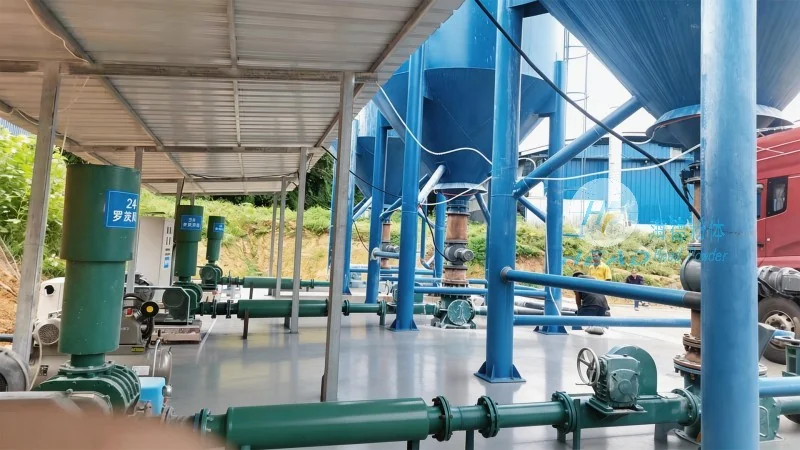
Technical Specifications and Customization Options
HeadPowder provides customized ferrous sulfate pneumatic conveying systems tailored to specific customer requirements. Technical specifications may vary based on the volume of ferrous sulfate to be transported, the distance between the source and destination, and the desired flow rate. Common specifications include air pressure ranges (typically from 0.5 to 1.0 MPa), conveying line diameters (ranging from 50 to 200 mm), and material feed rates (up to several tons per hour). The company offers flexible design options, such as vertical or horizontal conveying configurations, and can integrate additional components like dust collectors or filtration systems to meet specific environmental and safety standards. Customization ensures that the system aligns with the client's operational needs, optimizing performance and cost-effectiveness.




